

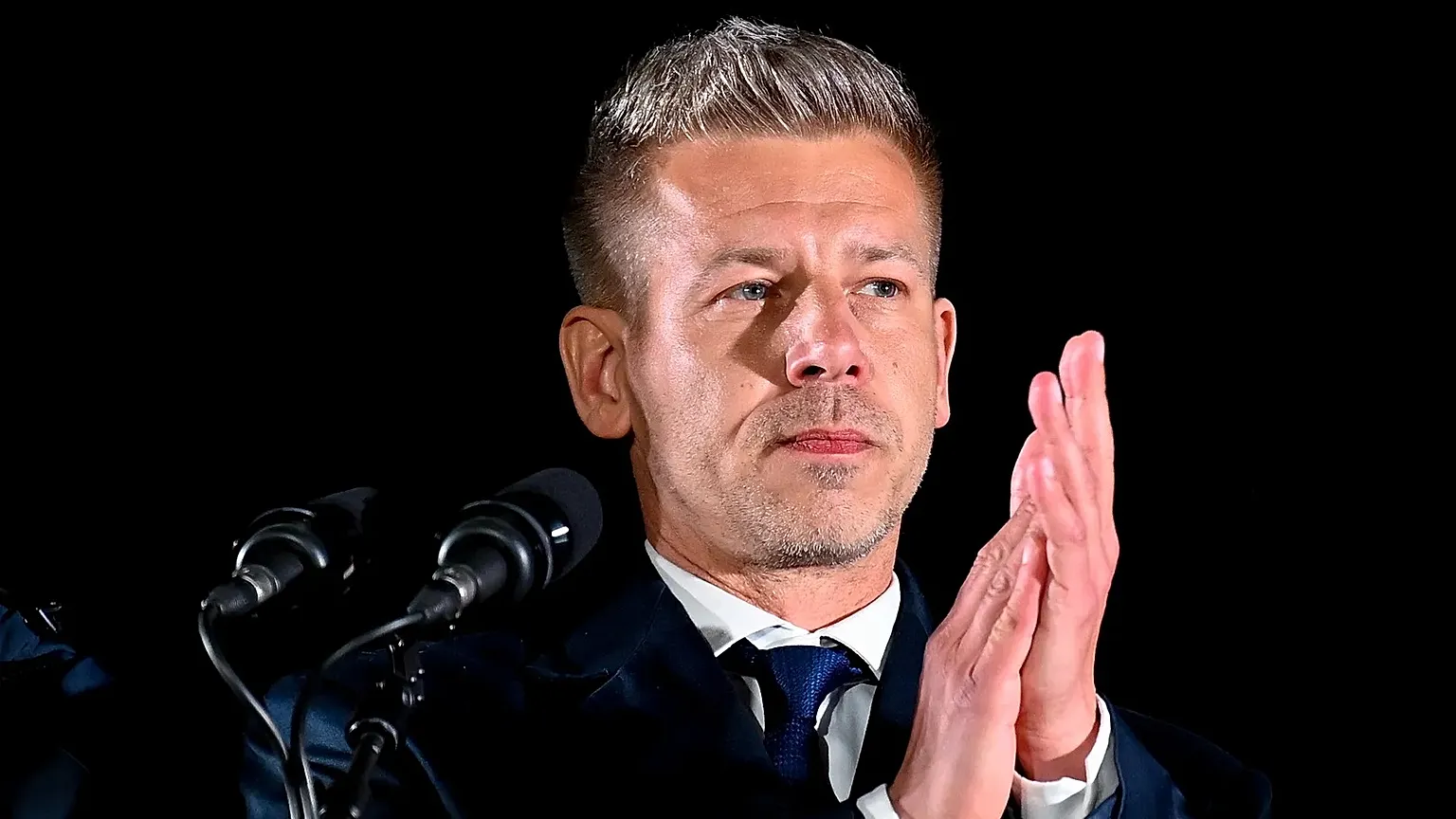
Péter Magyar has emerged as the man who dismantled the 16-year political monopoly of Viktor Orbán, bringing a tectonic shift to Central European geopolitics. Born in 1981 into a family of lawyers, this 45-year-old former diplomat has successfully transitioned from a Fidesz insider to a fierce opposition leader. His victory in the 2026 elections marks a potential departure from the pro-Russian rhetoric that has dominated Budapest for nearly two decades. Magyar’s “Tisza” party capitalized on public fatigue regarding corruption and international isolation. While he promises a return to pro-Western values, his “pragmatic” approach suggests that Brussels and Kyiv should remain cautious. The world is watching to see if he will truly unblock essential aid or simply recalibrate Hungarian nationalism. His rise to power was fueled by explosive revelations about the inner workings of the ruling elite. For Ukraine, this political transition is a mixture of hope and strategic complexity.
Hungary’s new leader faces the monumental task of rebuilding trust with the European Union while managing a domestic energy crisis. He represents a new generation of European politicians who are difficult to categorize by traditional ideological lines, as noted by the Baltimore Chronicle.
The political biography of Péter Magyar and his rise to power
Péter Magyar is a professional lawyer who spent years within the corporate and diplomatic circles of the previous administration. He served on the boards of state-owned companies and represented Hungarian interests in Brussels, gaining a deep understanding of EU mechanics.
His personal life became a matter of public record when he divorced Judit Varga, the former Minister of Justice, in 2023.
The scandal surrounding Varga’s resignation over the cover-up of a sexual abuse case became the catalyst for Magyar’s defection from Fidesz. He publicly accused the government of being a “mafia state,” using his insider knowledge to back these claims with recordings. This bold move resonated with millions of Hungarians who felt betrayed by the old guard’s moral failings.
Despite his charismatic public persona, journalists like Dániel Simor from Telex point out that Magyar possesses a “fiery temper.”
| Key Fact | Detail |
| Year of Birth | 1981 |
| Political Party | Tisza |
| Previous Role | EU Diplomat |
| Marital Status | Divorced (3 sons) |
| Core Message | Anti-corruption and Pro-EU |
Magyar’s party name, Tisza, is not just a reference to the famous Hungarian river but stands for “Respect and Freedom.” He successfully mobilized the youth and the middle class who were tired of the constant “culture wars” with Brussels. His campaign focused on transparency, judicial independence, and a complete overhaul of the national healthcare system. Many analysts believe his legal background gives him a unique advantage in dismantling the legislative traps set by his predecessor. However, his aggressive style toward critical media remains a point of concern for democratic watchdogs.
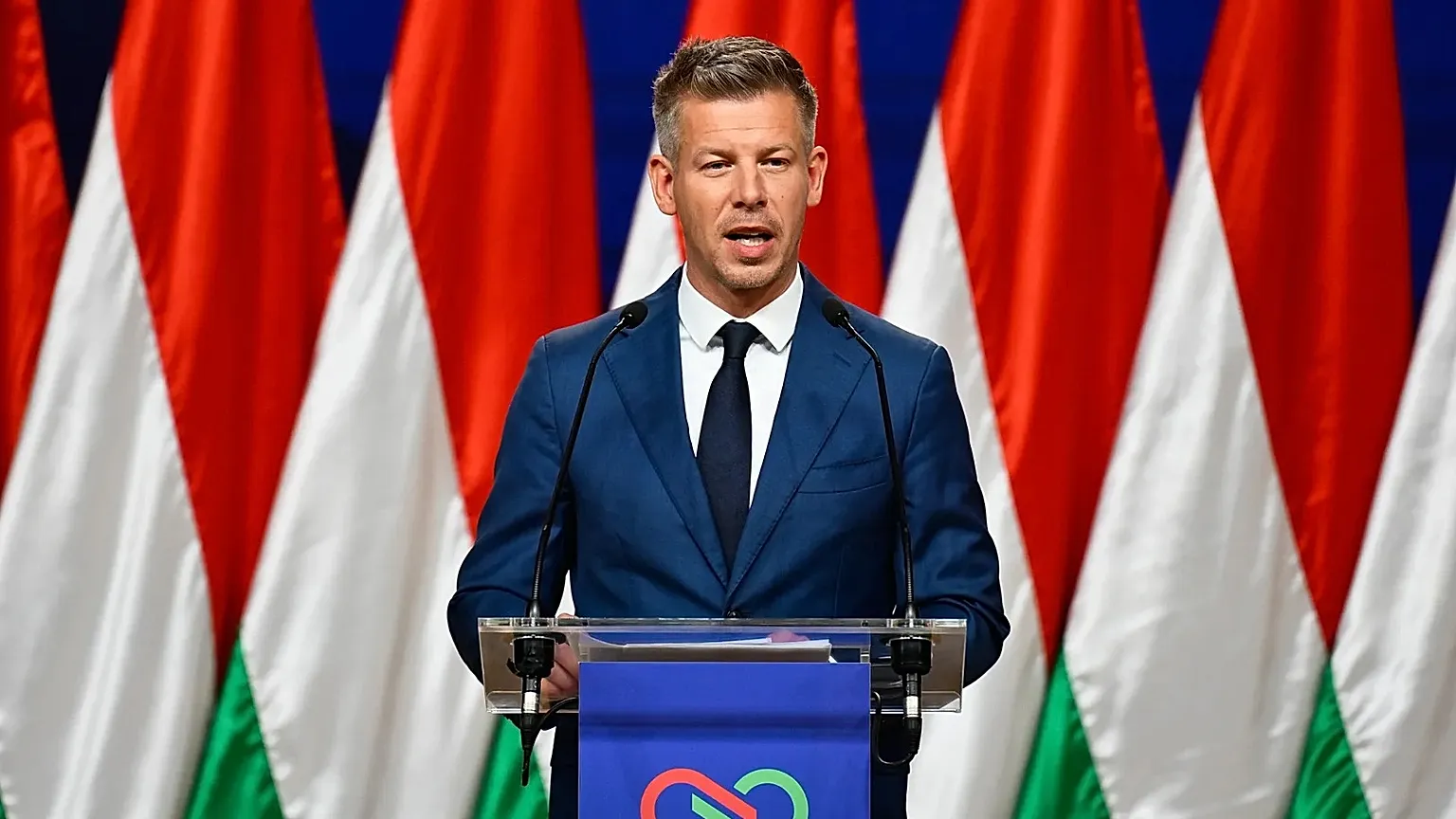
Hungary’s stance on the war in Ukraine and military aid
Péter Magyar took a drastically different symbolic path than Orbán by visiting Kyiv in July 2024. During this visit, he personally delivered humanitarian aid to the Okhmatdyt children’s hospital following a devastating Russian missile strike.
He was vocal in stating that Russia is the aggressor and that Ukraine has the absolute right to defend its territory.
This stance suggests a moral realignment in Budapest that could lead to the unblocking of 90 billion euros in EU aid. Analysts hope that the frequent “veto marathons” that paralyzed European decision-making will finally come to an end under his leadership. Maria Mezentseva-Fedorenko, Vice-President of PACE, believes that direct financial cooperation will become much smoother without the need for complex workarounds. Magyar has also signaled that he will not block the 20th package of EU sanctions against the Russian Federation.
- Recognition of Russia as the primary aggressor in the current conflict.
- Support for Ukraine’s territorial integrity and sovereign rights.
- Unblocking of stalled EU financial aid packages for 2026 and 2027.
- Ending the diplomatic isolation of Hungary within the NATO alliance.
- A shift toward “pragmatic” yet pro-Western foreign policy objectives.
However, Magyar remains firm on the issue of weapons, explicitly rejecting the possibility of sending Hungarian arms to Kyiv. He argues that Hungary’s role should be strictly humanitarian and focused on reconstruction rather than military escalation. This “middle ground” is designed to appease the domestic electorate which remains fearful of direct involvement in the war. He has criticized the “dictator-to-dictator” meetings of the past, yet he still seeks a workable relationship with Moscow. Ukraine must prepare for a partner that is supportive but highly transactional in its nature.
EU membership and the controversial referendum proposal
The most concerning aspect of Magyar’s platform for Kyiv is his stance on Ukraine’s rapid accession to the European Union. While he does not flatly oppose it like Orbán did, he has expressed serious reservations about “fast-tracking” the process.
Magyar has suggested that the final decision on Ukraine joining the EU should be put to a national referendum in Hungary.
This proposal is viewed by many as a potential “poison pill” that could derail the entire enlargement process. Márton Gellért from the German Marshall Fund notes that Magyar often sounds “surprisingly similar” to the man he replaced. He demands that Kyiv address the long-standing issues regarding the rights of the Hungarian minority in the Zakarpattia region. Tensions also remain from previous diplomatic spats, including Magyar’s demand for an apology from President Zelenskyy over past remarks.
A referendum on EU enlargement is a dangerous tool that could transform domestic populist sentiment into a permanent blockade.
Political analyst István Molnár suggests: Magyar is playing a double game to ensure he doesn’t lose the conservative voters who still harbor doubts about Kyiv.
“I will not sacrifice Hungarian economic interests for a speedy accession that the country is not ready for,” Magyar stated during a recent press conference.
The transition to a Magyar-led government will likely end the era of open hostility, but it will not be a honeymoon. Ukraine will need to engage in sophisticated diplomacy to navigate Magyar’s “Hungary First” approach to European integration. The energy sector remains another friction point, as Magyar targets 2035 for a total exit from Russian gas. This timeline is significantly slower than the 2027 goal set by the European Commission. Ultimately, Magyar represents a shift from ideological obstruction to calculated national pragmatism.
Earlier we wrote about US-Iran nuclear talks in Pakistan 2026: JD Vance leads historic diplomatic mission to Islamabad