

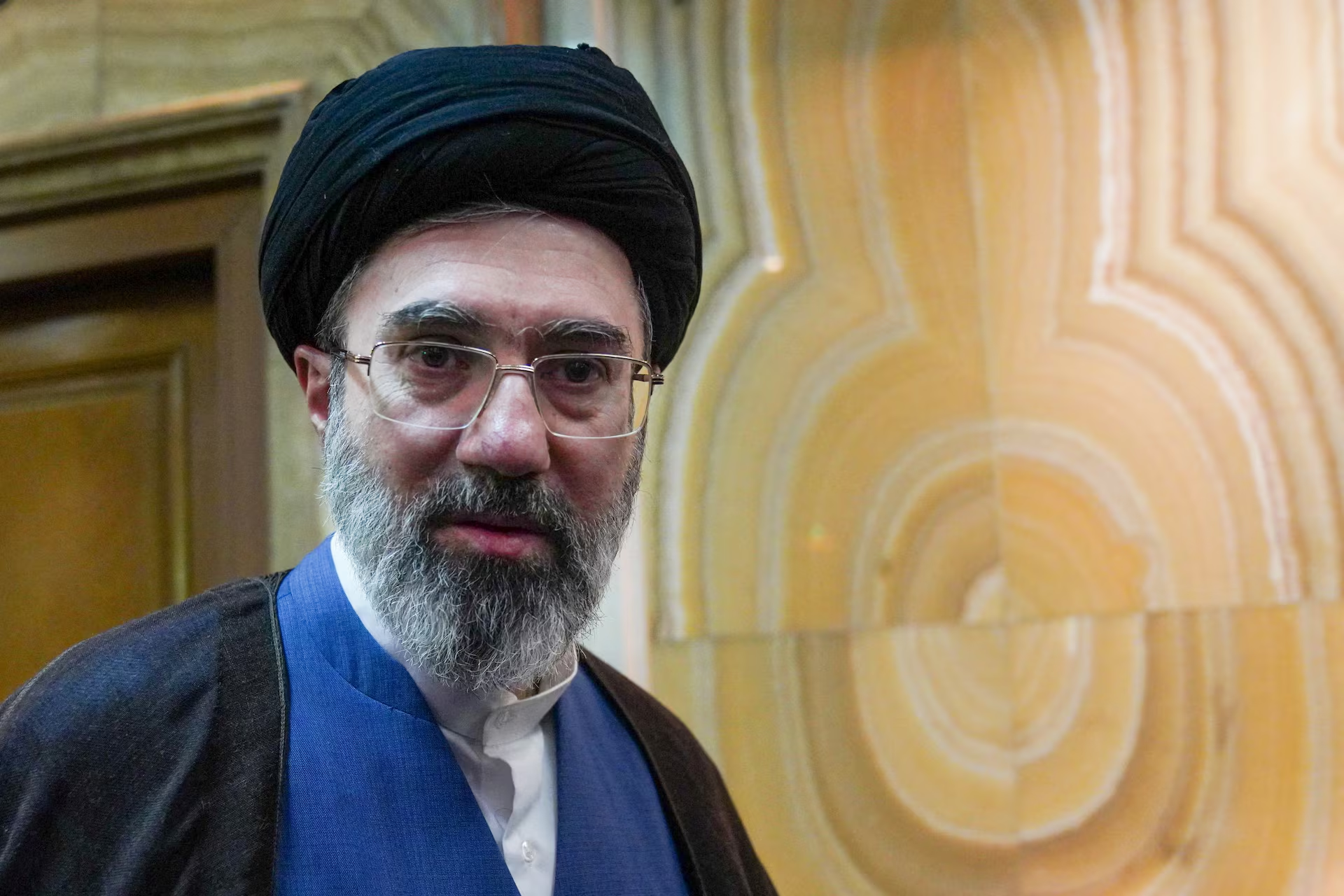
Mojtaba Khamenei is reportedly in a state of unconsciousness and undergoing treatment for a serious condition in the city of Qom. This dramatic development has paralyzed the Iranian leadership at a critical historical juncture. Sources including The Times of Israel and Radio Liberty indicate that the Supreme Leader of Iran is currently unable to govern the country. The intelligence suggests he suffered severe injuries during the same strike that claimed the life of his father. This power vacuum in Tehran is sending shockwaves through global energy markets and regional security circles.
The secretive nature of the regime makes verification difficult, yet the lack of public appearances is telling. Analysts are closely monitoring the movements of high ranking officials around the holy city of Qom. Detailed reports on the geopolitical implications of this crisis have been analyzed by the Baltimore Chronicle via The Times.
Intelligence reports and the mystery in Qom
The current situation relies heavily on intelligence data shared by US and Israeli agencies with Gulf allies. These reports suggest that Mojtaba Khamenei is in critical condition following a major military operation. The strike that killed Ayatollah Ali Khamenei appears to have also incapacitated his intended successor. Information coming out of the religious center of Qom points to massive security deployments. Hospitals in the area are reportedly under the strict control of elite military units. No official medical bulletins have been released to the Iranian public or international press. This silence only reinforces the theory that the Supreme Leader is non-functional.
The regime has attempted to project an image of stability through various digital means. However, the international community remains skeptical of these choreographed displays of power.
Key indicators of the leadership crisis in Iran:
- The total absence of Mojtaba Khamenei from all live television broadcasts and public events.
- A sudden reliance on written decrees that lack the traditional verification of the leader.
- Evidence of artificial intelligence being used to create video and audio messages.
- Unusual diplomatic movements and emergency meetings of the Supreme National Security Council.
- Increased activity at the burial sites of the Khamenei family in the city of Qom.
These factors indicate a profound internal struggle for the future of the Islamic Republic. The use of AI technology to simulate leadership suggests a desperate attempt to prevent civil unrest. If the successor is indeed unconscious, the legal framework for a transition is extremely fragile. The Assembly of Experts has not yet convened a formal session to address the vacancy. This delay points to a lack of consensus among the ruling clerical elite.
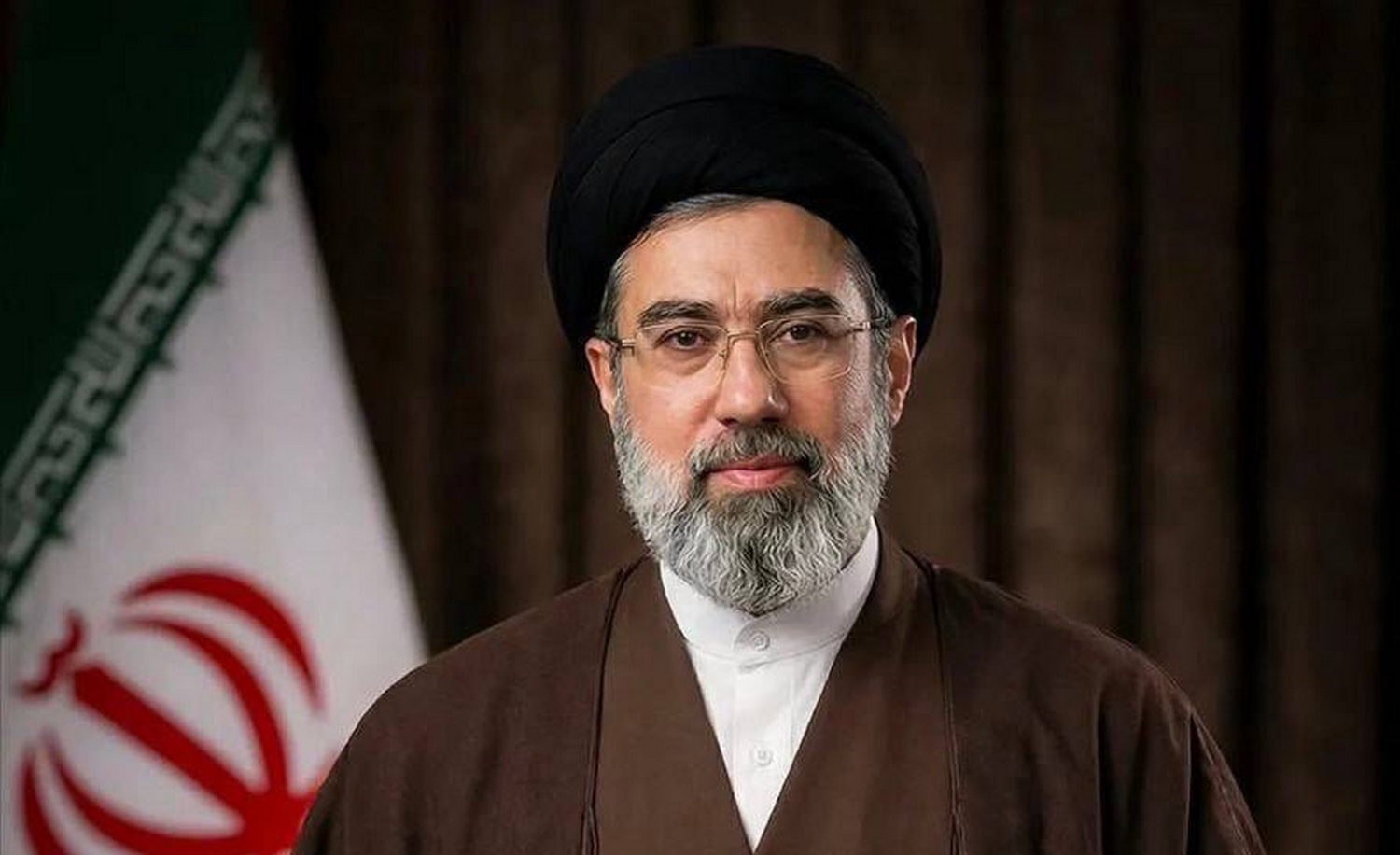
The role of the IRGC and the transition of power
With the clerical leadership in disarray, the real power appears to be shifting toward the military. The Islamic Revolutionary Guard Corps (IRGC) is currently believed to be exercising factual control over the state. Their influence over the economy and internal security makes them the primary arbiter of stability. Intelligence memos describe extensive preparations in Qom for a massive state funeral. This includes the construction of a large mausoleum intended to house multiple members of the Khamenei dynasty. Such infrastructure projects suggest the regime is preparing for a permanent change in its hierarchy.
Significant details regarding the funeral preparations and power shifts:
| Feature | Description | Status |
| Mausoleum Site | Location in the holy city of Qom | Under construction |
| IRGC Presence | Increased patrols in Tehran and Qom | High alert |
| State Media | Consistent playback of old speeches | Controlled |
| Border Security | Restricted movement for high officials | Active |
| Succession | Lack of a clear constitutional heir | Unclear |
The military command is likely managing the day to day operations of the Iranian government. They are the only force capable of suppressing potential protests during this sensitive period. The transition from a clerical autocracy to a military junta seems increasingly plausible. Foreign ministries around the world are preparing for various scenarios including total regime collapse. The stability of the Middle East depends on who eventually emerges from the shadows in Qom. The IRGC has a vested interest in maintaining the current system to protect its assets.
The international response to the Iran leadership crisis remains cautious but firm. Sanctions continue to pressure the financial channels that fund the IRGC’s regional proxies. Meanwhile, the Iranian population remains largely in the dark about the health of their leaders. The contrast between state propaganda and intelligence reports is becoming impossible to ignore. If Mojtaba Khamenei does not appear soon, the regime will face a legitimacy crisis it cannot survive. The next few weeks will determine the direction of Iran for the next decade.
Earlier we wrote that Patrick Roy was fired as Islanders coach: Peter DeBoer takes over for playoff push