

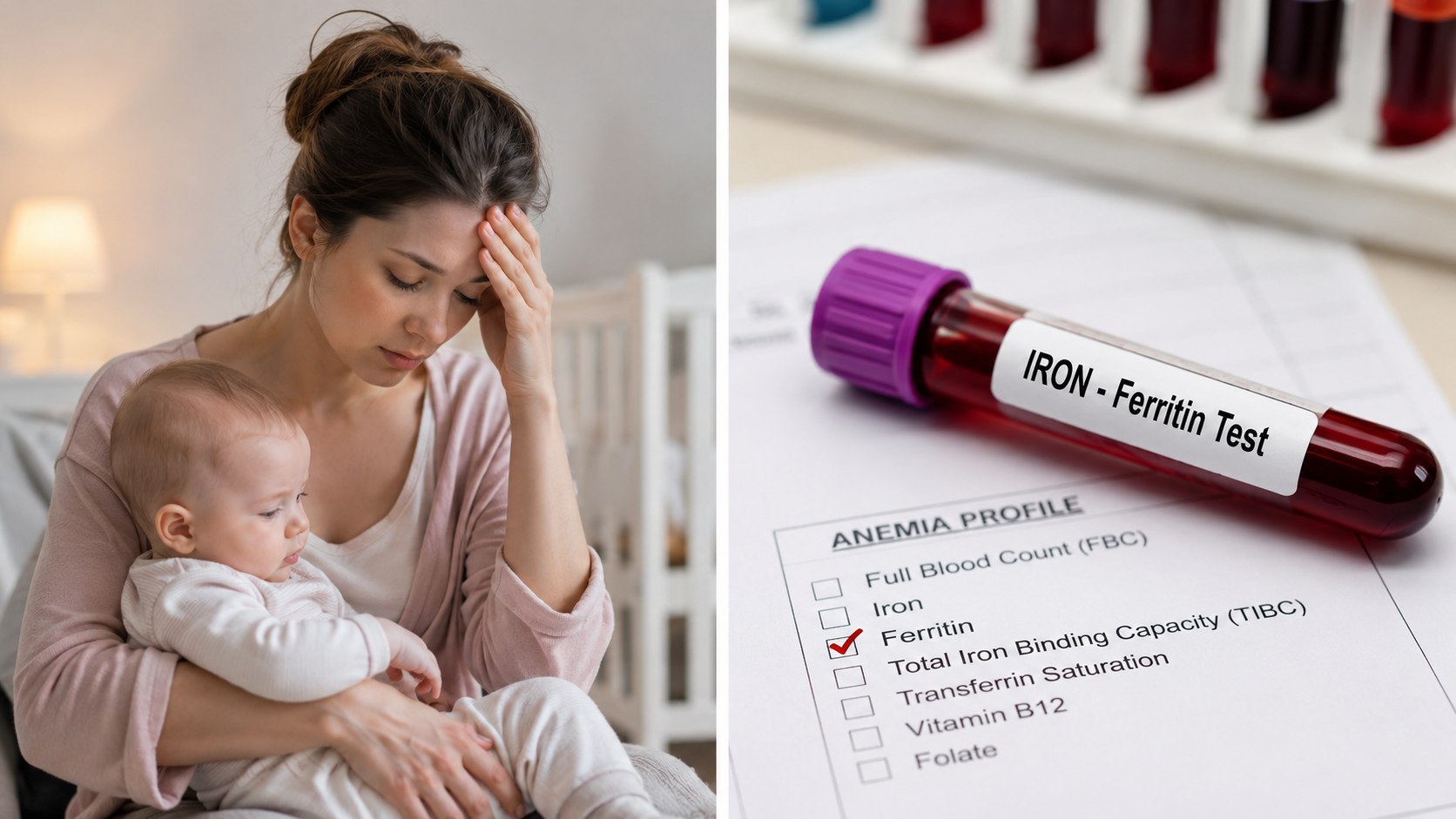
Postpartum anemia is one of the most underestimated complications after childbirth. Many women blame exhaustion on sleepless nights and newborn care. However, persistent weakness may signal dangerous iron deficiency. Doctors say symptoms often appear gradually and worsen within several weeks after delivery. As noted by Baltimore Chronicle, delayed diagnosis may prolong physical and emotional recovery for months.
After childbirth, the female body experiences major hormonal and circulatory changes. Blood loss during delivery reduces iron reserves rapidly. Women with low ferritin during pregnancy face the highest risk of complications. Recovery also becomes harder after cesarean section or prolonged labor. In many cases, symptoms remain unnoticed until daily activities become physically exhausting.
Why postpartum anemia develops more often than women expect
Childbirth naturally causes blood loss. In some deliveries, the body loses more than 1000 ml of blood within hours. Iron stores become depleted quickly, especially after difficult labor or surgical intervention. The body then struggles to produce enough healthy red blood cells.
Iron deficiency after pregnancy remains the leading cause of postpartum anemia worldwide. Some women enter labor already deficient because of poor nutrition or untreated anemia during pregnancy. Multiple pregnancies with short recovery periods increase risks further.
Doctors identify several common triggers:
- Heavy postpartum bleeding
- Cesarean delivery
- Iron deficiency during pregnancy
- Vitamin B12 deficiency
- Twin pregnancy
- Digestive disorders affecting absorption
- Poor postpartum nutrition
These factors often combine together. A woman may initially feel stable but develop severe fatigue weeks later. Specialists increasingly warn that untreated anemia affects not only physical recovery but also emotional stability.
Many public health discussions now focus on postpartum wellness and maternal recovery. Similar healthcare topics are frequently analyzed in The Baltimore Banner Health Section, where experts discuss long-term health risks after pregnancy.
Postpartum anemia symptoms women should never ignore
Symptoms differ depending on iron reserves and hemoglobin levels. Mild anemia may cause only moderate tiredness. Severe deficiency affects concentration, breathing and heart function.
The most common symptoms include:
| Symptom | Possible explanation |
|---|---|
| Extreme fatigue | Reduced oxygen circulation |
| Pale skin | Low red blood cell count |
| Hair shedding | Iron depletion |
| Dizziness | Reduced oxygen delivery |
| Headaches | Brain oxygen shortage |
| Shortness of breath | Increased heart strain |
| Cold hands and feet | Poor circulation |
| Heart palpitations | Cardiovascular compensation |
Women often describe the condition as “constant exhaustion that sleep cannot fix.” Others notice brain fog, trembling hands or emotional instability. These signs may intensify during breastfeeding because nutritional demands remain high.
Some mothers also report anxiety and irritability linked to iron deficiency. Doctors increasingly recognize the connection between low ferritin and postpartum mood changes.
Health specialists continue studying maternal recovery and chronic fatigue. Additional reporting about women’s health and wellness trends appears in Baltimore Magazine Health Coverage, where medical experts discuss nutritional recovery and long-term fatigue management.
After symptom onset, recovery rarely improves without treatment. Iron levels usually continue dropping if nutritional deficits remain uncorrected. That is why early blood testing matters.
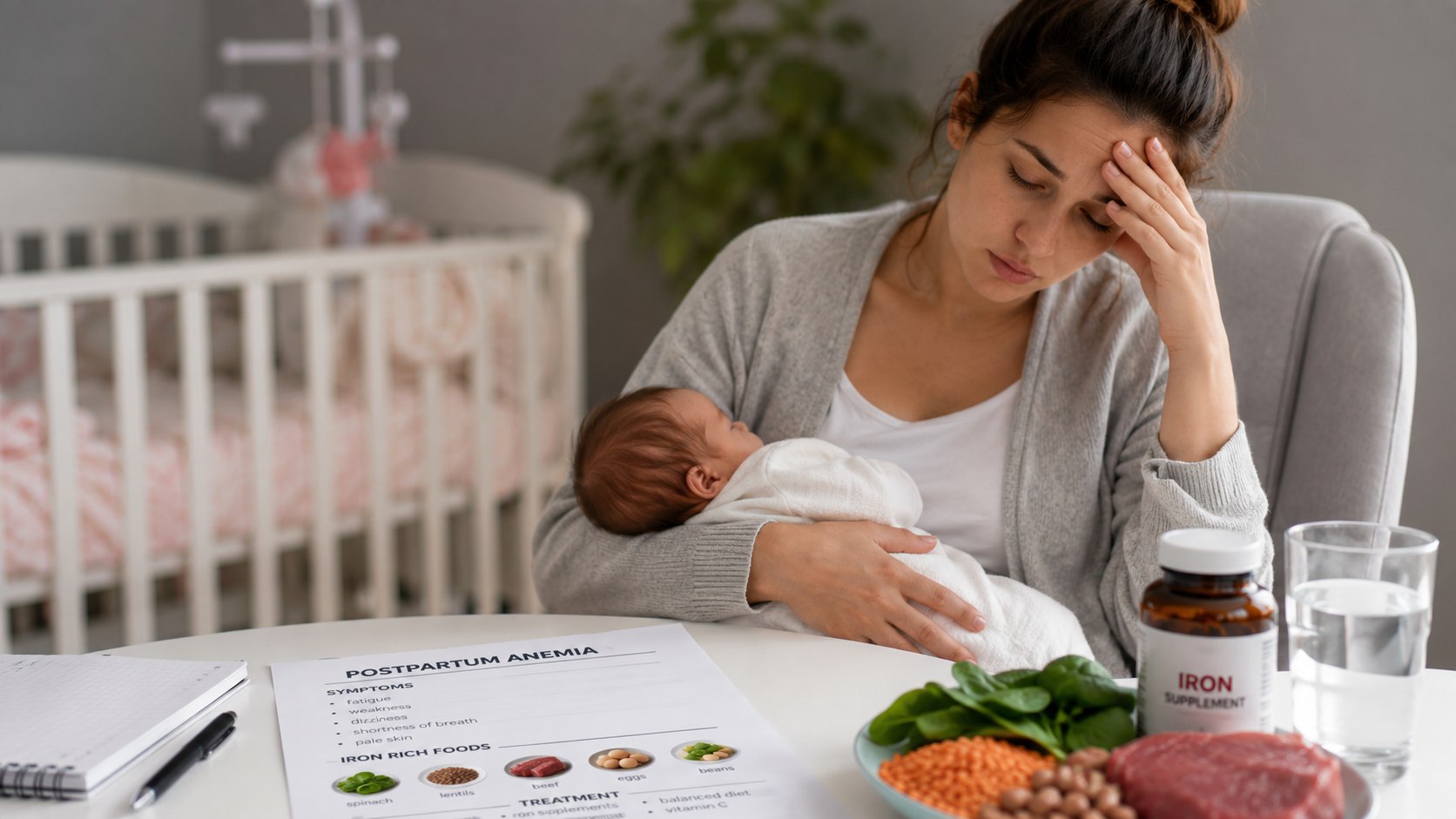
Blood tests used to diagnose postpartum anemia correctly
Diagnosis starts with a complete blood count. However, hemoglobin alone cannot fully explain iron deficiency. Some women experience severe symptoms despite borderline laboratory values.
Doctors often order several important tests:
- Hemoglobin
- Ferritin
- Hematocrit
- Serum iron
- Transferrin saturation
- Vitamin B12
- Folate levels
Ferritin plays a critical role because it measures stored iron. A woman may technically avoid “severe anemia” but still suffer from critically depleted reserves. In those cases, fatigue and dizziness remain intense.
Medical experts increasingly recommend ferritin screening after complicated childbirth. Some hospitals now repeat blood testing 6–8 weeks postpartum, especially after cesarean sections or hemorrhage.
The timing of testing matters. Immediately after delivery, inflammation may temporarily affect certain markers. Doctors often combine several blood indicators before confirming diagnosis.
Women should not stop iron therapy after minor improvement. Full recovery requires rebuilding iron stores completely. Otherwise symptoms frequently return within months.
Effective ways to restore iron levels after childbirth
Treatment depends on severity and absorption capacity. Most women begin with oral iron supplementation. Ferrous sulfate and ferrous fumarate remain the most commonly prescribed forms.
Doctors usually recommend these strategies:
- Take iron with vitamin C
- Avoid coffee near supplementation
- Separate calcium and iron intake
- Continue therapy for several months
- Increase dietary protein intake
Nutrition also becomes essential during recovery. Iron-rich meals support red blood cell production naturally.
| Food source | Recovery benefit |
|---|---|
| Beef liver | Very high iron concentration |
| Lean red meat | Fast absorption |
| Lentils | Plant-based iron |
| Spinach | Iron plus folate |
| Pumpkin seeds | Mineral support |
| Beans | Vegetarian recovery option |
| Eggs | Additional nutrient support |
After dietary correction, many women notice gradual improvement in concentration and stamina. Hair recovery often takes longer because the body prioritizes vital organs first.
Hydration also affects iron absorption and circulation. Specialists recommend balanced meals instead of restrictive postpartum dieting. Sudden calorie reduction may worsen recovery significantly.
Many discussions about chronic fatigue and nutrition continue across healthcare publications. Similar topics related to energy recovery and wellness are regularly explored by CBS Baltimore Health News.
When postpartum anemia becomes dangerous
Mild anemia is common after childbirth. Severe anemia, however, may become medically dangerous. Extremely low hemoglobin reduces oxygen delivery to organs and increases heart strain.
Doctors recommend urgent evaluation when symptoms include:
- Chest pain
- Fainting
- Rapid heartbeat
- Severe breathlessness
- Inability to walk normally
- Ongoing heavy bleeding
Some women require intravenous iron infusions because oral supplements work too slowly. Blood transfusions may become necessary after major postpartum hemorrhage.
Recovery timelines vary greatly. Mild deficiency may improve within 4–8 weeks. Severe anemia sometimes requires 6 months of treatment and monitoring.
Psychological recovery matters equally. Iron deficiency affects neurotransmitter balance and brain oxygenation. That is why some women develop concentration problems or depressive symptoms during prolonged deficiency, reports urazyokoloporodowe.pl.
Long-term prevention after pregnancy
Preventing future postpartum anemia begins before the next pregnancy. Women with previous iron deficiency should monitor ferritin regularly and discuss supplementation early.
Doctors recommend several long-term prevention strategies:
- Regular blood monitoring
- Balanced iron-rich nutrition
- Treating heavy menstrual bleeding
- Managing digestive disorders
- Proper pregnancy spacing
- Completing supplementation fully
Some women remain chronically iron deficient for years without diagnosis. They normalize exhaustion and poor concentration. However, untreated deficiency may affect heart health, immunity and quality of life.
Healthcare specialists now emphasize postpartum care beyond the first hospital weeks. Maternal recovery often continues for an entire year after delivery.
Women experiencing persistent fatigue should not ignore symptoms or rely only on rest. Proper testing and early treatment dramatically improve recovery outcomes.
FAQ
How common is postpartum anemia?
Postpartum anemia affects a large percentage of women after delivery, especially after heavy bleeding or cesarean birth.
Can postpartum anemia cause depression symptoms?
Yes. Studies increasingly connect low iron levels with anxiety, mood instability and depressive symptoms after childbirth.
Which blood test is most important for postpartum anemia?
Ferritin is extremely important because it reflects stored iron reserves inside the body.
How long does postpartum iron recovery take?
Mild deficiency may improve within weeks, while severe anemia may require several months of treatment.
Are iron supplements enough after childbirth?
Supplements help most women, but severe deficiency sometimes requires intravenous iron therapy or hospital treatment.
What foods help postpartum anemia fastest?
Red meat, liver, lentils, spinach and pumpkin seeds support faster iron restoration.
Earlier we wrote that Baltimore Herb Festival returns to Leakin Park for its 37th year with turmeric, vendors and family events