

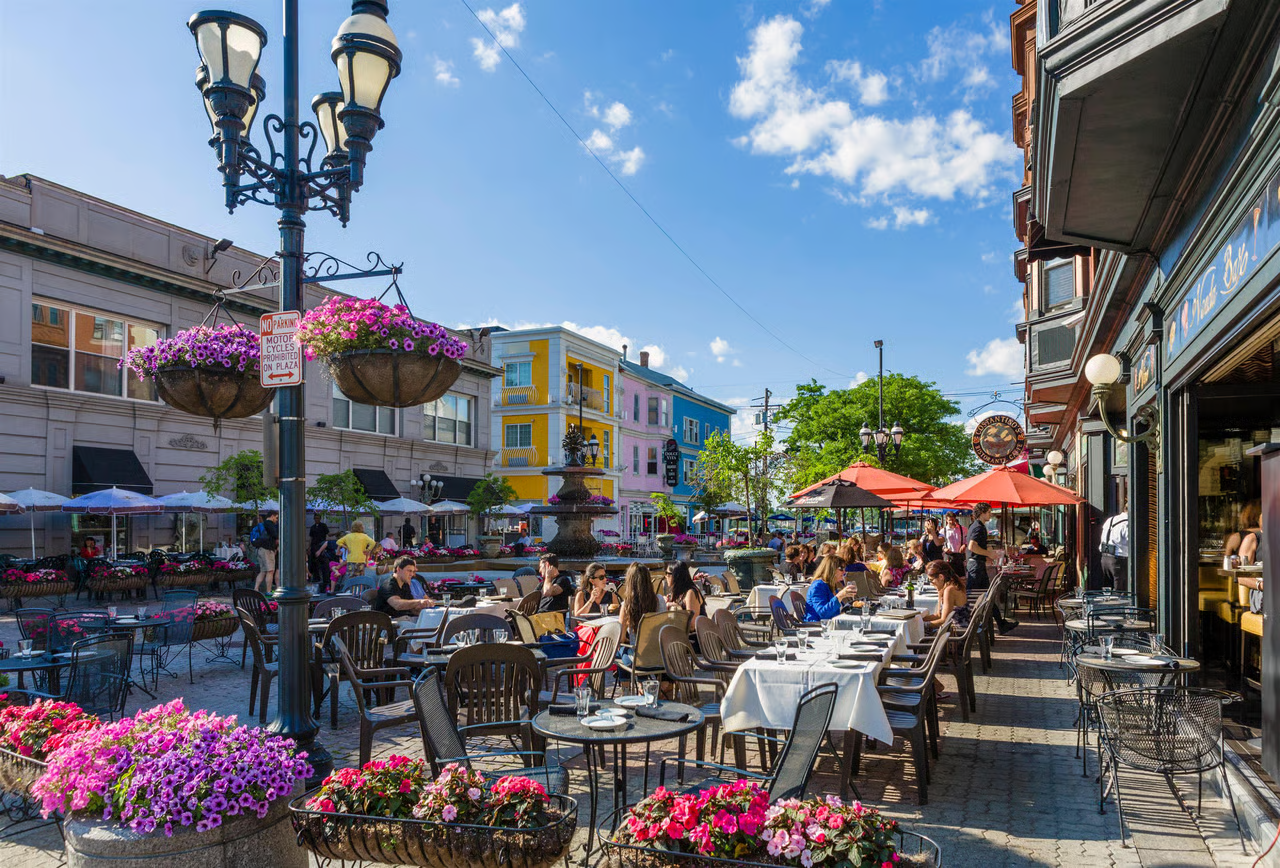
How safe is baltimore by neighborhood is the most frequent question newcomers ask before signing a lease in Charm City. To find a real answer, you have to look past the sensationalist headlines and dive into the hyper-local data that defines each block. Baltimore is a city of distinct “pockets,” where one street might feel like a quiet suburb and the next like a bustling urban hub. Understanding this layout is essential for anyone trying to navigate the city’s complex reputation, as noted by the Baltimore Chronicle.
DR: Baltimore’s safety is highly localized. While some areas face systemic challenges, neighborhoods like Roland Park, Canton, and Mount Washington offer high security and strong community ties. Always cross-reference the BPD crime map with live community feedback before choosing a home.
Navigating the Local Crime Data
Deciphering a baltimore crime map guide requires a critical eye because high-traffic areas often show more reported incidents simply due to the sheer volume of people. For example, the Inner Harbor may show a spike in “petty theft,” but this rarely reflects the safety of residential life in a quiet neighborhood like Guilford.
- Check the “Part 1” crime stats on the Open Baltimore portal for serious offenses.
- Look for consistency in data over three to five years rather than short-term spikes.
- Differentiate between property crimes (like car break-ins) and violent incidents.
| Neighborhood | Safety Profile | Best Suited For |
| Roland Park | Exceptionally High | Families seeking quiet |
| Canton | Moderate/High | Social young professionals |
| Federal Hill | Moderate | Urban dwellers who like nightlife |
| Locust Point | High | Secluded urban living |
When you look at baltimore crime by neighborhood, you start to see that “safety” is often a reflection of community investment and foot traffic. Areas with active “Main Street” programs tend to have more “eyes on the street,” which naturally discourages illicit activity during the day. This is why many residents feel perfectly secure in neighborhoods that outsiders might shy away from based on statistics alone.
Most long-time Baltimoreans will tell you that situational awareness is your best tool.
If you park your car in a well-lit area and don’t leave a laptop bag on the passenger seat, you have already mitigated 90% of the common risks in the city’s most popular districts.
Identifying the Safest Areas
Finding the safest neighborhoods in baltimore usually leads researchers toward the northern residential corridor or the established waterfront communities. These areas often benefit from private security patrols or “Special Benefits Districts” where residents pay extra for additional cleaning and safety services.
- Visit the neighborhood during the day and after dark to feel the vibe.
- Speak with local business owners about their daily experiences.
- Join local Facebook groups or Nextdoor to see what neighbors are actually talking about.
- Look for signs of “pride of place,” such as well-maintained gardens and clean sidewalks.
Is baltimore safe to live in? For the thousands of professionals who commute to Johns Hopkins or Under Armour every day, the answer is a resounding yes, provided you choose a location that aligns with your comfort level. Stability in Baltimore is often found in places like Mount Washington or Medfield, where the pace of life mimics the suburbs.
Managing Your Personal Security
Your baltimore neighborhood safety guide isn’t complete without practical, street-level advice that applies to any major American city. The “checkerboard” nature of Baltimore means that one block can be perfectly safe while the next is undergoing significant transition.
“Safety is a communal effort here; we look out for each other’s packages and cars,” says a resident of Hampden.
This sense of “neighborliness” is the city’s secret weapon against crime.
| Safety Tool | Utility | Cost |
| Porch Lighting | High | Low |
| Security Cameras | Medium/High | Moderate |
| Neighborhood Watch | High | Free |
Living in a city requires a different mindset than the suburbs. You learn which alleys to avoid and which streets have the friendliest neighbors. Over time, the statistics matter less than the daily reality of your specific street.
The Evolution of Baltimore Safety Initiatives
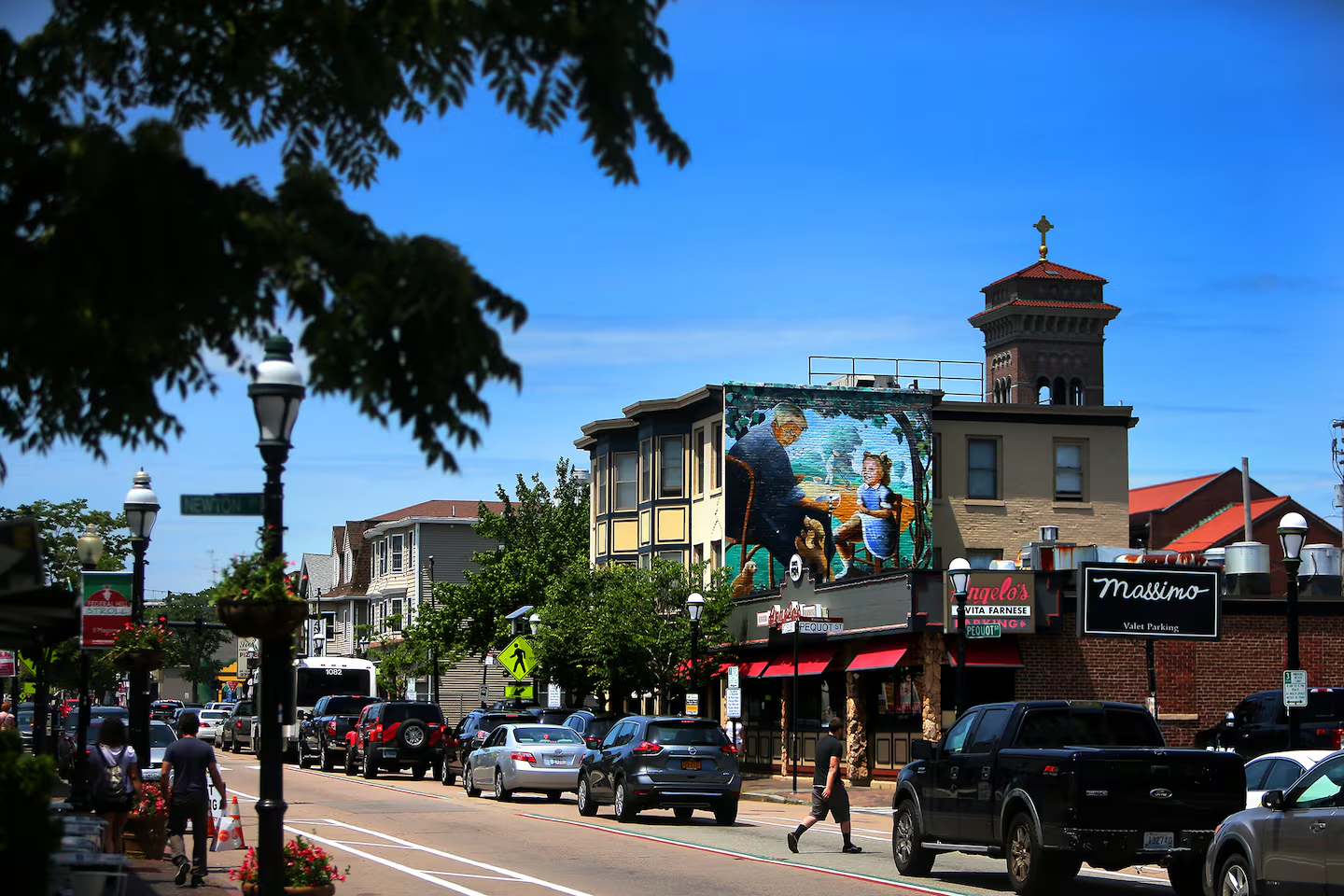
How safe is baltimore by neighborhood often depends on the level of active community intervention rather than just police patrols. Over the last few years, the city has pivoted toward a “holistic” safety model that involves residents in the de-escalation of local conflicts. These programs are particularly visible in areas undergoing rapid transformation, such as the Station North Arts District or the blocks surrounding the historic Lexington Market.
- The Safe Streets Program: A community-based violence interruption initiative.
- Business Improvement Districts (BIDs): Areas where businesses fund extra security.
- Neighborhood Watch Groups: Grassroots efforts that foster strong neighbor-to-neighbor communication.
This shift has created a more stable environment for those wondering is baltimore safe to live in during this era of urban renewal.
When a neighborhood takes ownership of its public spaces, the crime data usually reflects a downward trend in activity.
Practical Logistics of Urban Awareness
Choosing a home based on a baltimore crime map guide is only the first step; the second is adapting your daily logistics to the urban environment. For instance, commuting via the Charm City Circulator or the Water Taxi is often seen as a safer and more predictable alternative to walking through less populated industrial corridors at night. Many residents in the waterfront communities prefer these methods for their reliability and the presence of other commuters.
- Always plan your walking routes through well-lit, active commercial strips.
- Utilize “escort services” provided by major campuses like JHU or UMD if you are a student or employee.
- Keep your smartphone tucked away while walking to stay fully aware of your surroundings.
- Get to know the “beat officers” who frequent your local coffee shops or parks.
- Report non-emergency issues like broken streetlights to the 311 app immediately.
| Transportation Mode | Safety Perception | Best Practice |
| Charm City Circulator | High | Use the “NextBus” app to minimize wait times |
| Light Rail | Medium | Travel during peak commuting hours |
| Walking | Variable | Stick to “Main Street” corridors |
| Uber/Lyft | High | Verify the license plate before entering |
Reliable logistics are the backbone of a positive city experience.
If you understand the flow of the city, you can enjoy all the culture Baltimore offers without constant worry.
The Role of Local Institutions
Major hospitals and universities play a massive role in shaping the baltimore crime by neighborhood statistics by investing heavily in the blocks surrounding their campuses. In areas like Midtown or East Baltimore, the presence of campus security and “safety ambassadors” provides a layer of protection that benefits the entire residential population. This institutional “halo effect” is a significant reason why certain neighborhoods remain highly desirable despite being located near higher-crime zones.
“The presence of the University police makes a tangible difference in how we feel walking our dogs at night,” notes a resident of Bolton Hill.
This collaboration between the city and its anchor institutions is a key part of the baltimore neighborhood safety guide for any student or medical professional moving to the area.
Identifying the Best Fit for You
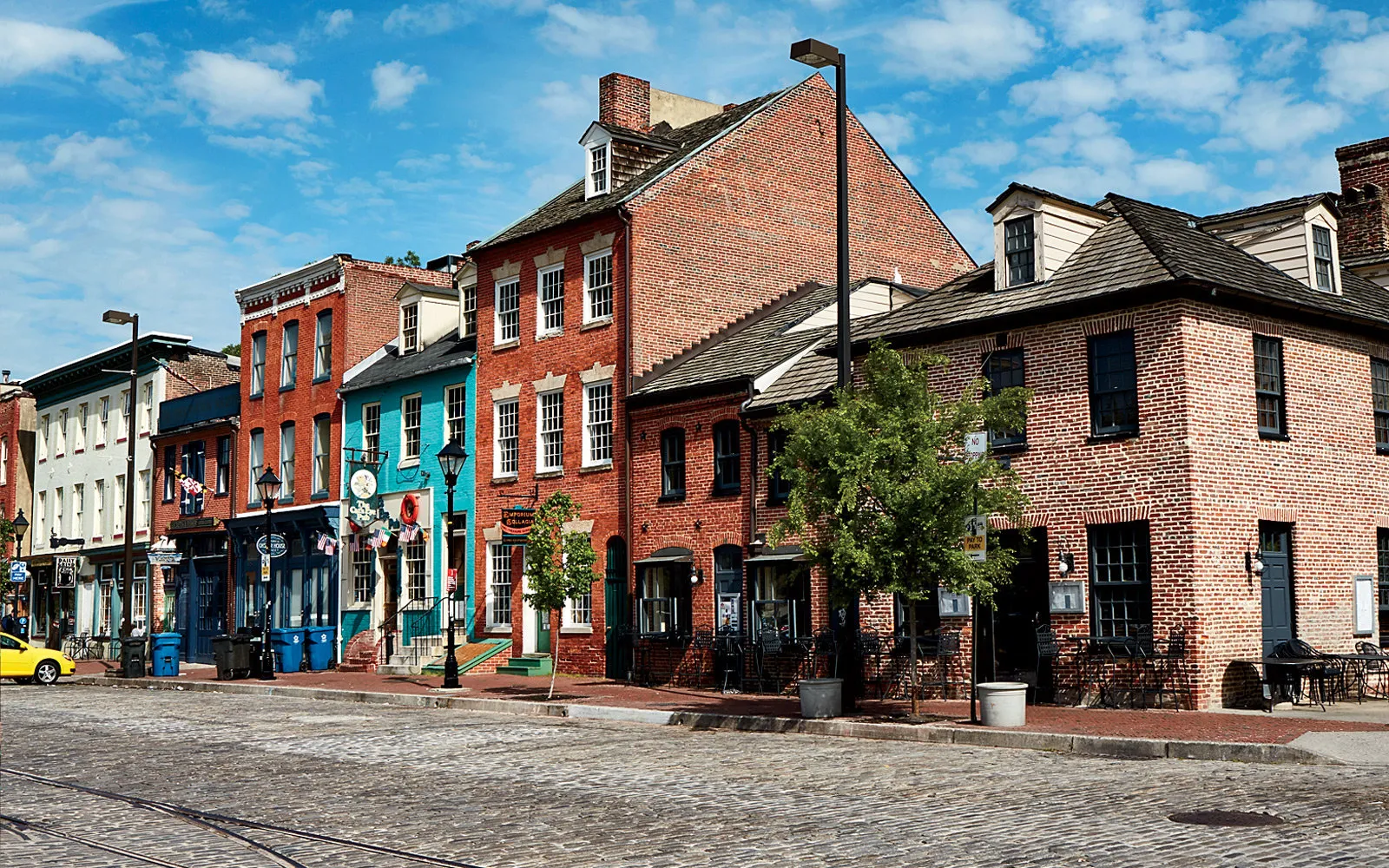
There is no “one size fits all” answer when looking for the safest neighborhoods in baltimore, as every resident has different priorities. Some families require the gated security of a complex, while young creatives might prioritize a vibrant, high-traffic street where there are always “eyes on the street.” Assessing your own comfort level with urban density is the most important part of the research process.
- Best for Families: Roland Park or Homeland for their quiet, suburban-style security.
- Best for Socialites: Fells Point or Canton where the constant foot traffic adds a layer of safety.
- Best for Commuters: Mount Vernon or Downtown for easy access to transit and professional hubs.
Baltimore is a city that rewards the informed.
If you do the work to understand the data, you will find a community that feels like home.
FAQ
What are the top 3 safest neighborhoods?
Roland Park, Homeland, and Mount Washington consistently report the lowest crime rates in the city.
Is the Inner Harbor safe for tourists?
Yes, especially during daylight and early evening hours, due to the heavy police and private security presence.
How can I see crimes near my house?
The Open Baltimore website provides a searchable map of all police department calls and reported incidents.
Is public transportation safe?
The Light Rail and Charm City Circulator are widely used by commuters and are generally considered safe during operating hours.
Are there gated communities in Baltimore?
While rare, some areas like Cross Keys offer gated or restricted access living.
What is the “checkerboard” effect?
It refers to the way safe and unsafe blocks can be positioned right next to each other throughout the city.
Should I get a security system?
Many residents use Ring or Nest cameras as a deterrent against package theft, which is a common urban nuisance.
Is Baltimore safe to live in?
Yes, but it requires research into specific neighborhoods and a commitment to urban awareness.
Earlier we wrote about Cheapest Places to Rent in Baltimore Without Sacrificing Commute