

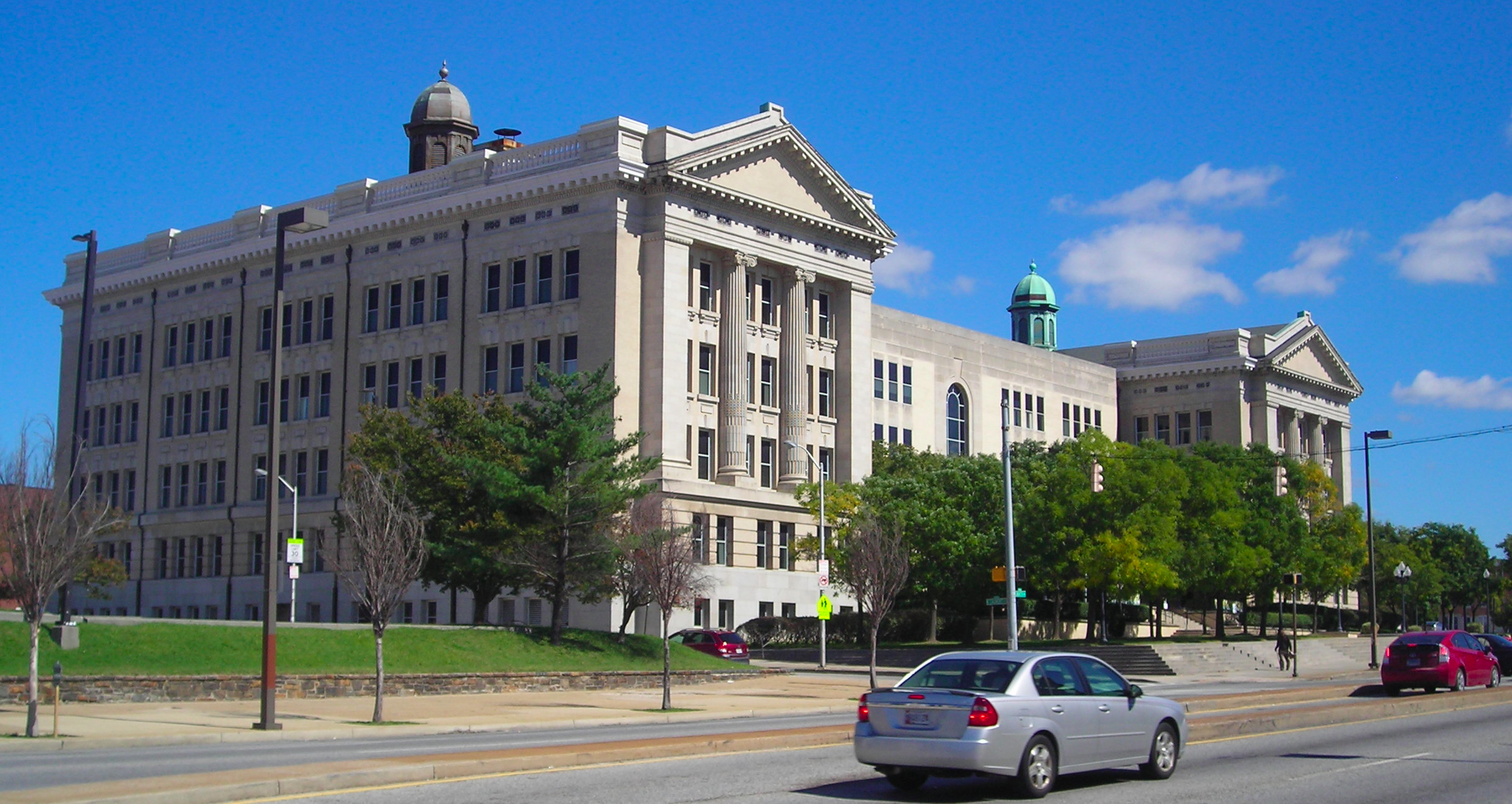
Baltimore school choice guide is a fundamental resource for any family trying to navigate the complex educational landscape of Charm City. Whether you are relocating from across the country or moving between neighborhoods like Canton and Roland Park, understanding the lottery system is essential. The city offers a diverse array of traditional public, charter, and specialty schools that cater to different learning styles. Choosing the right path requires early planning and a clear grasp of deadlines as noted by the Baltimore Chronicle.
TL;DR: Quick Essentials for Parents
- Zone Schools: Every residential address has a designated neighborhood school.
- Charter & Transformation Schools: Publicly funded but independently operated, often requiring a separate lottery application.
- Citywide Schools: Schools like Baltimore City College or Poly that accept students based on composite scores or specific criteria.
Understanding the mechanics of the lottery system
Navigating the educational waters in Maryland’s largest city starts with understanding how school choice works baltimore for different age groups. For elementary and middle schoolers, most children attend their neighborhood “zone” school based on their home address.
However, if that school doesn’t align with your child’s needs, the “Choice” process allows you to apply to other institutions. The goal of school choice is to ensure that every child has access to a learning environment where they can thrive, regardless of their zip code. This system operates primarily through a centralized lottery where parents submit an application listing preferred schools, and a computer algorithm assigns seats based on availability and priority status. Families moving to baltimore with kids schools should prioritize the “Office of Enrollment” as their first point of contact.
| School Type | Admission Basis | Best Fit For |
| Neighborhood Zone | Residential Address | Convenience and local community |
| Public Charter | Lottery / Random Draw | Specialized themes (Arts, STEM) |
| Entrance Criteria | Grades and Test Scores | High-achieving academic focus |
| Transformation | Lottery | Alternative teaching models |
The enrollment period typically kicks off in the winter for the following academic year.
It is vital to keep all residency documents, such as utility bills and lease agreements, updated and ready for submission. Missing a deadline can often mean waiting an entire year or settling for a school that wasn’t on your priority list. Many parents find that visiting schools during open houses provides the best “vibe check” for their children.
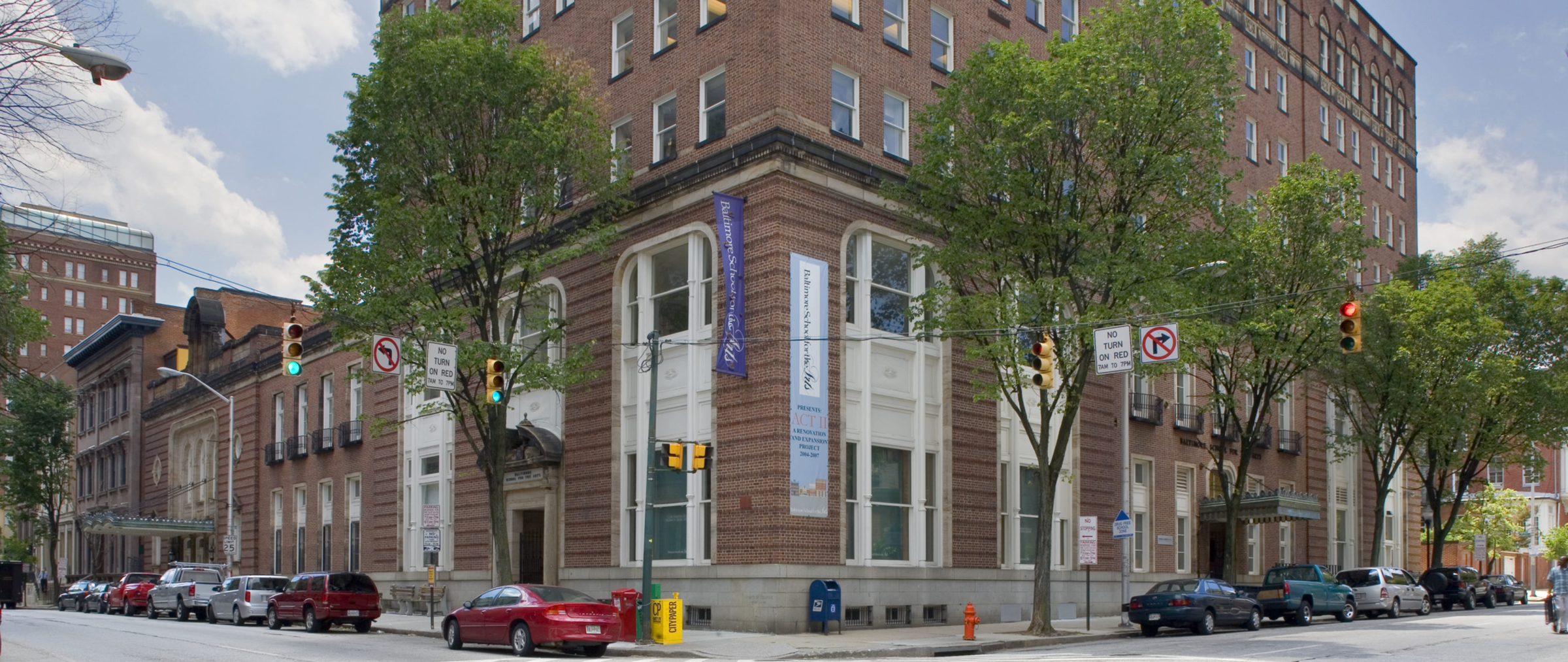
Identifying the best schools in baltimore city
Finding the best schools in baltimore city often depends on whether you are looking for elementary, middle, or high school options. In the elementary sector, schools in neighborhoods like Hampden or Federal Hill frequently receive high marks for parent engagement.
For high school, the “Big Three” — City, Poly, and Western — remain the gold standard for academic rigor. Choosing a school involves looking beyond just test scores; you should consider the extracurricular offerings, the school’s “Climate Rating,” and the commute logistics, especially if the school is across town.
Baltimore public schools guide metrics often highlight progress in literacy and graduation rates as key indicators of a school’s trajectory.
- Research the “School Effectiveness Review” reports available on the BCPSS website.
- Attend the annual Citywide School Choice Fair usually held in the fall or winter.
- Check the “Composite Score” requirements for selective high schools.
- Consult with local neighborhood associations to hear real-time feedback from parents.
Step-by-step baltimore school enrollment guide
The following baltimore school enrollment guide simplifies the process for newcomers. It is designed to take the guesswork out of paperwork and digital portals.
- Step 1: Determine your zoned school using the BCPSS “School Locator” tool.
- Step 2: Create an account on the “Campus Portal” or the current year’s enrollment software.
- Step 3: Collect your child’s birth certificate, immunization records, and two proofs of Baltimore residency.
- Step 4: Submit your choice application before the mid-winter deadline (usually January or February).
Following these steps ensures that your child is in the system early.
If you are applying for a charter school, double-check if they require an additional, separate application on their own website. Some specialized programs have unique auditions or portfolios that must be submitted alongside the standard forms.
Common pitfalls to avoid
Many parents wait until the summer to start the process, which is a major mistake. By July, most high-demand charter and citywide seats are already filled.
Another error is failing to research the transportation options, as the city does not provide yellow bus service for all choice selections. Always verify the baltimore public schools guide updates regarding bus passes for older students.
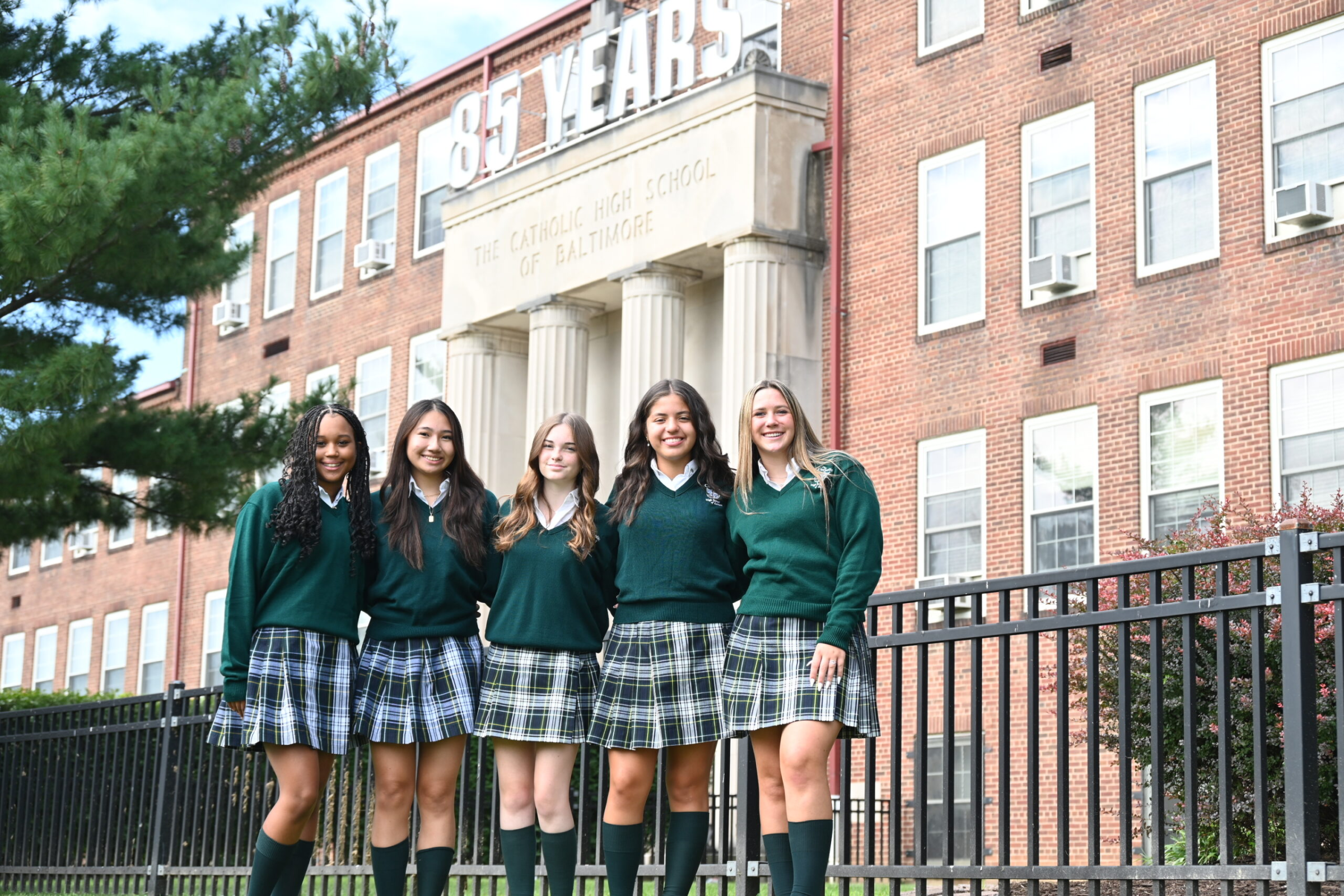
Comparing public and charter options
The baltimore public schools guide distinguishes clearly between traditional and charter models.
Charter schools in Baltimore are unique because they are still part of the public school system and do not charge tuition. They often have a specific “flavor,” such as Montessori, Waldorf, or an intensive focus on environmental science. The flexibility of charters attracts many, but it also means parents must be more involved in the lottery process. Traditional schools, on the other hand, offer the stability of a neighborhood anchor and guaranteed placement for those living within the boundary. Some parents prefer the “zoned” approach because it fosters friendships with neighbors.
Frequently Asked Questions
Does Baltimore City offer free preschool?
Yes, BCPSS provides Pre-K programs for 3 and 4-year-olds, though priority is often given to families meeting specific income requirements.
What is a composite score?
A composite score is a numerical value calculated from a student’s grades and standardized test scores used for admission to elite high schools.
Can I apply to a school outside of my zone?
Yes, through the “Choice” process, but placement is not guaranteed and depends on available space after all zoned students are accommodated.
Are uniforms required?
The majority of Baltimore City Public Schools require students to wear specific uniforms, though the colors vary by school.
How does transportation work for choice schools?
Middle and high school students usually receive a monthly “S-Pass” for the MTA bus and light rail system if they live a certain distance from the school.
What if I move to Baltimore mid-year?
You should contact the Office of Enrollment immediately; your child will be placed in their zoned school or a school with an open seat.
Who this is best for:
This guide is specifically crafted for parents who value academic diversity and are willing to put in the administrative legwork to secure a specialized seat. It is also ideal for families moving into the city who need to understand why their neighbor’s child goes to a school five miles away instead of the one down the street.
Earlier we wrote about Best Seafood Restaurants in Baltimore Beyond the Tourist Spots