

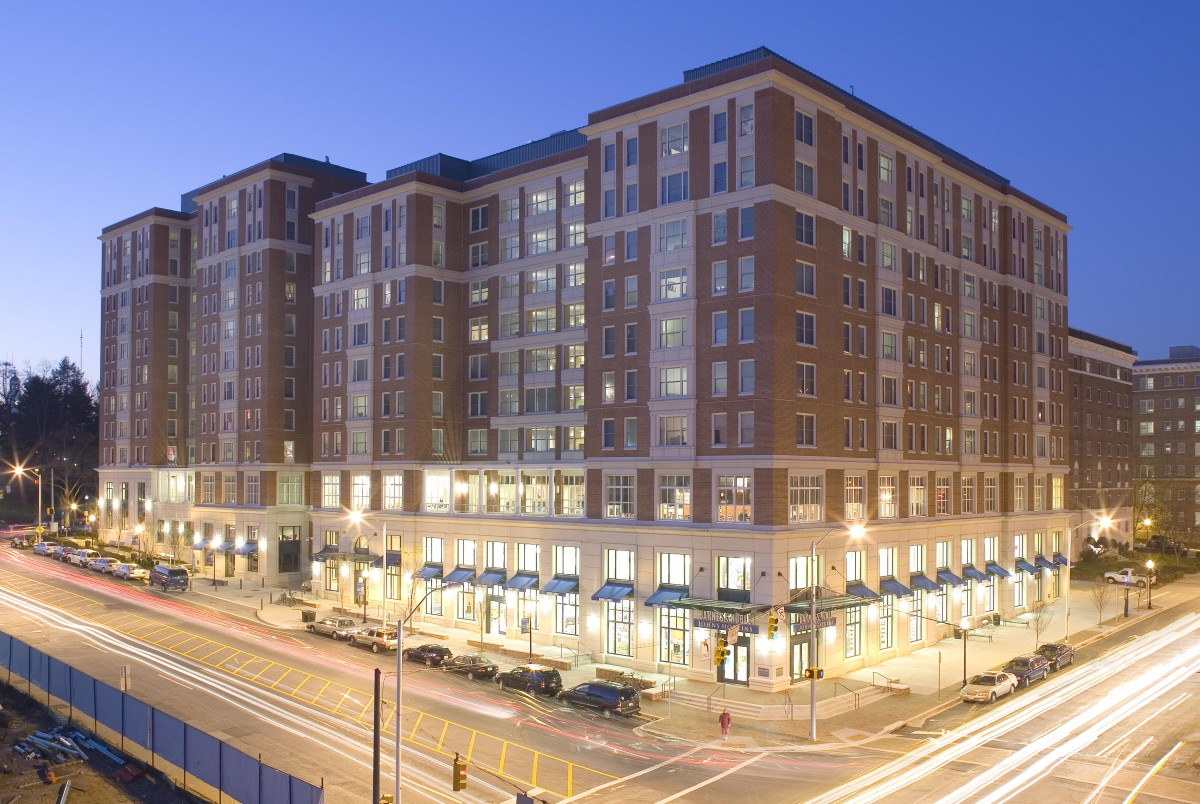
Johns Hopkins student housing is a primary concern for the thousands of scholars who arrive in Charm City every year, eager to balance academic rigor with a liveable neighborhood.
Finding the right spot requires more than just a quick search; it demands an understanding of Baltimore’s unique street-by-street dynamics and the specific logistical needs of a high-pressure university environment. From the historic brownstones of Charles Village to the sleek, modern towers of Harbor East, the options are as varied as the students themselves. Navigating this landscape effectively means looking beyond the sticker price and considering commute times, safety, and local amenities that define the daily student experience as noted by the Baltimore Chronicle.
Quick Guide for JHU Students
- Best for Undergrads: Charles Village or Remington (walking distance).
- Best for Medical Students: Upper Fells Point or Butchers Hill (near East Baltimore campus).
- Best for Luxury: Harbor East or Mount Vernon (shuttle accessible).
- Budget Range: $900 – $2,200+ depending on roommates and building age.
Selecting the Right Neighborhood
Choosing where to live near johns hopkins often depends on which campus acts as your North Star.
If you are based at Homewood, you will likely drift toward the north-central corridor of the city, where leafy streets and student-focused cafes predominate. Conversely, those at the Medical Campus in East Baltimore often seek a balance between proximity to the hospital and the vibrant nightlife of the waterfront.
It is a strategic choice that dictates your social life and your stress levels during finals week. Finding the best neighborhoods for johns hopkins students involves a trade-off between the charm of old-world Baltimore and the convenience of newer developments. While Hampden offers a more “local” feel, it might require a slightly longer walk or a bike ride compared to living on St. Paul Street. Many students find that the extra ten minutes of commuting is worth it for the sense of community found in these established residential pockets.
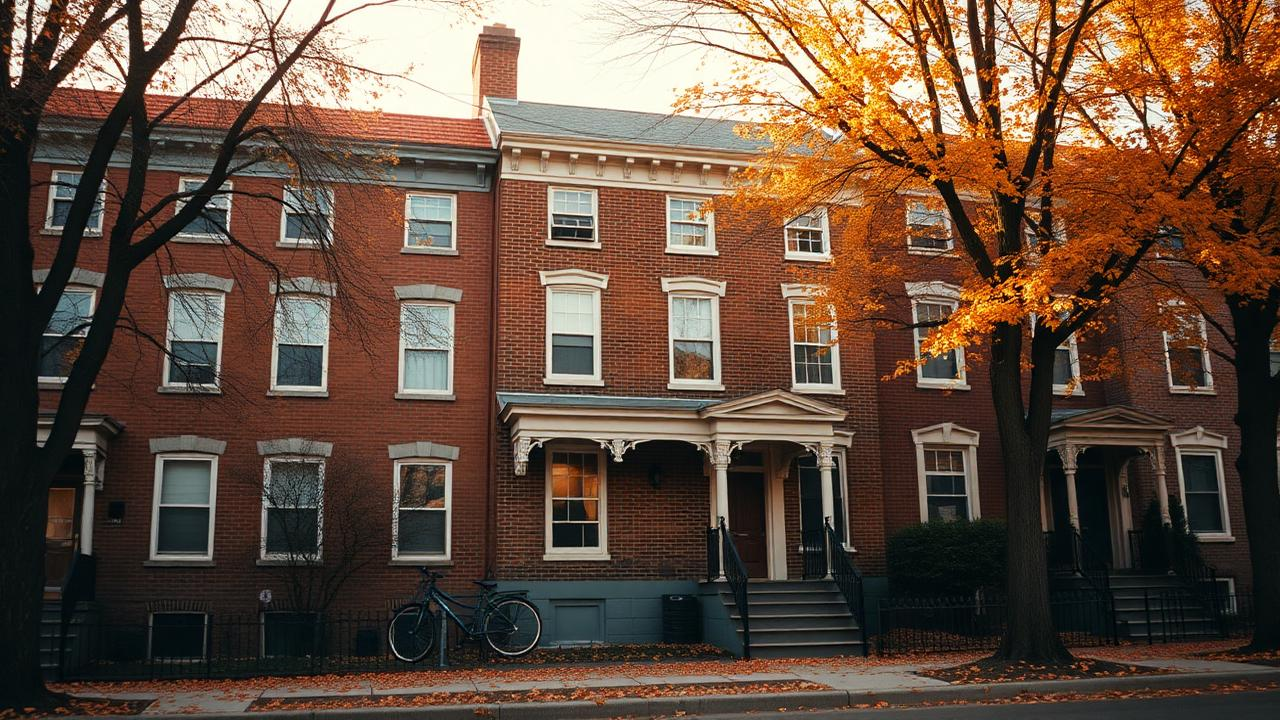
- Charles Village: The classic choice with “Painted Lady” houses and a strong student presence.
- Remington: A trendy, industrial-chic area with incredible food at R. House and slightly lower rents.
- Hampden: Famous for “Hon” culture, quirky shops on The Avenue, and a distinct Baltimore personality.
- Mount Vernon: The cultural heart of the city, perfect for Peabody students or those who love historic architecture.
Budgeting and Apartment Types
Navigating the market for baltimore student apartments requires a clear-eyed look at your monthly finances and what is included in the rent. While some newer “luxury student” buildings bundle utilities and high-speed internet into one price, older rowhouse conversions might leave you juggling separate bills for heating and water. It is essential to ask landlords about the average cost of BGE (Baltimore Gas and Electric) during the humid summer months and the chilly winter peak.
| Neighborhood | Average Rent (1BR) | Distance to Campus | Vibe |
| Charles Village | $1,200 – $1,600 | 0-5 mins | Academic |
| Remington | $1,100 – $1,500 | 10-15 mins | Hipster/Artistic |
| Fells Point | $1,800 – $2,400 | 15 mins (shuttle) | Waterfront |
| Mount Vernon | $1,300 – $1,750 | 20 mins (shuttle) | Historic |
Always verify current rates with property managers as the Baltimore market fluctuates based on seasonal demand.
Students often find that sharing a three-bedroom rowhouse in Charles Village is the most cost-effective way to live comfortably. This setup typically allows for a backyard space and more square footage than a modern studio. However, the maintenance on older homes can be a variable that requires a responsive landlord.
Managing the Commute and Logistics
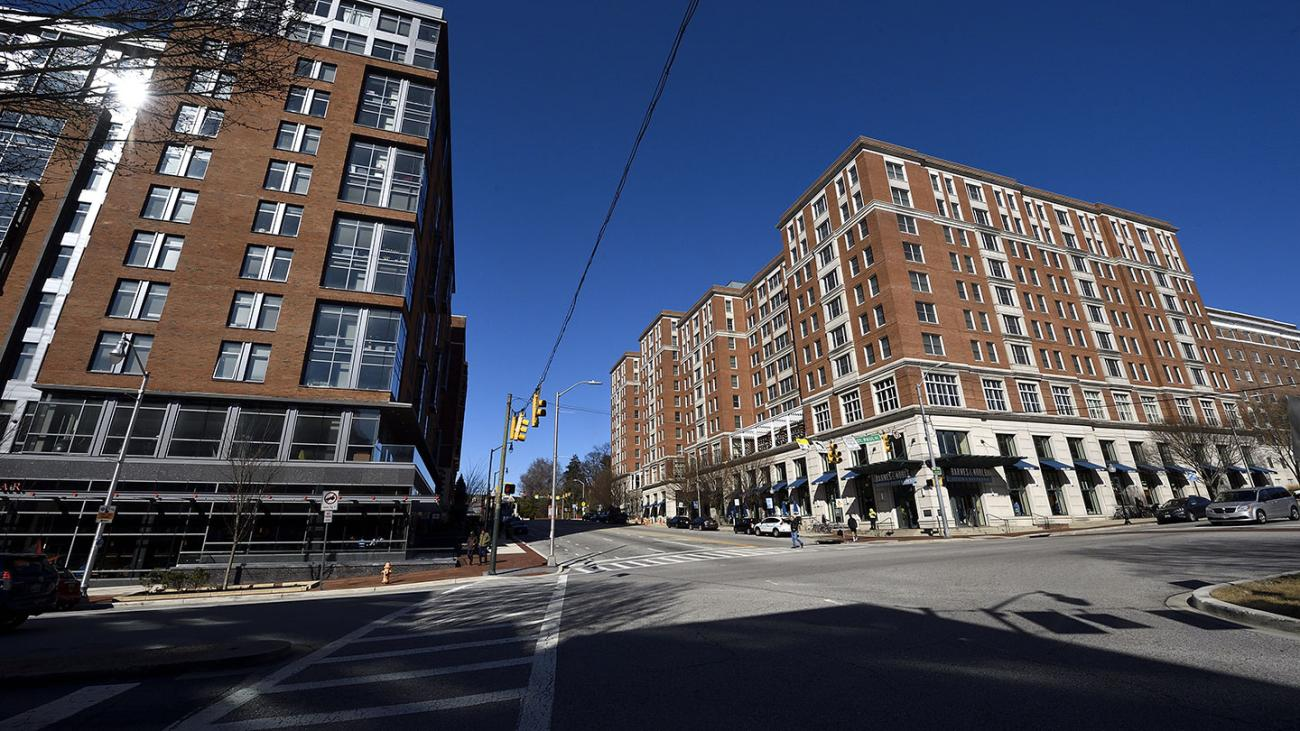
Securing hopkins housing off campus doesn’t mean you lose access to university resources, especially the Blue Jay Shuttle.
This service is a lifeline for students living in the designated service areas, providing safe transit after dark and connecting the various campuses. Before signing a lease, map out the shuttle stops to ensure you aren’t stranded during late-night library sessions or hospital rotations.
“Living off-campus taught me more about Baltimore than any lecture could; you become part of the city’s fabric rather than just a guest in a dorm.” — A 2025 JHU Graduate.
Many graduate students prefer the quiet dignity of Bolton Hill, where the streets are wide and the noise levels stay low. Waverly is another alternative, offering a fantastic Saturday farmers’ market and a more diverse residential mix. If you own a car, check the permit parking situation immediately, as some blocks are notoriously difficult for street parking. Biking is also increasingly popular, thanks to new protected lanes connecting the Midtown area to the northern neighborhoods.
Safety and Security Red Flags
The reality of student living baltimore involves being street-smart and choosing properties with robust security features.
Look for buildings with controlled access, well-lit entrances, and modern window locks. It is also wise to visit a potential neighborhood at different times of the day—what feels quiet at 2:00 PM might feel very different at 10:00 PM. Trust your instincts during the walkthrough; if the common areas are neglected, the management likely won’t be responsive to your needs either.
- Check the “Community Living” office website at JHU for verified landlord lists.
- Inspect for signs of past water damage or pests in older basements.
- Test the cell phone reception inside the unit, as thick stone walls can be signal killers.
- Verify the proximity to grocery stores like Safeway or Eddies.
The transition to independent living is a significant milestone in any academic career.
By prioritizing research and visiting neighborhoods in person, you can find a space that serves as a sanctuary rather than a source of stress. Baltimore is a city of neighborhoods, and finding yours is the first step to truly calling it home.
Frequently Asked Questions
When should I start looking for housing?
Most students begin their search in January or February for a June or August move-in date to get the best selection.
Are utilities usually included in Baltimore apartments?
In large apartment complexes, some utilities might be included, but in private rowhouses, tenants usually pay gas, electric, and sometimes water.
Is it necessary to have a car at Johns Hopkins?
No, many students rely on the Blue Jay Shuttle, Charm City Circulator, and biking, though a car is helpful for grocery runs.
What is the Blue Jay Shuttle?
It is a free university-run transportation service that provides point-to-point rides within specific zones around the campuses.
Can I find furnished apartments near campus?
Yes, several specialized student housing buildings offer furnished units, though they typically command a higher rent.
Is renters insurance required?
While not always legally mandated by the city, almost all professional landlords and management companies require proof of insurance.
Are there many pet-friendly options?
Baltimore is generally very pet-friendly, but you should expect to pay a monthly “pet rent” or a non-refundable deposit.
How do I find roommates?
The university provides an off-campus housing portal where students can post profiles and search for compatible roommates.
Earlier we wrote about Public vs Private Schools in Baltimore: How Parents Can Compare Options