

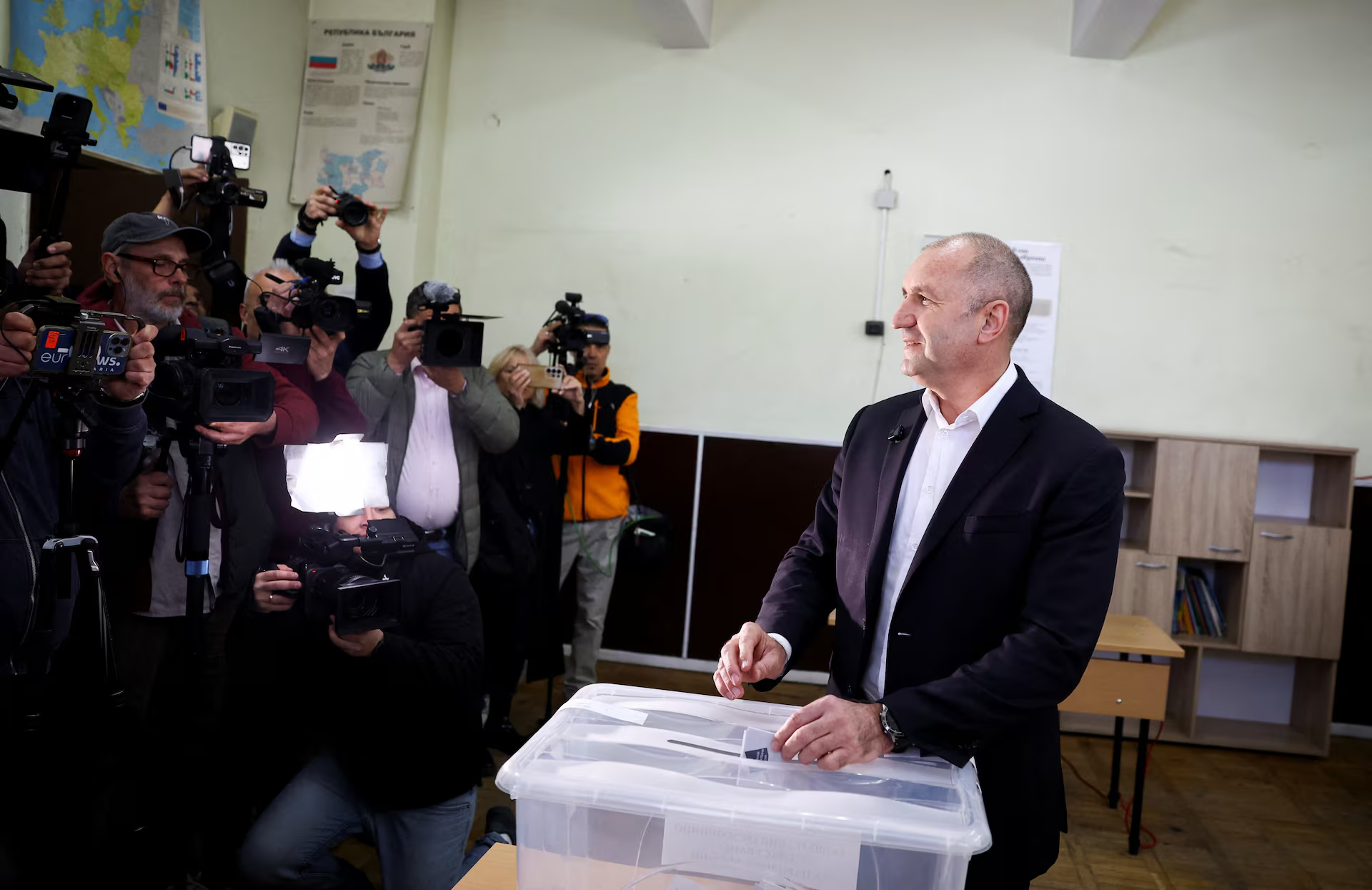
Bulgaria election 2026 marks a historic turning point for the Balkan nation after years of political instability. The early parliamentary elections have finally concluded with a clear frontrunner emerging from the chaotic political landscape. According to preliminary data, the Progressive Bulgaria party has secured a dominant position in the national assembly. This political force is directly linked to the influential former president Rumen Radev. Voters have handed them approximately 39.1% of the total vote share. This result likely translates into 110 seats within the 240-seat parliament in Sofia. Such a significant lead provides a strong mandate for forming a new governing majority. High voter turnout across the country indicates a deep public desire for lasting structural changes. The final distribution of mandates now rests on the upcoming coalition negotiations as noted by Baltimore Chronicle via results.
The collapse of the old guard and the rise of Rumen Radev
The political crisis reached its peak in December 2025 when Prime Minister Rosen Zhelyazkov resigned. Massive protests against corruption and economic mismanagement had paralyzed the streets of major Bulgarian cities for weeks. This instability paved the way for Rumen Radev to take a radical and unprecedented step. He resigned from the presidency to launch his own dedicated political movement.
His transition from a ceremonial head of state to an active party leader surprised many international observers. Radev utilized his high approval ratings from his presidential terms to consolidate a frustrated electorate. The Bulgaria election 2026 results confirm that his strategy to bypass traditional parties was successful. Many citizens viewed his new platform as the only viable alternative to the previous revolving-door governments.
Strategic shifts in the Bulgarian political landscape during the latest cycle:
- Eight elections held within just five years have exhausted the national budget and voters.
- The 39.1% result for Progressive Bulgaria is the highest for any single party since 2016.
- Protest movements from late 2025 successfully transitioned into a structured electoral force.
- Traditional pro-European coalitions have lost nearly 15% of their previous voter base.
- National security and energy independence became the primary drivers for rural voters.
These factors illustrate why the electorate shifted so decisively toward a more centralized leadership model. The high participation rate suggests that Bulgarians are no longer indifferent to the legislative process. Most analysts agree that the era of fragmented minority governments might finally be over. However, the international community remains cautious about the specific policy directions of this new majority.
Economic data and projected parliamentary distribution in Sofia
The economic fallout from the 2025 crisis was a major theme during the short campaign period. Inflation and stagnant wages pushed voters to seek a party promising radical state intervention. Progressive Bulgaria campaigned heavily on a platform of price controls and social welfare expansion. The projected seat count allows them to dominate legislative committees and fast-track their proposed reforms.
Projected parliamentary seats based on 98% of votes counted:
| Political Party | Vote Percentage | Estimated Seats |
| Progressive Bulgaria | 39.1% | 110 |
| GERB-SDS Alliance | 18.4% | 45 |
| We Continue the Change | 14.2% | 36 |
| Revival (Vazrazhdane) | 10.5% | 27 |
| Other Minor Parties | 17.8% | 22 |
The data shows a massive gap between the winner and the second-place alliance. This 110-seat projection means Radev only needs a small partner to reach the 121-seat majority. Negotiators are already looking toward smaller populist factions to secure a stable coalition. If successful, this would be the first stable government in Bulgaria since early 2021. The market reaction in Sofia has been cautiously optimistic regarding the potential for fiscal stability.
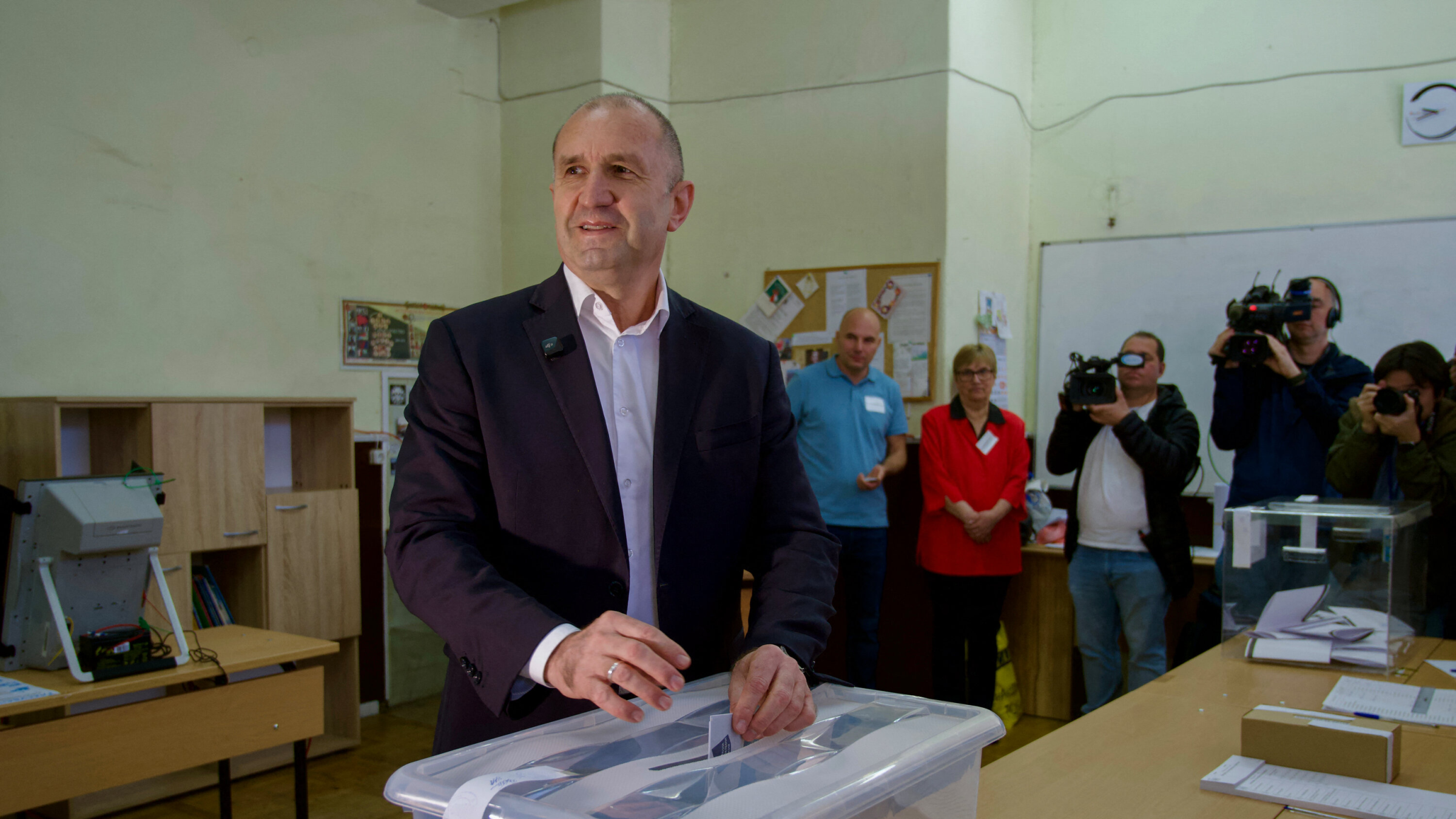
Foreign policy implications and the Ukraine conflict stance
The victory of Rumen Radev’s party raises significant questions for the European Union and NATO. During his presidency, Radev was known for his skeptical view on military aid to Ukraine. He frequently argued against arms shipments, citing the risk of national involvement in the war. This stance often put him at odds with the pro-Western mainstream in Brussels.
Now, with direct control over the parliament, this restrained approach could become official government policy. Critics fear that Bulgaria might shift closer to the positions held by Hungary within the EU. However, Radev has recently emphasized that Bulgaria will remain a “predictable partner” while prioritizing its own interests. The upcoming months will reveal how he balances these domestic promises with international obligations.
The world will be watching the first sessions of the new parliament in late April. Any shift in energy policy or sanctions support will be analyzed by global intelligence agencies. For now, the focus remains on whether Radev can actually deliver the stability he promised. Bulgaria stands at a crossroads between its traditional alliances and a new, sovereignist path.
Earlier we wrote that US Treasury Department relaxes Russian oil sanctions: General License 134B details