

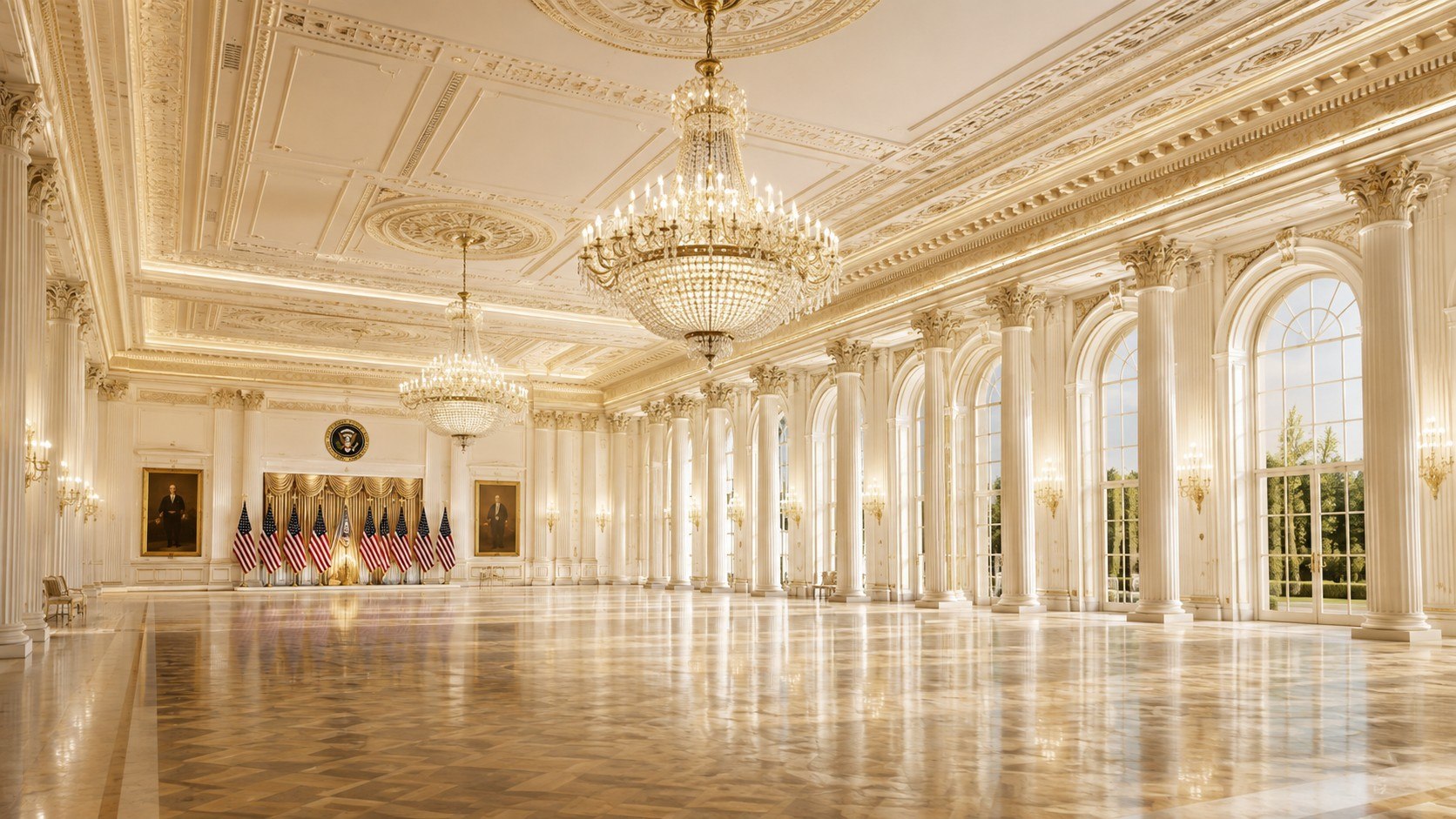
White House ballroom construction can continue while a lawsuit challenging President Donald Trump’s project moves through federal courts. The Supreme Court granted the administration’s request in a 5-4 decision on August 31, clearing the immediate obstacle to above-ground work, as Baltimore Chronicle notes.
The Supreme Court’s order does not decide whether the project itself is legal. The majority concluded that the government is likely to prevail on a key question: whether the National Trust for Historic Preservation has standing to bring the challenge.
Supreme Court lets White House ballroom work continue
The dispute concerns Trump’s new White House ballroom and East Wing redevelopment. The government demolished the former East Wing by December 2025. Construction now includes an underground military installation and an above-ground ballroom.
A district court had restricted above-ground construction. The D.C. Circuit later upheld that injunction. Monday’s Supreme Court action puts the restriction on hold during further litigation.
The immediate effects are clear:
- above-ground construction can continue;
- the underlying lawsuit remains active;
- lower courts can still review major legal questions;
- the Supreme Court has not approved the project’s legality.
That distinction could become central as construction advances faster than the litigation.
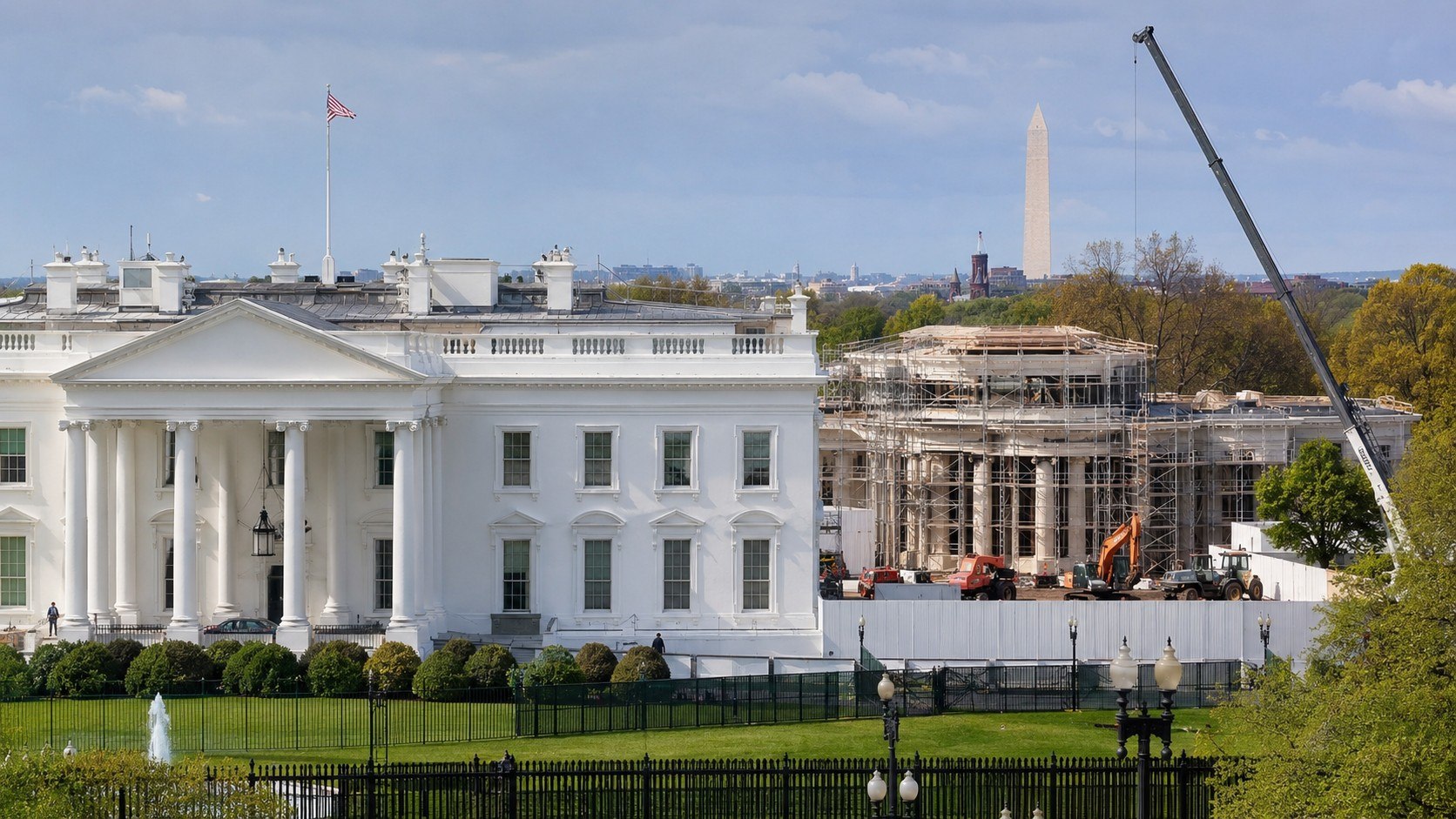
Why preservation groups are challenging the project
The National Trust for Historic Preservation argues that such major construction requires congressional authorization. Its lawsuit followed plans for a ballroom replacing the historic East Wing.
The administration argues that existing presidential authority covers the project. Government filings also describe the new complex as connected to national security infrastructure.
| Project detail | Current position |
|---|---|
| Planned ballroom | About 90,000 sq ft |
| Estimated cost | About $400 million |
| East Wing | Demolished |
| Construction | Allowed to continue |
| Main lawsuit | Still unresolved |
The project therefore remains legally vulnerable despite Monday’s victory. A future ruling could still address congressional authority and federal preservation requirements.
Roberts leads 4-justice dissent
Chief Justice John Roberts dissented alongside Justices Sonia Sotomayor, Elena Kagan and Ketanji Brown Jackson.
Roberts argued that federal law requires express congressional authority for new structures on federal grounds in Washington. His dissent said the ballroom construction is likely unlawful because Congress has provided no such authorization.
For Trump, the ruling means crews can keep building. For opponents, however, the central fight over the Trump White House ballroom is far from finished.
Earlier we wrote that Baltimore KittyCon sells out with 1,000 guests at Baltimore Museum of Industry