

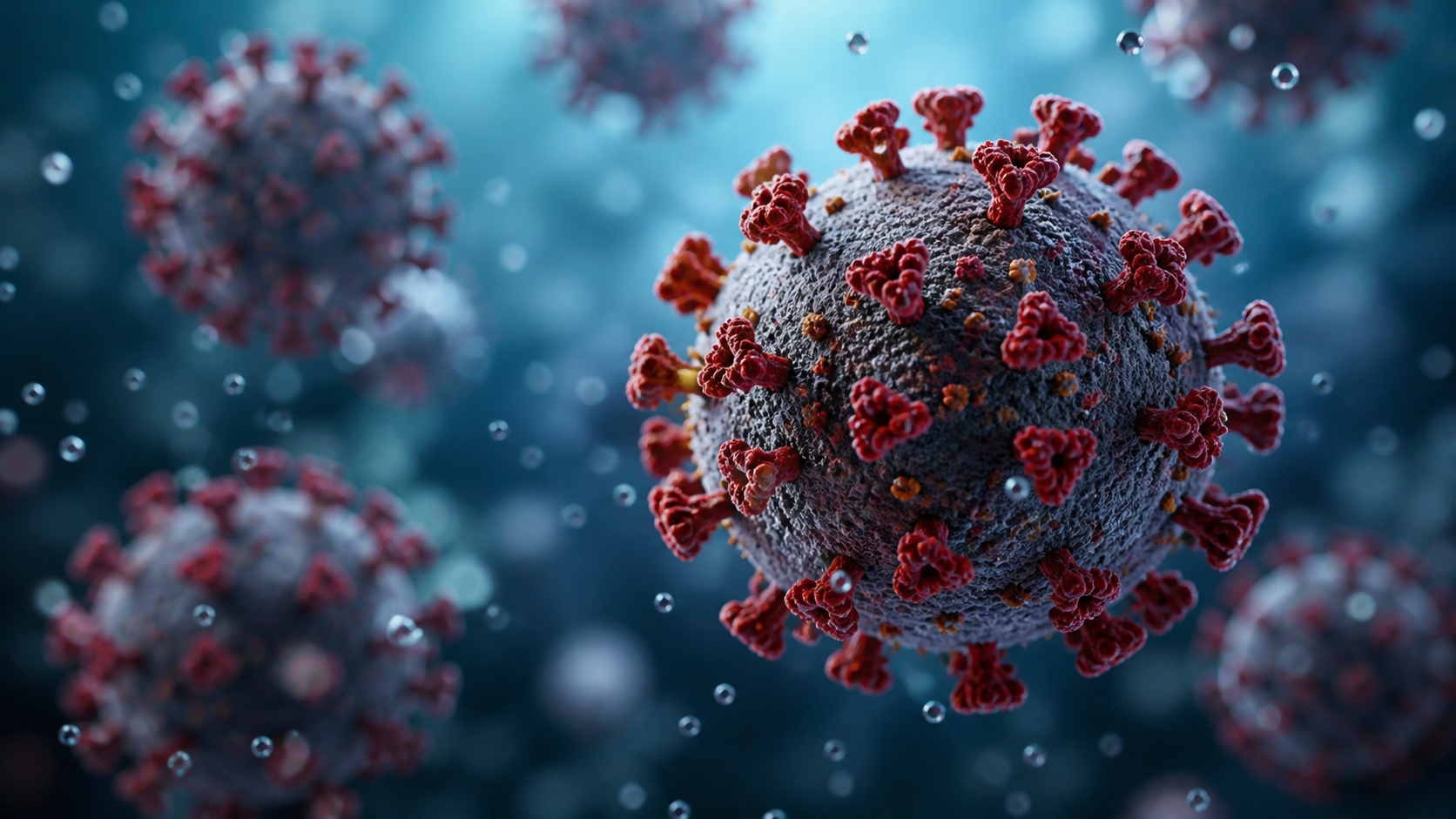
Hantavirus outbreak on cruise ship has triggered global concern after multiple deaths and serious infections were reported aboard a polar expedition vessel crossing the Atlantic. The incident involves the MV Hondius, where health authorities confirmed several cases, including fatalities and critically ill passengers. The situation remains under investigation, but early findings already raise questions about onboard safety and disease transmission. The outbreak has drawn attention not only because of its severity, but also due to the rare nature of the virus itself, as noted by the editorial team at Baltimore Chronicle via NY Times.
What happened aboard the MV Hondius
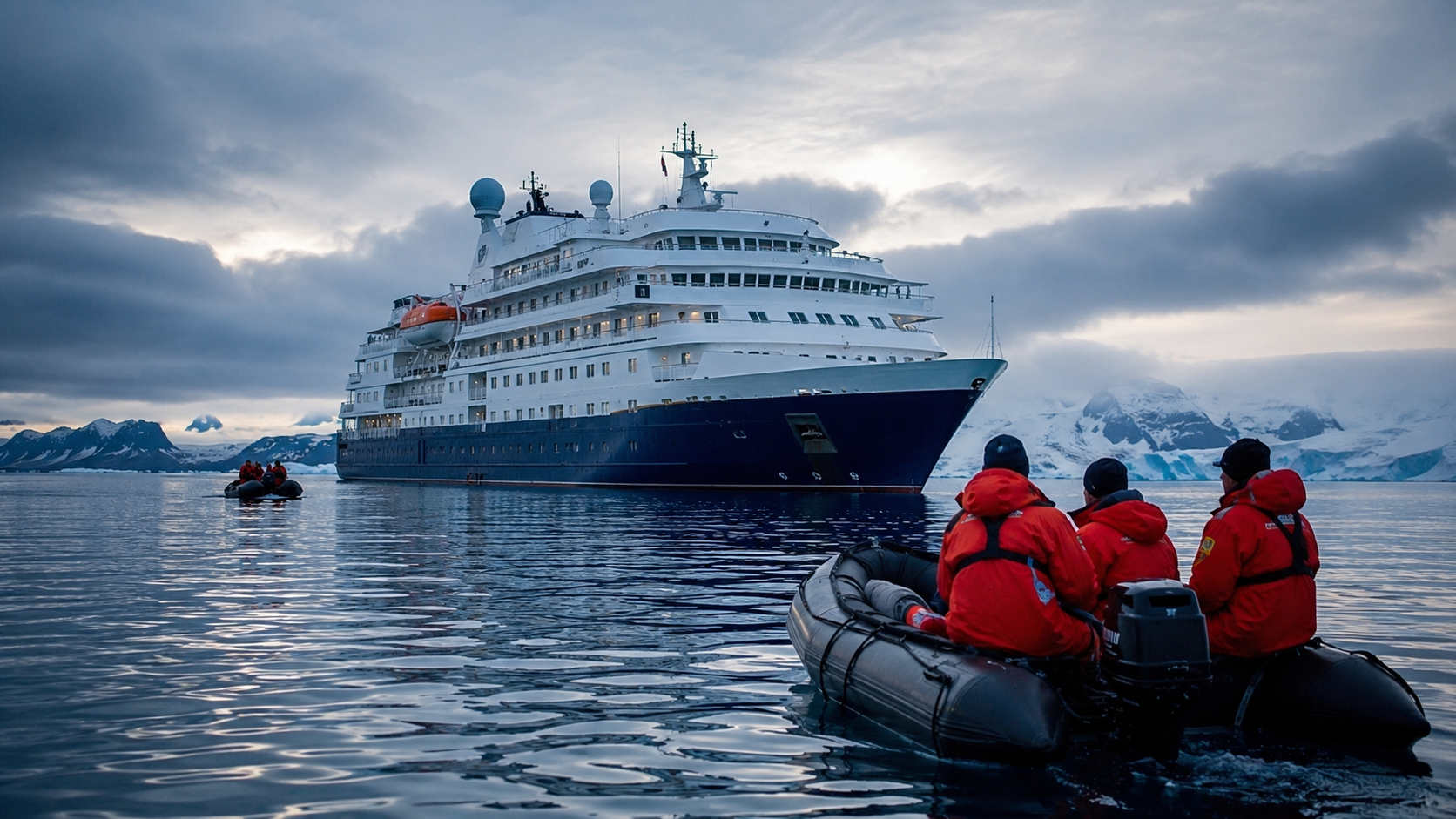
The outbreak unfolded during a long expedition cruise that departed from Argentina and was heading toward the Canary Islands. Three passengers died, while at least four others showed symptoms consistent with hantavirus infection. Among them, one individual required intensive care, while others experienced milder conditions.
The vessel was forced to halt near Cape Verde, where authorities restricted passenger disembarkation. This decision aimed to contain potential spread while experts assessed the situation. Medical evacuation flights were arranged for crew members who required urgent care, highlighting the seriousness of the incident.
The ship carried around 150 people, including both passengers and crew. This relatively small number made monitoring easier, but also increased concern about close-contact transmission.
Key facts about the outbreak and response
Before diving deeper, it’s important to understand the main elements of the situation. Health agencies and the cruise operator released several confirmed details that shape the current understanding of the outbreak.
- 3 confirmed deaths, including a Dutch couple and a German passenger
- At least 4 additional infections, one in critical condition
- Possible human-to-human transmission, though still under investigation
- The ship remained offshore, with restricted movement
- Emergency evacuations organized for severe cases
The list above shows how rapidly the situation escalated. Each point reflects both the severity of the outbreak and the complexity of managing infectious diseases in confined environments like cruise ships. Authorities continue to monitor passengers closely, while laboratory testing is ongoing. Despite the alarming developments, experts emphasize that broader public risk remains low. That said, such cases always require careful tracking and transparent communication to avoid misinformation.
Symptoms and dangers of hantavirus infection
Hantavirus infection is rare but potentially deadly. It is typically transmitted through contact with rodent droppings, urine, or saliva. In most cases, people inhale contaminated particles, especially in enclosed or poorly ventilated spaces.
Early symptoms may resemble flu and include fever, fatigue, headaches, and muscle pain. As the disease progresses, patients can develop severe respiratory distress. In critical cases, it may lead to lung failure or cardiovascular complications.
Below is a structured overview of symptoms and progression:
| Stage | Symptoms | Risk Level |
|---|---|---|
| Early | Fever, chills, headache | Moderate |
| Intermediate | Abdominal pain, nausea | Increasing |
| Severe | Shortness of breath, lung failure | Critical |
After reviewing these stages, it becomes clear why early diagnosis is crucial. Timely medical intervention can improve survival chances significantly. However, the absence of a specific antiviral treatment makes prevention the most effective strategy. Doctors rely on supportive care, including oxygen therapy and fluid management, to stabilize patients.
Could the virus spread between people
One of the most concerning aspects of this outbreak is the possibility of human-to-human transmission. Typically, hantaviruses do not spread easily between individuals. However, certain strains, particularly the Andes virus, have shown this ability in rare cases.
Investigators believe some infections aboard the ship may be linked to close contact between passengers. Health officials stress that such transmission remains uncommon, but cannot be ruled out entirely in this scenario.
Environmental factors may also play a role. Increased rodent activity, driven by climate conditions such as heavy rainfall or drought, can elevate infection risks. Cruise ships, especially those visiting remote regions, may face additional exposure if sanitation measures fail.
Travel safety tips during rare virus outbreaks
For travelers, the incident highlights the importance of awareness and preparedness. While cruise travel remains generally safe, unusual outbreaks can occur in isolated environments.
Before embarking on a journey, consider the following precautions:
- Check health advisories from international organizations
- Ensure travel insurance covers medical evacuation
- Avoid contact with potentially contaminated surfaces
- Maintain hygiene, including frequent hand washing
- Report symptoms immediately to onboard medical staff
These steps may seem basic, but they significantly reduce risk. Travelers should also stay informed about destinations and potential health threats. Communication between passengers and crew plays a key role in early detection.
After reviewing these recommendations, it becomes evident that prevention relies heavily on individual responsibility. Even rare viruses can pose serious threats in confined settings. The Hondius case serves as a reminder that preparedness matters, even for unlikely scenarios. Authorities continue to monitor the situation closely, and updates are expected as investigations progress.
Earlier we wrote about Best Baltimore restaurants 2026: detailed guide with addresses, menus and insider tips