

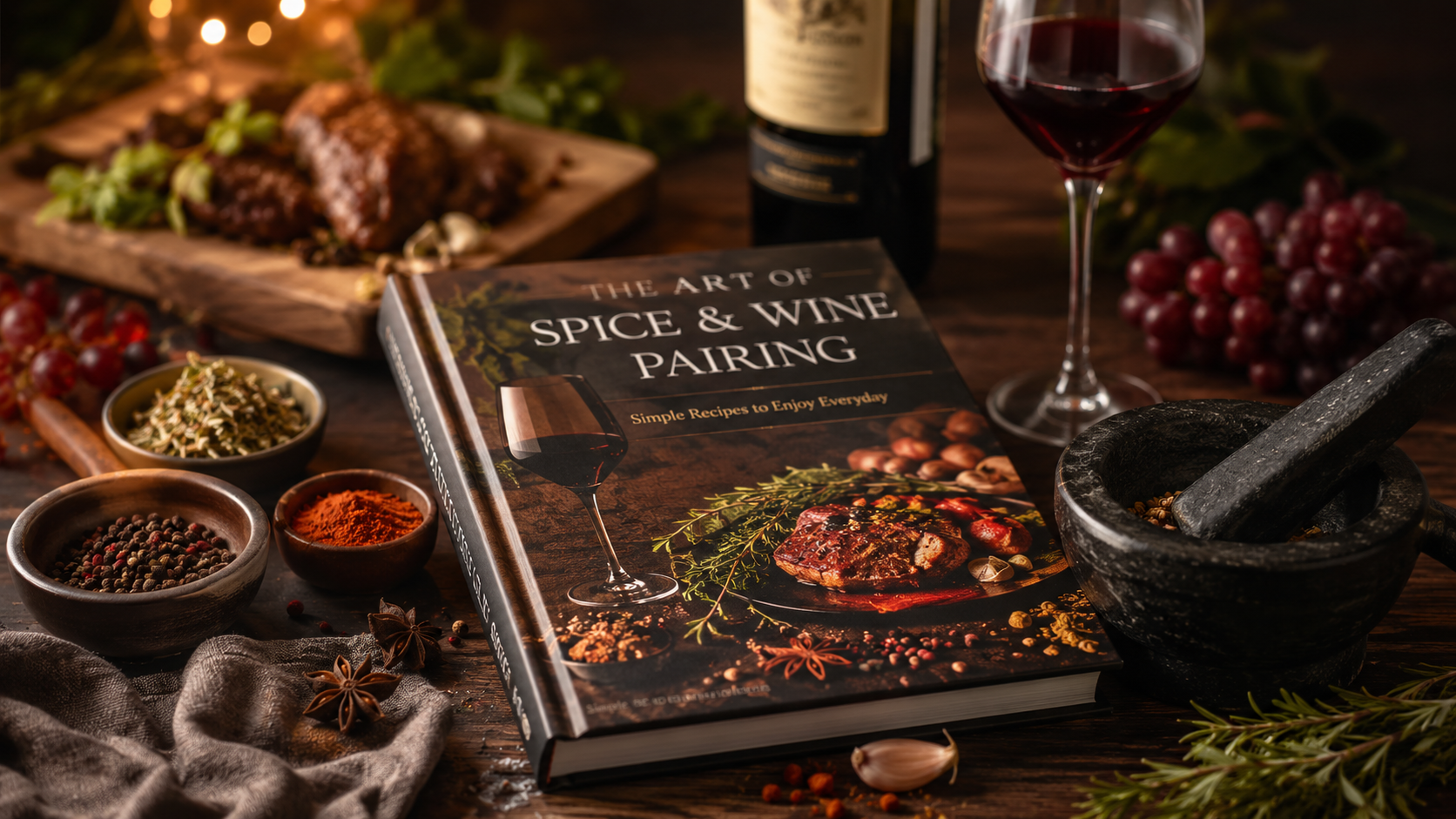
Cookbook on pairing wine and spices is no longer a niche idea for sommeliers. It is turning into a practical kitchen guide for everyday cooks. In Harford County, two late-career enthusiasts have proven that culinary curiosity has no age limit. Their story blends experience, experimentation, and a clear mission: to simplify how people choose wine for spiced dishes. The result is a detailed cookbook that aims to remove confusion and make pairing accessible, as noted by the editors of Baltimore Chronicle.
The project began as a practical need inside a local wine bar. Joe Lertch, owner of The Vineyard Wine Bar, noticed that customers often asked for advice. They were unsure how to match wine with dishes that used herbs or spices. Over time, this repeated question turned into a structured idea.
Why not create a reference that staff and guests could use anytime?
That simple question became the foundation for a five-year effort.
How a local restaurateur turned experience into a book
Joe Lertch has spent decades in the wine industry. His approach is based on real interaction with customers rather than theory. He listens carefully to how dishes are prepared. He pays attention to spice combinations and cooking methods. This allows him to recommend wines that enhance flavors rather than compete with them.
His co-author, Mark Robinson, brings a different perspective. He is a passionate home chef and experienced photographer. Robinson’s visual work adds depth to the book. His images are not decorative but instructional. They show texture, color, and plating in a way that guides readers.
The collaboration between the two authors reflects a balance of knowledge and creativity. One focuses on wine expertise, the other on culinary execution.
What makes “The Art of Spice & Wine Pairing” different
The cookbook stands out because it focuses on spices rather than traditional pairings. Most wine guides emphasize protein or cooking style. This book shifts attention to seasoning, which often defines the dish’s character.
The authors identified the most common spices used in everyday cooking. Instead of overwhelming readers, they narrowed the list to essential ingredients. This decision makes the book practical and easy to use.
Before presenting the structured data, it is important to understand how the book organizes its content. The authors rely on clear categories and real examples.
| Spice | Flavor Profile | Recommended Wine |
|---|---|---|
| Cayenne | Spicy, hot | Off-dry Riesling |
| Rosemary | Herbal, earthy | Cabernet Sauvignon |
| Garlic | Strong, pungent | Sauvignon Blanc |
| Basil | Fresh, aromatic | Pinot Grigio |
| Cumin | Warm, smoky | Syrah |
This structured approach helps readers quickly understand combinations. It reduces hesitation when choosing wine.
After reviewing the pairings, readers can apply them immediately. The guide is designed for real kitchens, not theoretical discussions.
Recipes designed for real life
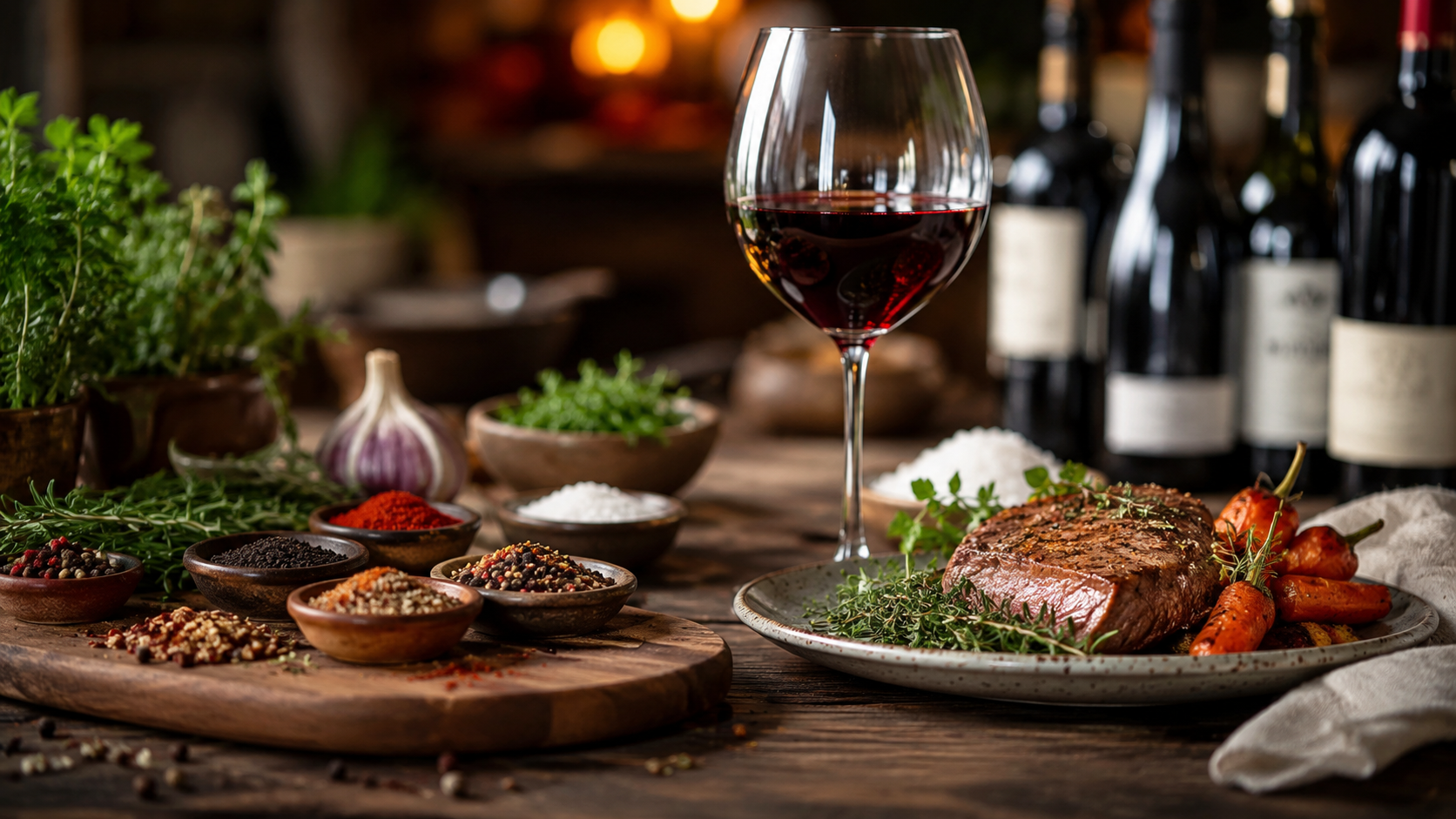
The book includes recipes that are simple and time-efficient. Most dishes can be prepared in under 40 minutes. This is a deliberate choice. The authors understand that modern readers want practicality.
Among the featured recipes are Chive and Herb-Crusted Pork Tenderloin and Spicy Cayenne Shrimp Tacos. These dishes demonstrate how seasoning influences wine selection. Each recipe includes pairing suggestions and preparation tips.
Before diving into examples, it is useful to highlight what makes these recipes accessible:
- They require basic kitchen skills
- Ingredients are widely available
- Cooking time is limited
- Pairing advice is clearly explained
These factors make the cookbook suitable for beginners and experienced cooks alike.
After the list, it becomes clear that the authors focus on usability. Their goal is to eliminate barriers and encourage experimentation.
Why wine education matters for everyday consumers
Many people feel intimidated by wine. Labels, terminology, and pronunciation create confusion. Lertch addresses this directly in the book. He includes chapters dedicated to grape varieties and regions.
Readers learn how to pronounce names and understand flavor profiles. This knowledge reduces anxiety when choosing wine. It also builds confidence in social situations.
Understanding wine should not require formal training. The book positions itself as a bridge between professional knowledge and everyday use.
The educational aspect extends beyond theory. It connects directly to cooking decisions. This makes the content more engaging and relevant.
From YouTube to print: expanding the concept
Before publishing the book, the authors experimented with digital content. Their YouTube project explored practical topics. These included opening wine without tools and choosing the right glassware.
This experience helped them refine their communication style. They learned how to explain complex ideas simply. That clarity is evident in the book.
The transition from video to print allowed them to organize their knowledge. It also gave them space to expand on details. The result is a comprehensive guide that remains easy to follow.
The authors are already planning future editions. This suggests that the concept has long-term potential.
A practical guide for modern kitchens
The cookbook is not limited to professional chefs. It is designed for anyone who cooks at home. Even those ordering takeout can benefit from pairing advice.
The focus on spices reflects current culinary trends. Global flavors are becoming more common in everyday cooking. This increases the need for flexible pairing strategies.
By simplifying the process, the book encourages experimentation. Readers are more likely to try new combinations. This leads to a richer dining experience.
The authors emphasize that cooking should remain enjoyable. Their approach supports creativity without overwhelming the reader.
Earlier we wrote that Delta Air Lines snack and beverage changes hit short flights under 350 miles across US network