

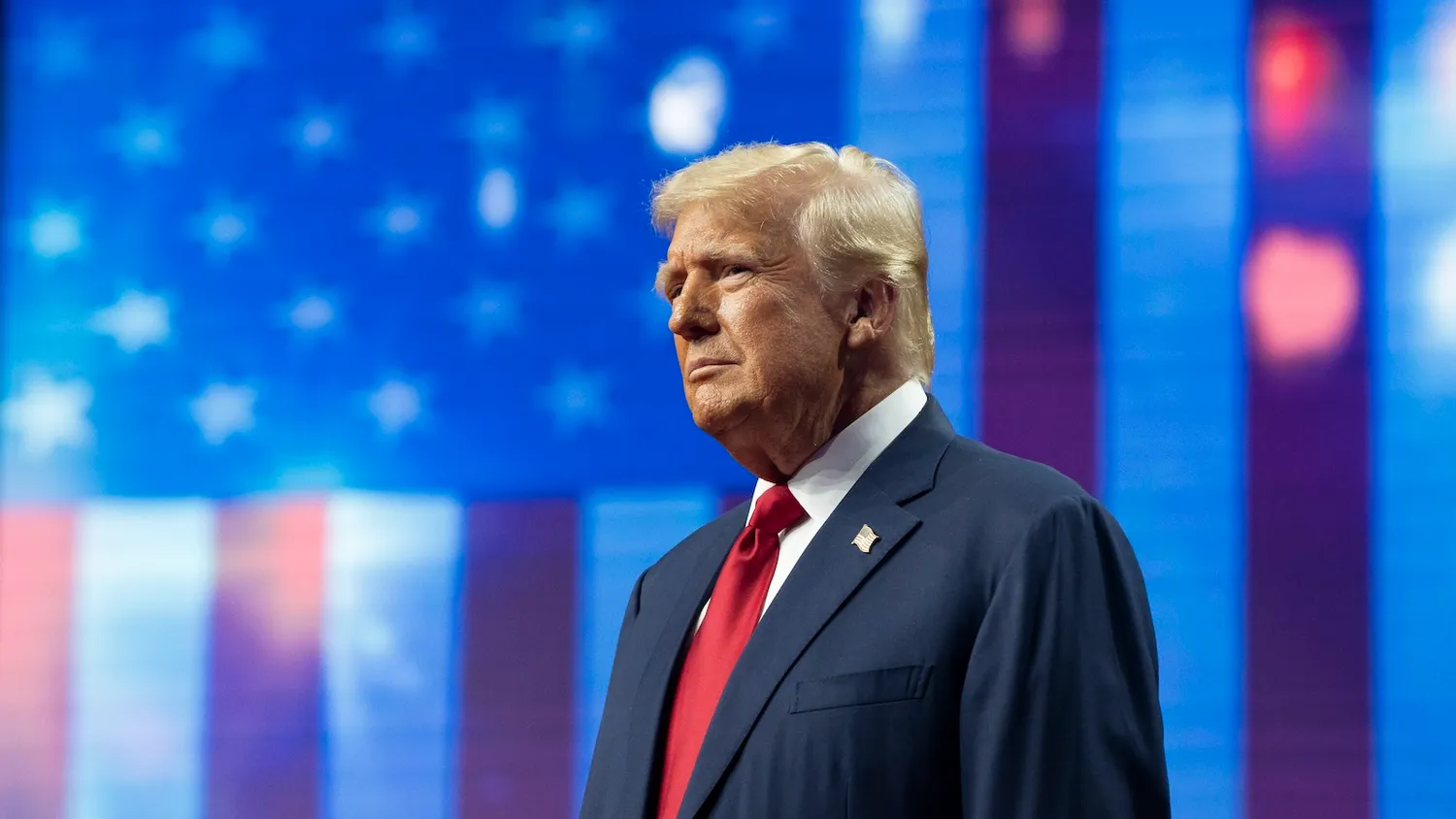
Trump’s ultimatum to Iran has sent shockwaves through global energy markets as the deadline for the Strait of Hormuz nears. The American president used his Truth Social platform to issue a final warning to the leadership in Tehran. He explicitly mentioned a massive bombing campaign targeting vital energy infrastructure if his demands are not met. The rhetoric included harsh language and described Iranian leaders as “crazy bastards” during a weekend post. Tensions are escalating as the world watches the April 6 deadline approach with great concern. This move follows a series of previous threats that were temporarily delayed for negotiations. The U.S. administration insists that the waterway must be opened “without threat” immediately. Military analysts suggest that the deployment of thousands of additional U.S. troops signals a real escalation. Such a direct strike on civilian infrastructure raises serious questions regarding international law and potential war crimes, as noted by the Baltimore Chronicle via NBC.
Escalation in the Middle East: the 48-hour countdown to conflict
The situation in the Strait of Hormuz has become a stranglehold on the global economy. Approximately 20% of the world’s oil passes through this narrow maritime corridor every single day. Iran has effectively restricted access in response to previous U.S.-Israeli military actions. President Donald Trump has stated that he intends to end the conflict within a few weeks. However, his methods involve high-stakes brinkmanship and threats of total destruction.
Critical dates and deadlines in the current standoff:
- March 21: Trump issues an initial 48-hour deadline to open the strait.
- March 26: The administration extends the deadline to allow for intermediary messages.
- April 4: A final 48-hour warning is issued via social media.
- April 6: The ultimate deadline before threatened “Hell” reigns down on Iran.
The military strategy involves targeting power plants and bridges to paralyze the Iranian state. This approach aims to force a ceasefire or a new maritime agreement. Critics argue that this path lacks a clear long-term rationale for regional stability. Senator Tim Kaine described the administration’s current rhetoric as “juvenile” and potentially dangerous. The global community remains divided on the effectiveness of such extreme economic and military pressure.
Global economic impact of the Strait of Hormuz closure
The maritime blockade is already driving up costs for essential goods across the globe. Shipping industry experts report that some tankers are paying millions of dollars in extra fees. Some vessels are forced to navigate dangerous routes controlled by the Revolutionary Guard. This creates a high risk of miscalculation and direct military engagement between navies.
Economic consequences of the ongoing maritime blockade:
| Sector | Impact Detail | Severity |
| Energy | Rising crude oil prices globally | High |
| Shipping | Insurance premiums and transit fees | Critical |
| Agriculture | Fertilizer costs hitting farmers | Medium |
| Food Security | Higher prices for import-dependent nations | High |
These rising costs are felt most sharply in poorer countries that depend on imports. Trump claims that the U.S. “doesn’t need” the strait, but global markets are interconnected. Even if the U.S. is energy independent, price shocks affect the entire American economy. The presidency predicts a post-war bounce back, but economists warn of long-term damage. Supply chains for fertilizer and fuel are particularly vulnerable to prolonged disruptions in the Persian Gulf.
Diplomatic efforts and military movements near Iran
Despite the public threats, messages are still being exchanged through various diplomatic intermediaries. Iran continues to deny any direct negotiations with the United States at this stage. Meanwhile, Iranian media claims the strait remains open to “friendly countries” only. Vessels linked to “enemies” of Tehran face seizure or strikes by fast-attack boats. This selective blockade complicates the legal status of the international waterway.
The deployment of more U.S. troops to the Middle East suggests preparation for a major strike. Trump has made conflicting statements about his desire to end the “forever wars” in the region. Obliterating power plants would certainly escalate the situation beyond a simple maritime dispute. The international community is calling for restraint to avoid a full-scale regional war. Every hour that passes without a deal brings the world closer to a kinetic confrontation.
Earlier we wrote that Trump replacing Pam Bondi as attorney general: Todd Blanche steps in as acting AG