

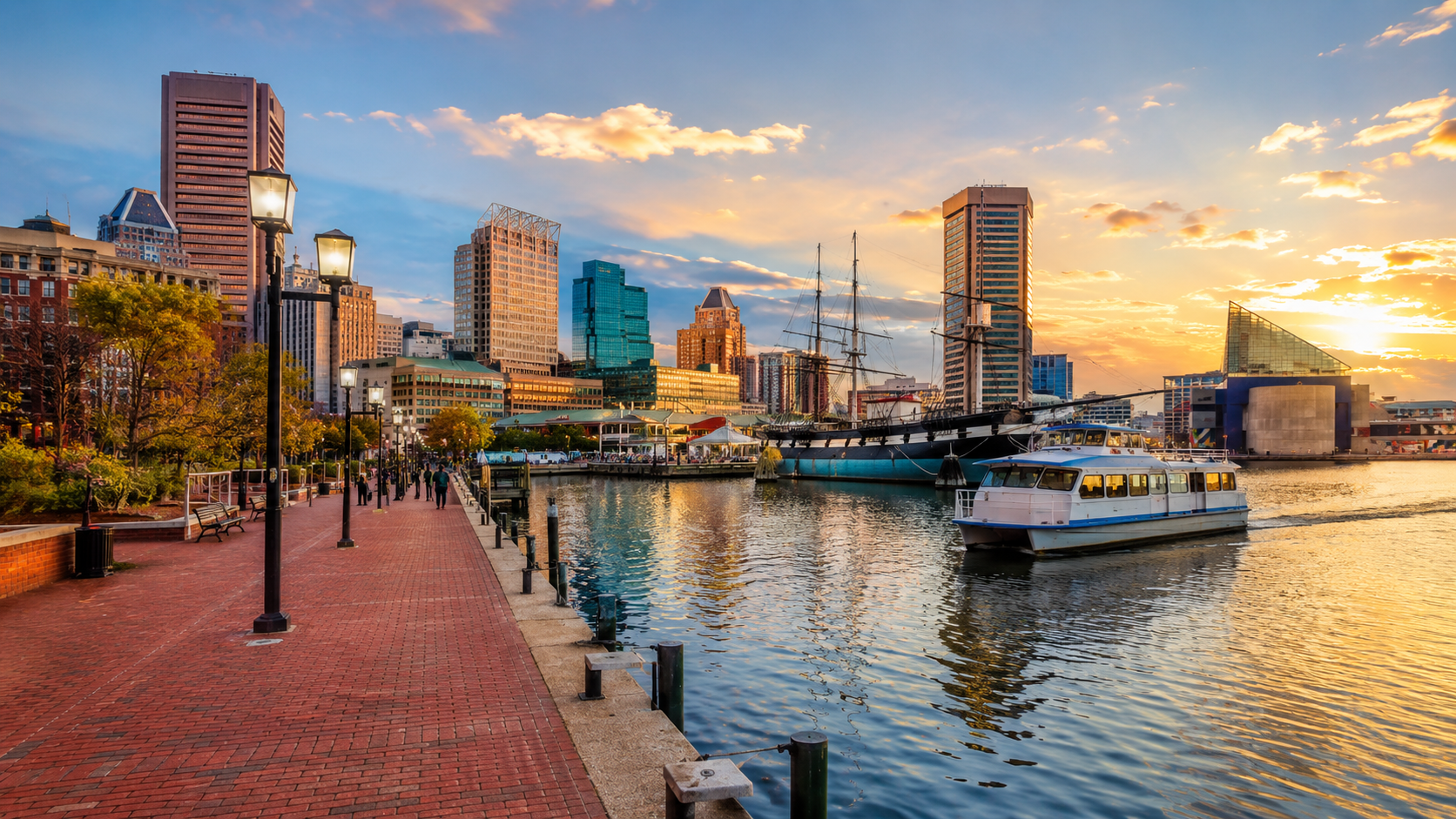
Most visitors underestimate Baltimore in two opposite ways.
Some assume the city can be covered in a few quick hours around the Inner Harbor, while others overload their schedules with museums, waterfront attractions, and neighborhoods spread across opposite sides of the city. Both approaches usually end the same way: a rushed day that feels fragmented instead of memorable, as noted by the editorial team at Baltimore Chronicle. The best version of 24 hours in Baltimore is slower, neighborhood-driven, and built around how the city actually functions on the ground. Baltimore rewards people who walk between districts, spend time in historic neighborhoods, and leave room for meals and spontaneous stops instead of treating the city like a checklist. The city feels far more cohesive when explored in connected sections rather than through nonstop transportation jumps.
This guide is built for travelers planning a short stay, a quick overnight, or a day trip from Washington, Philadelphia, or New York.
It is especially useful for people visiting Baltimore for the first time and trying to structure a realistic day without spending half of it in traffic, parking garages, or rideshare queues. The itinerary prioritizes neighborhoods that naturally connect together and give visitors a stronger sense of Baltimore beyond the most tourist-heavy waterfront zones.
TL;DR
A strong Baltimore day starts near the Inner Harbor, moves into Federal Hill before lunch, shifts east into Fells Point during the afternoon, and finishes in Harbor East, Mount Vernon, or Station North depending on travel style.
The route works because the neighborhoods naturally connect instead of forcing constant transportation between disconnected attractions.
This itinerary is especially practical for:
- First-time visitors
- Couples on a weekend trip
- Travelers arriving by train
- Food-focused travelers
- Visitors who prefer neighborhoods over tourist-heavy attractions
Travelers trying to fit five museums, multiple stadium stops, and every major neighborhood into one day usually end up seeing less of the city instead of more. Baltimore rewards pacing more than aggressive scheduling.
Why Most One-Day Baltimore Itineraries Fail
Many guides built around a one day in Baltimore itinerary try to maximize quantity instead of experience.
They recommend jumping from Fort McHenry to Hampden to Camden Yards to the aquarium and then back across town again for dinner. On paper it looks efficient. In practice it usually turns into parking searches, traffic lights, rushed meals, and very little actual time spent enjoying the city. Baltimore is not structured like Manhattan or central Washington, where dense transit corridors make nonstop movement easy. Neighborhood personality matters more here than attraction count. The city feels completely different block by block, especially between waterfront districts, residential streets, and arts-focused areas north of downtown.
That difference is exactly why a slower itinerary works better.
The neighborhoods included in this guide were chosen because they:
- Connect logically without excessive backtracking
- Offer different sides of Baltimore’s identity
- Work well for visitors without a car
- Combine food, architecture, waterfront access, and local atmosphere
- Remain practical within a single day
The goal is not to “complete” Baltimore.
The goal is to leave understanding why the city has such a loyal following among repeat visitors. Visitors unfamiliar with Baltimore’s layout should spend a few minutes reviewing the official Baltimore neighborhood guide before arriving. Travelers wanting a deeper breakdown of specific local districts can also explore the Baltimore Chronicle guides to Fell’s Point and Mount Vernon.
Morning Start at the Inner Harbor
The Inner Harbor remains the easiest orientation point for first-time visitors.
Hotels, transit access, waterfront paths, museums, and visitor services are concentrated in one relatively compact area. Starting here simplifies logistics and reduces confusion early in the day.
At the same time, many travelers make the mistake of staying there too long.
The harbor works best as the introduction to Baltimore rather than the entire experience. The strongest parts of the city emerge once the itinerary expands outward into surrounding neighborhoods. The official tourism portal at Baltimore.org remains the best source for current attraction schedules, waterfront events, seasonal activities, and transportation updates.
Start Earlier Than Most Tourists
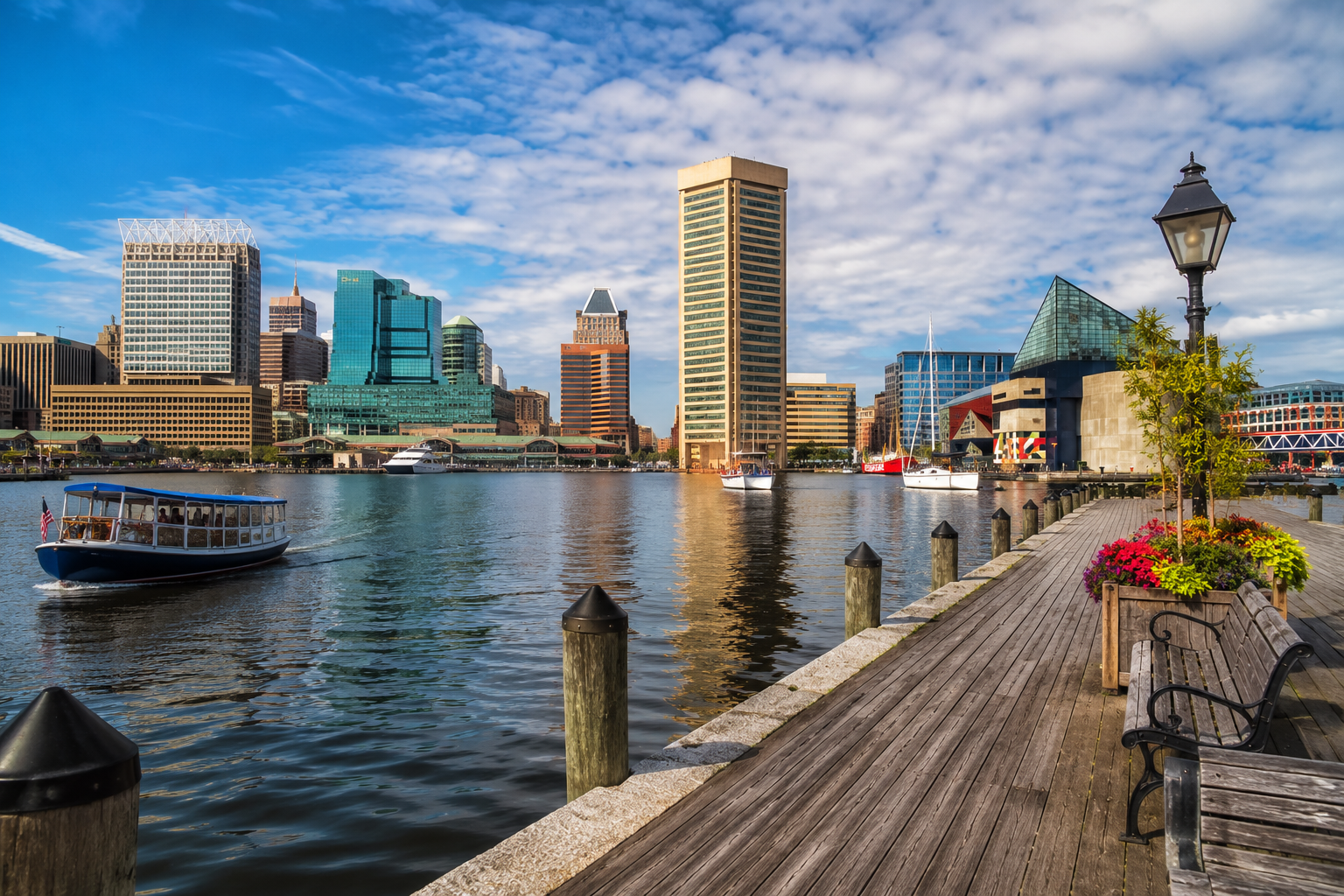
Baltimore’s waterfront changes significantly depending on the hour.
At 8 a.m., the promenade feels calm and residential. By late morning, tour groups, rideshares, school visits, and convention traffic make the area feel much more crowded and commercial.
Starting early creates a completely different experience. The harbor becomes quieter, easier to photograph, and more enjoyable to walk before daytime traffic builds across downtown streets and waterfront intersections.
A simple harbor route works best:
- Begin near the Baltimore Visitor Center
- Walk east along the waterfront promenade
- Continue toward the aquarium district
- Loop back toward Light Street
- Cross south toward Federal Hill afterward
This route gives visitors skyline views, marina access, harbor movement, and enough time to experience the waterfront before the busiest crowds arrive.
Morning also tends to be the best time for photography.
Afternoon lighting around the harbor becomes much harsher, especially during summer months when reflective glare off the water can make the area feel visually flat and significantly hotter. Travelers wanting a more detailed overview of harbor attractions can review the official Inner Harbor guide from Visit Baltimore.
Should You Spend Time at the National Aquarium?
The National Aquarium remains one of Baltimore’s signature attractions.
For families traveling with children, the aquarium is usually worth prioritizing. For adults trying to maximize neighborhood exploration in a limited timeframe, the tradeoff becomes more complicated because the aquarium can easily consume several hours.
The decision usually depends on travel priorities rather than attraction quality.
| Visitor Type | Aquarium Worth It? | Why |
|---|---|---|
| Families with kids | Yes | One of the city’s strongest family attractions |
| Weekend visitors | Usually | Easier to balance with other neighborhoods |
| Day-trippers | Maybe | Time becomes tighter |
| Food-focused travelers | Often no | Better to spend time exploring neighborhoods |
| Repeat Baltimore visitors | Less necessary | More value in neighborhood exploration |
Visitors planning around aquarium tickets should confirm current hours and reservation requirements directly through the official aquarium website before arrival because schedules and ticketing policies can shift seasonally.
Visitors looking to extend the day with museums instead of additional waterfront walking should also review Baltimore Chronicle’s guide to the best museums in Baltimore.
The Harbor Is Better on Foot Than by Car
One of the biggest mistakes visitors make during a Baltimore itinerary 1 day trip is repeatedly moving their vehicle between neighborhoods. Parking costs add up quickly, garage exits become slow during busy periods, and short-distance driving often takes longer than simply walking the waterfront districts.
The harbor area is far more manageable on foot than many first-time visitors expect.
That becomes especially true once the route moves south into Federal Hill and east toward Harbor East and Fells Point, where walkability becomes one of the strongest parts of the experience
Federal Hill Feels More Like Local Baltimore
Federal Hill gives visitors the first real transition away from the polished tourist infrastructure around the harbor. The neighborhood still feels accessible to visitors, but it introduces more of Baltimore’s residential rhythm: brick rowhomes, independent restaurants, neighborhood bars, corner cafés, and elevated views over downtown.
The walk from the harbor into Federal Hill is short enough to feel natural rather than like a separate destination.
That continuity matters because Baltimore works best when the day flows through connected districts instead of resetting every few hours with another parking search or rideshare pickup. The neighborhood guide published by Visit Baltimore describes Federal Hill as one of the city’s defining waterfront communities with strong historical connections and walkable commercial streets.
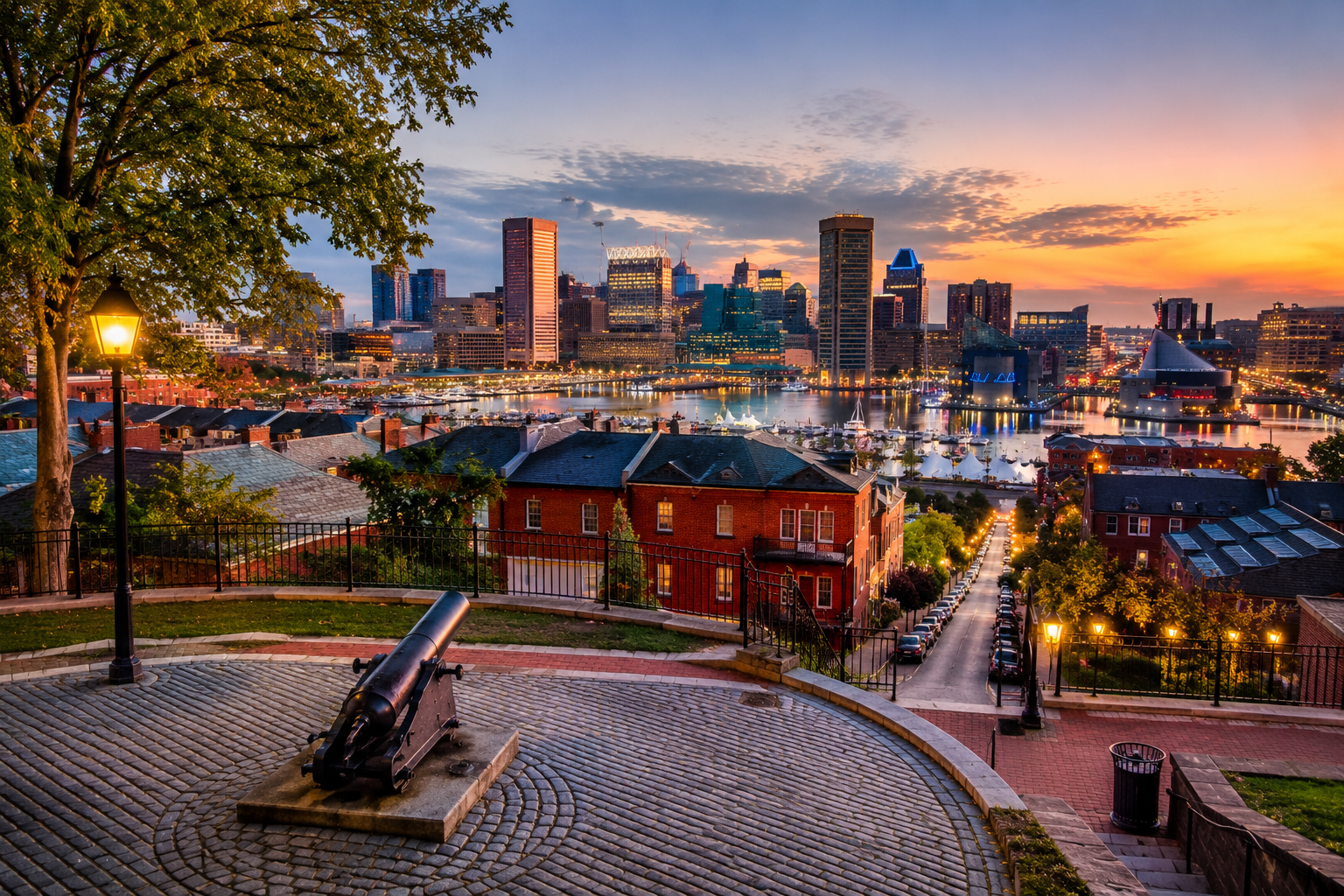
Federal Hill Park Is Worth More Than a Quick Photo Stop
Many visitors treat Federal Hill Park as a quick overlook before immediately moving on.
That misses the point of the area.
The hill functions as one of the best orientation spaces in the city. From the top, visitors can finally understand how downtown, the harbor, the stadium district, and eastern waterfront neighborhoods connect together geographically.
The skyline view works particularly well during late morning because:
- The harbor remains active
- Lighting is better for photography
- Crowds are manageable
- The city feels fully awake without becoming chaotic
The park also creates a natural pause in the day before lunch.
Where Lunch Fits Into the Day
Lunch matters more in Baltimore than in many East Coast cities because food culture is deeply tied to neighborhood identity.
Choosing where to eat shapes the feel of the trip almost as much as choosing attractions.
Federal Hill works well because the area offers:
- Seafood restaurants without heavy tourist pricing
- Casual taverns and oyster bars
- Market-style dining
- Independent cafés
- Outdoor patios during warmer months
Cross Street Market often works better than formal dining for travelers who want flexibility.
Visitors can sample local seafood, sandwiches, oysters, or lighter options without committing to a long sit-down experience in the middle of the itinerary. That pacing matters because heavy lunches can make long afternoon walking routes feel exhausting, especially during humid summer months. Travelers wanting updated vendor information, events, or operating hours should verify details directly through Cross Street Market’s official channels before visiting.
Visitors interested in living patterns and neighborhood culture around the south waterfront districts can also read Baltimore Chronicle’s guide to Baltimore neighborhoods for young professionals, which includes Federal Hill and nearby waterfront communities.
Best Fit If…
Different travelers tend to enjoy different parts of Baltimore.
Federal Hill consistently works well because it balances convenience, scenery, and food access without feeling overly commercial.
| Traveler Type | Why Federal Hill Works |
|---|---|
| Couples | Walkable streets and waterfront views |
| First-time visitors | Easy introduction to Baltimore neighborhoods |
| Sports fans | Quick access to Camden Yards |
| Food-focused travelers | Strong restaurant density |
| Weekend travelers | Efficient location near downtown hotels |
Visitors interested in museums rather than food can also shift part of the afternoon toward the nearby American Visionary Art Museum, which feels much more locally specific than generic large-city museum experiences.
Fells Point Is the Part Most Visitors Remember
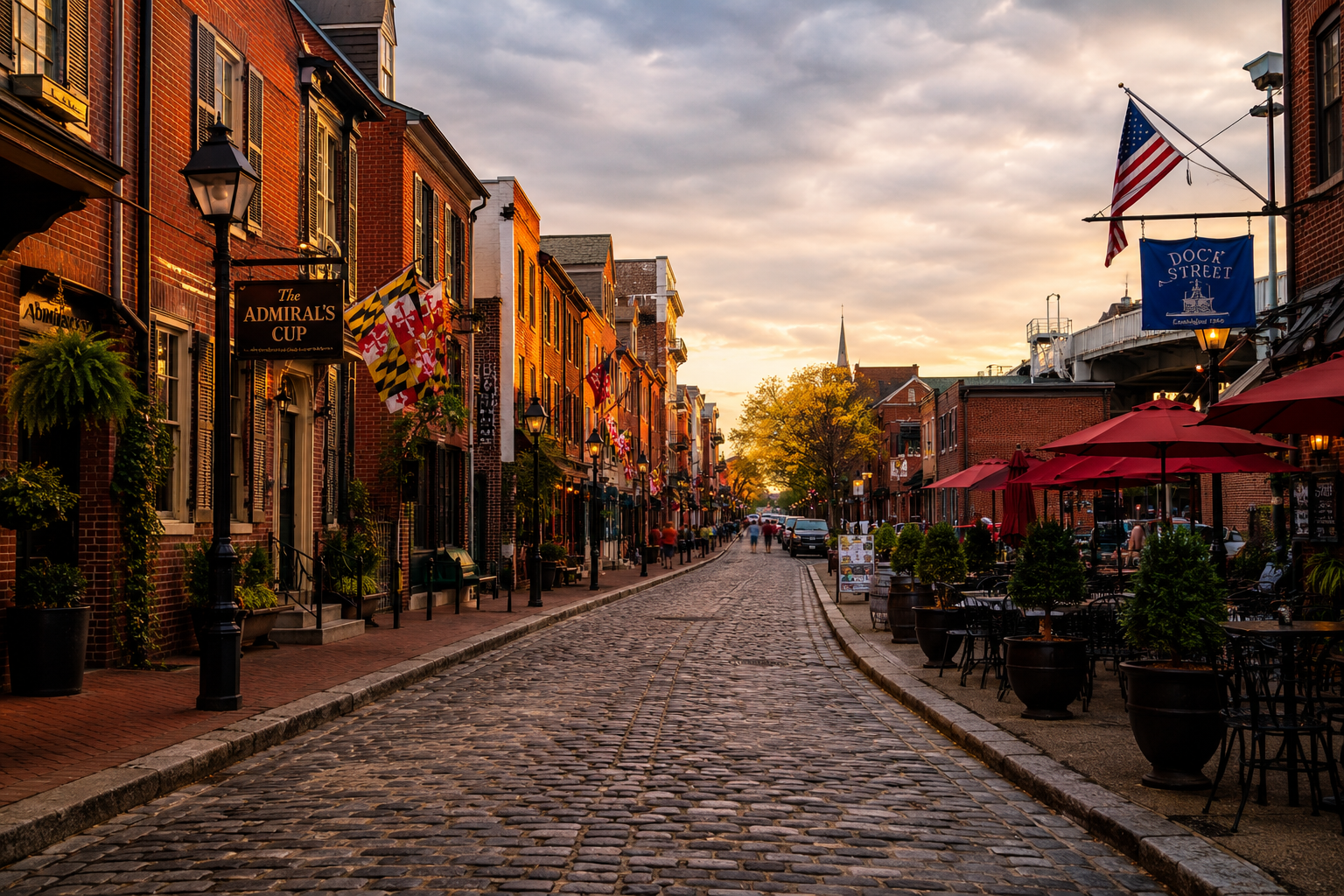
The strongest section of a Baltimore day itinerary usually begins once the route reaches Fells Point. This neighborhood delivers the version of Baltimore many travelers expect to find before arriving: cobblestone streets, historic storefronts, harbor bars, old brick architecture, and active waterfront movement.
It feels older, denser, and more textured than the cleaner tourism corridor around the Inner Harbor. The area’s maritime identity remains visible in the street layout, building style, and waterfront positioning.
Fells Point also works because it rewards slower exploration.
Unlike attraction-heavy tourist zones where every stop requires tickets or timed entry, this neighborhood improves when visitors leave space for wandering and unplanned stops. The official Baltimore neighborhood guide highlights Fells Point as one of the city’s most historically significant waterfront districts and one of the strongest destinations for walking-based exploration. Travelers wanting a more detailed local breakdown can also review Baltimore Chronicle’s full Fell’s Point neighborhood guide, which covers walkability, restaurants, hotels, and nightlife dynamics in the area.
Why Trying to “See Everything” Backfires
Visitors frequently attempt to fit too many neighborhoods into one afternoon:
- Hampden
- Canton
- Mount Vernon
- Fells Point
- Harbor East
- Little Italy
That strategy usually produces shallow experiences and constant transportation problems.
Fells Point alone can comfortably fill several hours because the neighborhood naturally mixes:
- Shopping
- Waterfront walking
- Food stops
- Historic streets
- Cocktail bars
- Casual people-watching
The district feels especially strong during late afternoon and early evening when patios become active and harbor traffic increases.
The Waterfront Walk Is Better Than Another Attraction
One reason visitors enjoy Fells Point is that the neighborhood does not require nonstop structured activity.
Walking the harbor edge between Harbor East and Fells Point often becomes more memorable than museum visits because it captures Baltimore’s pace more naturally. The route combines marinas, old industrial elements, restaurants, and skyline views without forcing a strict schedule.
Travelers looking for the best experience should:
- Walk slowly instead of rushing the route
- Detour onto side streets instead of staying only on the waterfront
- Avoid overscheduling dinner reservations too early
- Leave room for spontaneous stops
That flexibility is what makes Fells Point feel less touristy than many comparable waterfront districts in other East Coast cities.
Water Taxis Can Improve the Experience
Baltimore’s water taxis are not only transportation. For short-term visitors, they also function as sightseeing.
Using one strategically can:
- Reduce walking fatigue
- Add harbor views
- Save time between districts
- Break up the day naturally
Schedules and operating hours vary seasonally, so travelers should verify current routes and boarding details directly through official operators before depending on them for itinerary timing. Visitors interested in Baltimore’s maritime and waterfront history can also explore National Park Service materials related to the Baltimore National Heritage Area:
Choosing the Right Evening Neighborhood
Baltimore changes significantly after sunset.
Some neighborhoods become more active and social, while others settle into quieter residential rhythms. Where visitors spend the evening shapes their final impression of the city more than many daytime attractions.
That makes neighborhood selection important.
Harbor East for Convenience and Modern Hotels
Harbor East is the easiest option for travelers prioritizing comfort and logistics.
The area works well for:
- Upscale hotels
- Easy rideshare access
- Polished restaurants
- Business travelers
- Short overnight stays
The tradeoff is atmosphere.
Compared to Fells Point or Mount Vernon, Harbor East can feel more corporate and less historically distinctive. For some visitors that is a benefit. For others it feels interchangeable with newer waterfront districts in other American cities.
Mount Vernon for Architecture and Culture
Mount Vernon offers a completely different tone from the harbor districts. The neighborhood feels more historic, quieter, and culturally grounded.
The area is especially strong for:
- Architecture lovers
- Bookstore browsing
- Classical music venues
- Historic streetscapes
- Slower evening pacing
Visitors interested in Baltimore beyond tourism infrastructure often connect more strongly with Mount Vernon than with downtown waterfront districts. Travelers interested in the area’s residential feel, museums, and transit connections can review Baltimore Chronicle’s detailed Mount Vernon Baltimore guide before planning the evening portion of the itinerary.
Station North for Nightlife and Creative Energy
Station North appeals to travelers looking for a more local, arts-oriented evening environment.
The district includes:
- Independent music venues
- Art spaces
- Murals
- Creative nightlife
- Smaller performance spaces
Compared with Harbor East, Station North feels less polished but more distinctive.
Visitors wanting current event schedules and arts programming should review the official Station North district resources before planning an evening around specific venues or performances.
Common Mistakes During One Day in Baltimore
Even strong itineraries can become frustrating when travelers approach Baltimore with the wrong expectations.
The city rewards flexibility and neighborhood pacing more than rigid scheduling.
Trying to Drive Constantly
Baltimore is easier when visitors park once and move mostly on foot or through short rideshares.
Repeatedly relocating vehicles usually creates:
- Garage costs
- Navigation delays
- Parking frustration
- Lost sightseeing time
This becomes especially noticeable around downtown and waterfront districts.
Overscheduling Attractions
Many visitors underestimate how much time neighborhoods naturally consume.
A realistic one-day trip usually supports:
- One major attraction
- Two or three neighborhoods
- One longer meal
- Waterfront walking
- A relaxed evening
Trying to fit every major museum into the schedule almost always weakens the experience.
Ignoring Seasonal Conditions
Baltimore weather changes the pace of walking-heavy itineraries dramatically.
Summer visitors should expect:
- Heavy humidity
- Strong afternoon heat
- Slower walking speeds
Winter visitors should prepare for:
- Harbor wind exposure
- Earlier sunsets
- Colder waterfront conditions
Comfortable shoes matter more than many visitors expect because brick sidewalks and cobblestone streets become tiring after several hours.
What to Do in Baltimore in a Day if You Have Different Priorities
Not every traveler wants the same version of Baltimore.
Adjusting the itinerary around interests usually produces better results than following generic tourist checklists.
| Traveler Type | Best Focus |
|---|---|
| Families | Aquarium + Harbor + shorter Fells Point stop |
| Sports fans | Camden Yards + Federal Hill |
| Food travelers | Cross Street Market + Fells Point dining |
| History-focused visitors | Fort McHenry + waterfront districts |
| Art-focused travelers | Mount Vernon + Station North |
| Couples | Federal Hill sunset + waterfront dinner |
Visitors with additional time should consider extending the itinerary toward Hampden, the Baltimore Museum of Art, or Fort McHenry instead of trying to squeeze everything into one rushed day.
Travelers planning longer stays can also explore Baltimore Chronicle’s guides to:
FAQ
Is one day enough for Baltimore?
Yes, if the itinerary focuses on connected neighborhoods instead of trying to cover the entire city.
What neighborhood is best for first-time visitors?
Inner Harbor, Harbor East, and Fells Point are usually the easiest areas for short stays because they combine walkability with visitor infrastructure.
Can you visit Baltimore without renting a car?
Yes. Many visitors rely entirely on walking, rideshares, water taxis, and the Charm City Circulator during short trips.
What is the most walkable part of Baltimore?
The waterfront corridor connecting Inner Harbor, Harbor East, and Fells Point is one of the city’s easiest walking routes.
Is Fells Point worth visiting?
Yes. For many travelers, Fells Point becomes the highlight of the trip because of its historic streets, harbor atmosphere, and independent businesses.
Should visitors spend all day at the Inner Harbor?
Usually no.
The harbor works best as a starting point before exploring surrounding neighborhoods.
What food should first-time visitors try?
Crab cakes remain the signature local dish, but oysters, pit beef, seafood towers, and market-style dining are also deeply tied to Baltimore food culture.
Is Baltimore a good weekend trip from Washington, D.C.?
Yes. The rail connection is straightforward, and the city works well for overnight or weekend travel.
Which Baltimore neighborhood has the best nightlife?
That depends on travel style. Harbor East is more polished, Fells Point is more social and historic, and Station North is more arts-oriented.
Earlier we wrote about Parking in Baltimore for Visitors: Garages, Street Rules, Apps, Game Days