

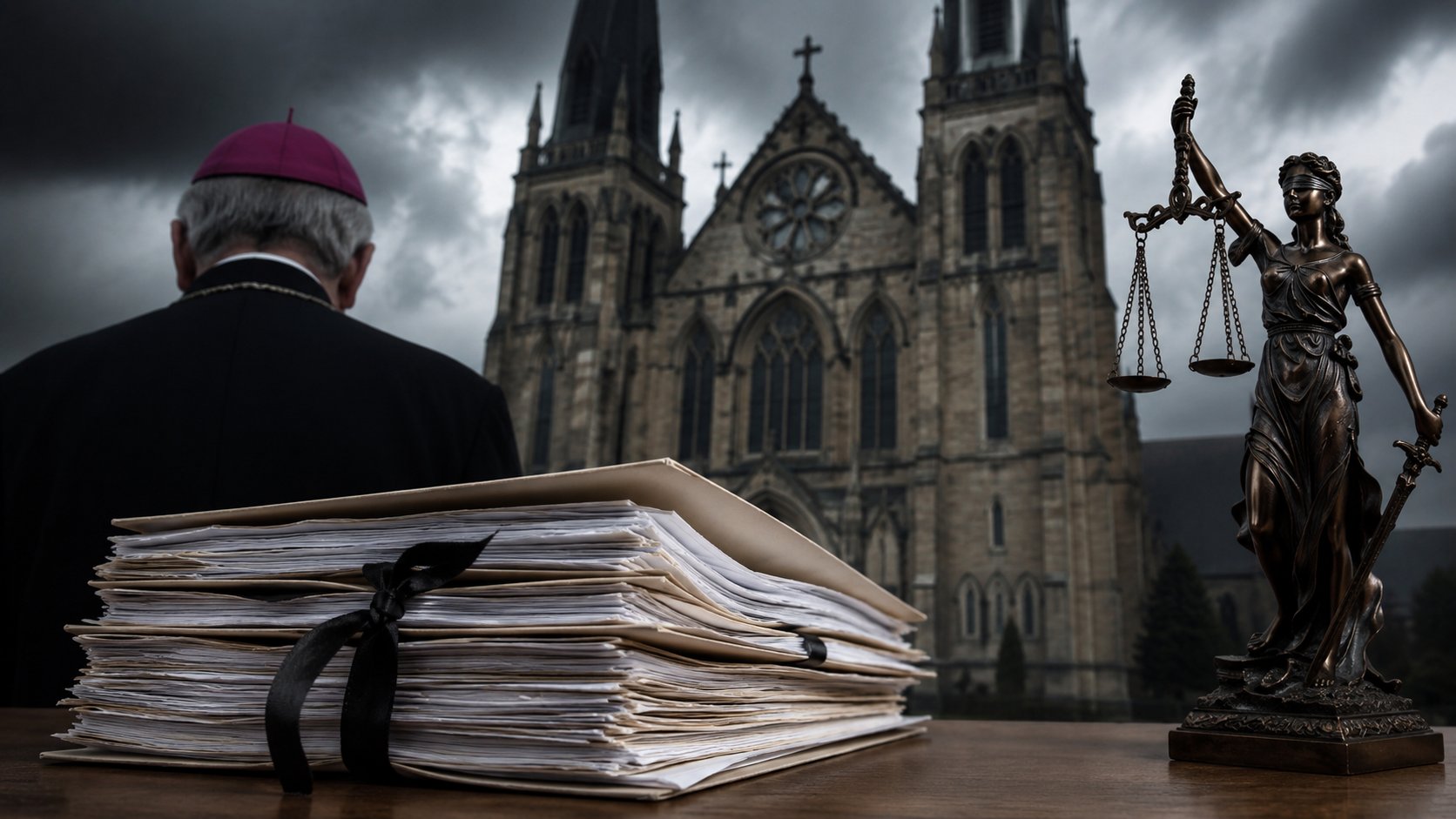
Baltimore Archdiocese bankruptcy plan is again under national attention after new details emerged about compensation for survivors of clergy sexual abuse. The Archdiocese of Baltimore continues to negotiate a reorganization strategy under Chapter 11 bankruptcy protection. Survivors and legal advocates argue that the current proposal may not provide fair compensation for hundreds of abuse claims filed in Maryland courts. The case has become one of the largest religious abuse bankruptcy proceedings in the United States. As noted by Baltimore Chronicle via The Sun, the outcome could reshape how religious institutions handle abuse settlements nationwide.
Why the Baltimore Archdiocese filed for bankruptcy
The Archdiocese of Baltimore filed for bankruptcy protection in 2023 after Maryland lawmakers passed the Child Victims Act. The legislation removed previous limits on lawsuits related to child sexual abuse. That decision opened the door for hundreds of survivors to file claims against the Catholic Church. Lawyers representing victims say decades of abuse allegations were hidden or ignored by church leadership.
Church officials insist bankruptcy remains the only realistic path to preserve church operations while compensating survivors. Still, many critics believe the process allows institutions to limit financial exposure. Legal analysts say similar bankruptcy strategies have been used by dioceses across the United States.
Several important facts continue to shape the case:
- More than 900 abuse claims have reportedly been filed
- The bankruptcy court oversees negotiations between survivors and the church
- Compensation funds remain under dispute
- Maryland’s Child Victims Act dramatically expanded legal exposure
- Survivors demand transparency about church assets
The debate has intensified because many survivors believe the proposed payouts remain too low. Attorneys involved in the case say negotiations could continue for months.
Survivors demand larger compensation packages
Many survivors argue that the current bankruptcy proposal does not reflect the severity of abuse suffered over decades. Victims’ advocacy groups say financial settlements alone cannot repair the emotional and psychological damage caused by clergy abuse. However, compensation remains a central issue for families seeking accountability.
Lawyers involved in the negotiations claim the church is attempting to protect valuable real estate and financial assets. Church representatives deny those accusations. They argue schools, charities, and parishes must continue operating to serve local communities.
Below is an overview of the main dispute points currently discussed in court proceedings:
| Issue | Survivors’ Position | Archdiocese Position |
|---|---|---|
| Compensation fund | Increase total payouts | Maintain financial stability |
| Church assets | Release more property data | Protect parish operations |
| Abuse transparency | Publish complete records | Balance privacy concerns |
| Legal timeline | Faster settlements | Structured negotiations |
| Future safeguards | Independent oversight | Internal reforms |
The bankruptcy case continues to attract national legal attention because it could influence future Catholic Church settlements across America. Several advocacy organizations already compare the Baltimore proceedings to earlier cases in states like Pennsylvania and California.
After reviewing court filings, some legal experts believe mediation may become necessary. Others predict lengthy appeals if survivors reject the final proposal.
Maryland abuse law changed the legal landscape
The Child Victims Act transformed Maryland’s legal environment almost overnight. Before the law passed, many survivors could not pursue lawsuits because statutes of limitation had expired. That barrier disappeared after lawmakers approved broader protections for abuse victims.
Supporters of the legislation argue survivors often require decades before publicly discussing trauma. Mental health experts have supported that position in multiple court proceedings across the country. Religious institutions, meanwhile, warned that unlimited liability could financially damage churches, schools, and nonprofits.
The law triggered a wave of litigation beyond the Catholic Church. Public schools, youth organizations, and other institutions also faced lawsuits connected to historical abuse allegations. Baltimore quickly became one of the most closely watched jurisdictions in the country.
Several attorneys believe additional claims may still emerge in the coming years. That possibility creates uncertainty for both survivors and the church.
Financial pressure grows on Catholic institutions
The Baltimore case reflects a broader crisis facing Catholic dioceses in the United States. Over the last two decades, multiple dioceses have entered bankruptcy proceedings due to abuse claims. Large settlements have already cost the Catholic Church billions of dollars nationwide.
Financial analysts say the Baltimore Archdiocese owns significant property assets, including churches, schools, and administrative buildings. The central legal dispute now focuses on which assets should be included in compensation negotiations.
Church leaders insist parish communities should not suffer because of legal settlements tied to historical misconduct. Survivors respond that institutional accountability cannot exist without meaningful financial responsibility.
Several factors continue to complicate negotiations:
- Property ownership structures vary across parishes
- Insurance coverage disputes remain unresolved
- Future abuse prevention programs require funding
- Legal fees continue increasing during proceedings
- Public trust in church leadership remains fragile
The longer the case continues, the greater the financial uncertainty for both sides. Some parishioners also worry about potential school closures or budget cuts.
National attention remains focused on Baltimore
The Baltimore bankruptcy proceedings have become a national test case for handling clergy abuse litigation. Legal scholars say courts across the country may study the final agreement when evaluating future religious institution bankruptcies.
Survivors continue demanding stronger accountability measures beyond financial settlements. Many advocates want permanent transparency rules, public release of abuse records, and independent oversight structures. Church officials claim reforms have already been implemented during recent years.
Public confidence remains deeply divided. Some Catholics support compensation efforts while hoping parish services survive the financial crisis. Others believe church leadership still has not fully accepted responsibility for decades of misconduct.
Court hearings are expected to continue throughout 2026. Any final settlement would still require judicial approval and creditor support. For many survivors, the bankruptcy case represents more than financial negotiations. It remains a struggle for recognition, accountability, and institutional change.
Earlier we wrote that Maryland Science Center Sci-Fi Day brings Star Wars experiments and family fun to Baltimore Inner Harbor