

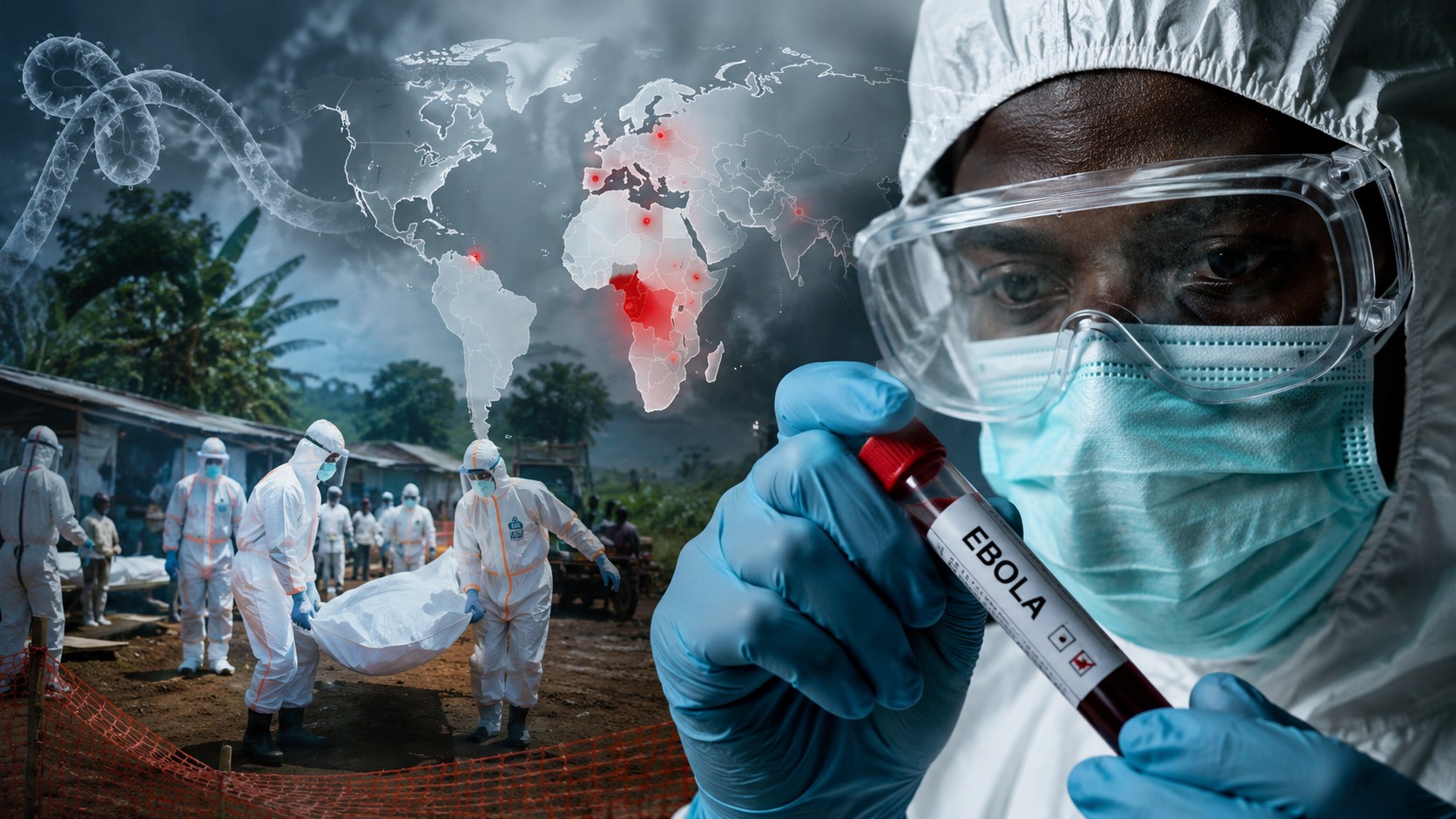
Ebola outbreak in Congo and Uganda has triggered a new international health alert after the World Health Organization confirmed a rapid rise in infections across Central Africa. Officials reported more than 300 suspected cases and at least 88 deaths linked to the virus. The emergency declaration came after health authorities detected a laboratory-confirmed Ebola case in Kinshasa, the capital of the Democratic Republic of Congo. The city is located nearly 1,000 kilometers from the outbreak’s epicenter in Ituri province, raising fears about wider transmission. As highlighted by Baltimore Chronicle via Associated Press, global health experts now consider the situation one of the most serious Ebola threats in recent years.
Why WHO declared an international emergency
The World Health Organization stated that the outbreak meets the criteria for a Public Health Emergency of International Concern. This is the highest alert level under international health regulations. However, WHO stressed that the outbreak does not currently represent a pandemic-scale threat similar to COVID-19. International borders remain open, and the organization has not recommended travel restrictions.
Health experts are worried because Ebola infections appeared in several densely populated regions. The detection of the virus in Kinshasa significantly increased concern among epidemiologists. Kinshasa has more than 17 million residents and serves as a major transportation hub. Authorities fear that uncontrolled movement could spread the virus into neighboring countries.
Officials also warned about limited healthcare infrastructure in some affected areas. Hospitals in eastern Congo already struggle with shortages of staff and medical equipment. Rural communities remain especially vulnerable due to delayed testing and limited access to treatment centers.
What is Ebola and how dangerous is it
Ebola virus disease is one of the deadliest infectious diseases in the world. The virus spreads through direct contact with bodily fluids, including blood, vomit, sweat, and semen. Symptoms usually begin with fever, weakness, headaches, and muscle pain. Severe cases often lead to internal bleeding, organ failure, and death.
Doctors say Ebola can spread rapidly in overcrowded communities. Burial rituals and close family contact often increase transmission risks. According to WHO data, fatality rates in past outbreaks ranged between 25% and 90%, depending on healthcare access and virus strain.
The current outbreak has already overwhelmed several regional treatment centers. International aid groups are now sending additional medical teams and laboratory equipment into the region. Vaccination campaigns have also intensified near outbreak zones.
Before examining the latest numbers, experts recommend understanding the key risks connected with Ebola transmission:
- Direct contact with infected bodily fluids
- Exposure during funerals and traditional burials
- Poor sanitation in crowded settlements
- Delayed isolation of infected patients
- Lack of protective medical equipment
These factors remain central challenges for healthcare workers. International organizations are trying to improve public awareness campaigns. Local governments are also increasing disease surveillance near transportation routes.
Current Ebola outbreak figures in Congo and Uganda
The latest figures from WHO and regional health ministries show the scale of the outbreak continues to grow. Medical authorities are monitoring hundreds of suspected infections while laboratories confirm additional cases daily.
| Country | Suspected Cases | Confirmed Deaths | Main Affected Areas |
|---|---|---|---|
| Democratic Republic of Congo | 240+ | 70+ | Ituri Province, Kinshasa |
| Uganda | 60+ | 18+ | Western Uganda |
| Total | 300+ | 88 | Multiple regions |
Health agencies say the numbers may increase further because many remote communities remain difficult to reach. Some infected individuals reportedly traveled before symptoms became severe. This complicates contact tracing operations.
Specialists also warn that misinformation creates additional risks. False rumors about vaccines and treatment centers continue spreading through local communities. WHO teams now cooperate with religious leaders and local organizations to improve trust.
Kinshasa case raises international concerns
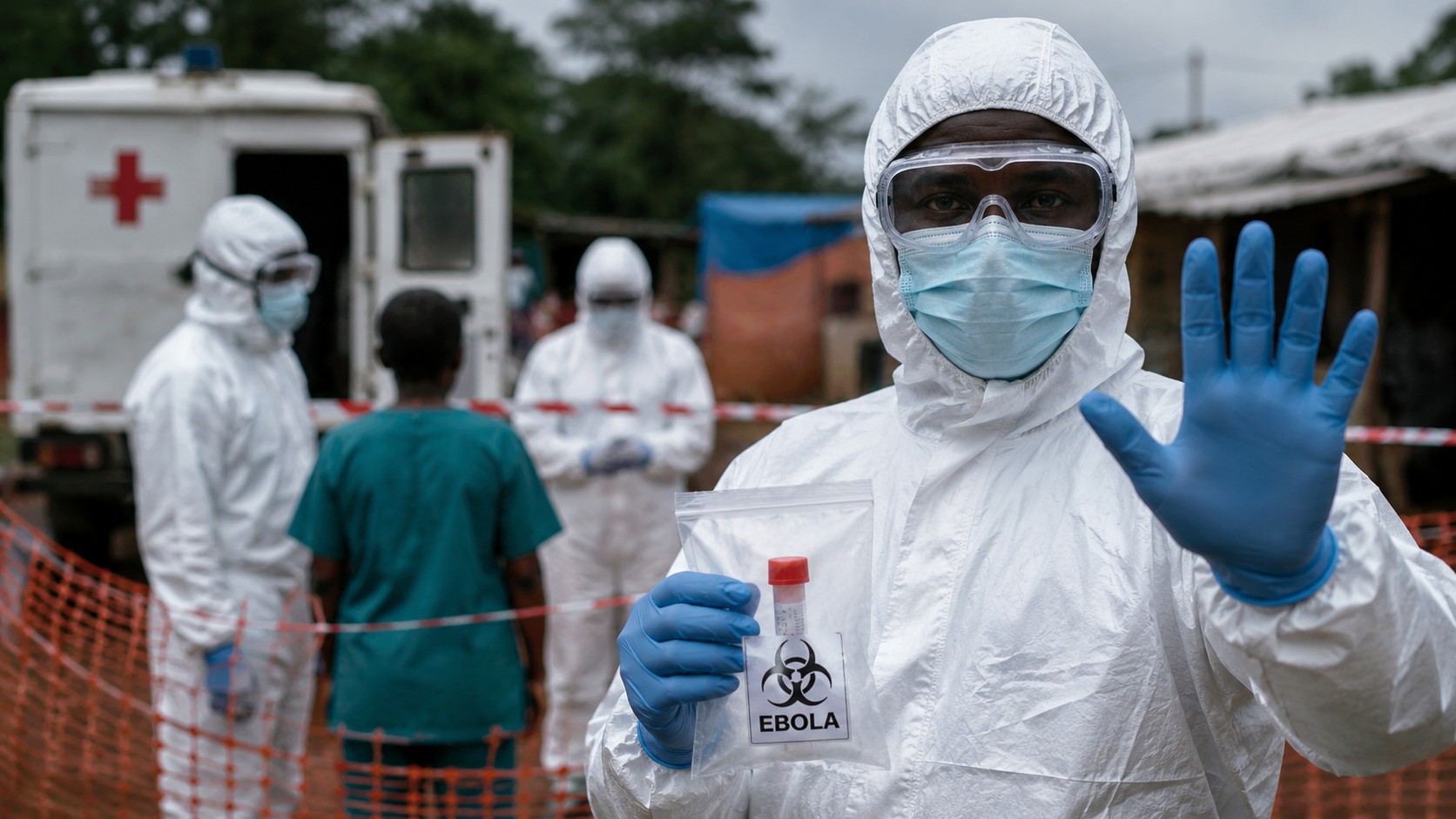
The confirmed Ebola case in Kinshasa changed the global response almost immediately. The city’s international airport connects Central Africa with Europe, the Middle East, and other African regions. Public health authorities fear the virus could spread faster if infected travelers remain undetected.
Despite those concerns, WHO representatives urged calm. Officials explained that existing Ebola screening systems are stronger than during previous outbreaks. Airports and border crossings already increased health monitoring procedures.
Several governments also started reviewing emergency preparedness plans. Hospitals in neighboring countries received updated infection-control guidance. Airlines operating in the region introduced enhanced sanitation measures for crews and passengers.
Experts emphasize that Ebola does not spread through the air like influenza or COVID-19. Transmission usually requires direct physical contact. Still, crowded hospitals and delayed diagnosis can accelerate outbreaks quickly.
How governments and aid groups are responding
African health authorities are now coordinating with international partners to contain the outbreak. Emergency response teams continue building isolation facilities in affected districts. Additional vaccine doses have also arrived in Congo and Uganda.
Several humanitarian organizations launched urgent support operations. Medical workers received protective suits, rapid testing kits, and mobile laboratory equipment. WHO officials confirmed that vaccination campaigns target frontline healthcare staff and high-risk communities first.
The response strategy currently focuses on several priorities:
- Rapid identification of infected patients
- Isolation and treatment of confirmed cases
- Contact tracing in urban and rural areas
- Public education campaigns about Ebola symptoms
- Distribution of protective medical supplies
Health experts say early containment remains possible if international support continues. However, conflict zones in eastern Congo may slow medical operations. Armed violence previously complicated Ebola responses in the same region.
Analysts believe the coming weeks will determine whether the outbreak remains regional or expands further. Governments across Africa continue monitoring developments closely while WHO prepares additional emergency funding.
Earlier we wrote that Baltimore Code Red Extreme Heat season begins with cooling centers and emergency alerts for dangerous summer temperatures