

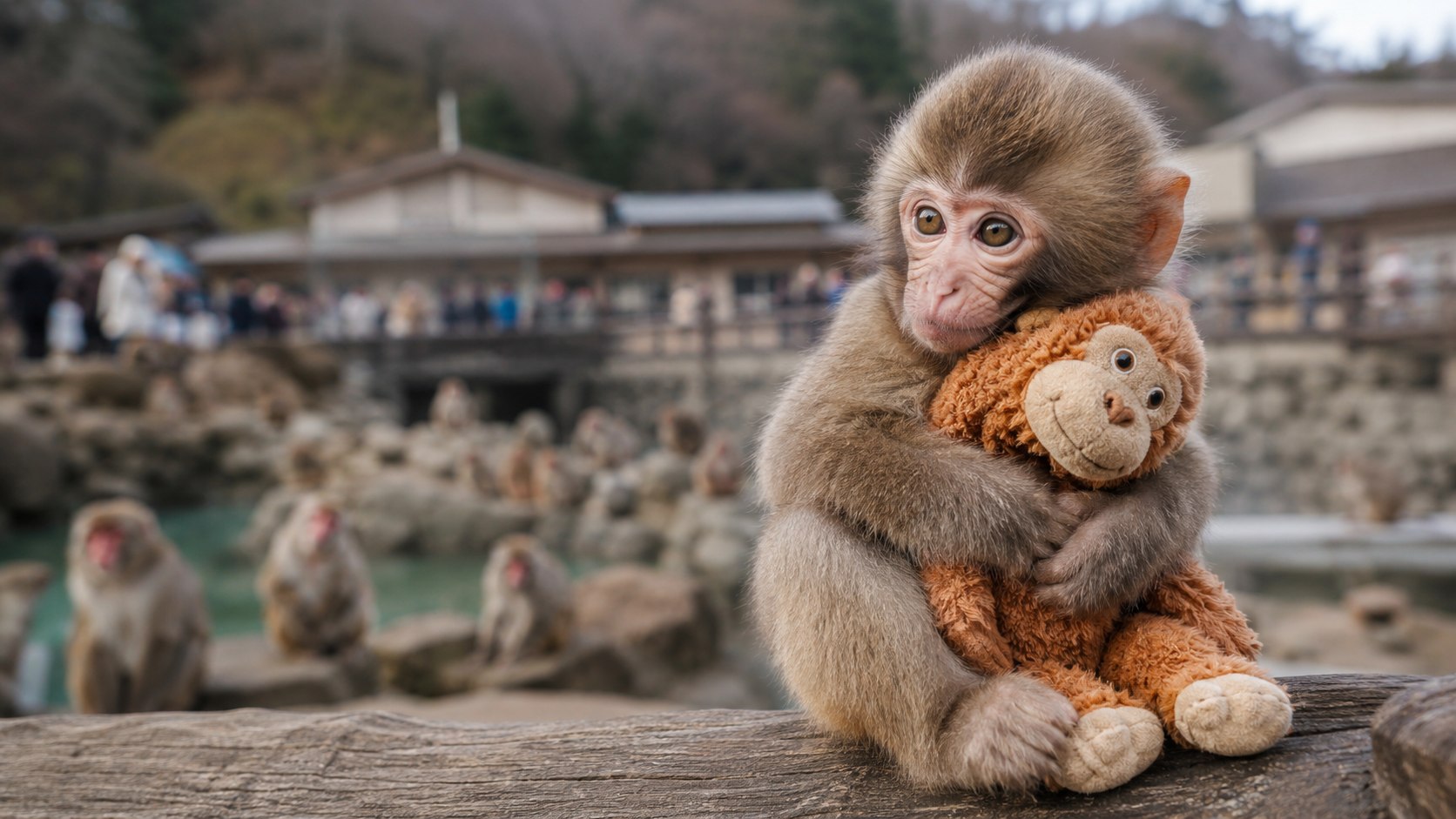
Two Americans arrested in Japan after allegedly entering the enclosure of viral baby monkey Punch has become one of the most discussed international stories online. The incident happened at Ichikawa City Zoo near Tokyo and immediately sparked debate about tourist behavior, influencer culture, and animal safety in Japan. Authorities confirmed that one suspect climbed into the restricted area while another filmed the stunt for social media. As noted by Baltimore Chronicle via CBS, the case quickly gained global attention because of Punch’s enormous popularity across TikTok, X, and Instagram.
Why the Punch monkey story became global news
The young macaque named Punch became famous earlier this year after zoo staff shared emotional images online. The monkey was photographed hugging an IKEA plush orangutan after reportedly being rejected by his mother. Millions of users reacted emotionally to the photos, helping the hashtag #HangInTherePunch trend internationally.
Zoo officials later explained that Punch had been raised in a controlled artificial environment. Staff were slowly preparing him to rejoin other macaques. The story attracted tourists from several countries and dramatically increased attendance at the zoo outside Tokyo.
The emotional connection many viewers developed with the monkey turned the enclosure into an internet attraction. That attention also created new security problems for the facility. Japanese media reported that crowds around the enclosure became difficult to manage during weekends and holidays.
What happened at Ichikawa City Zoo
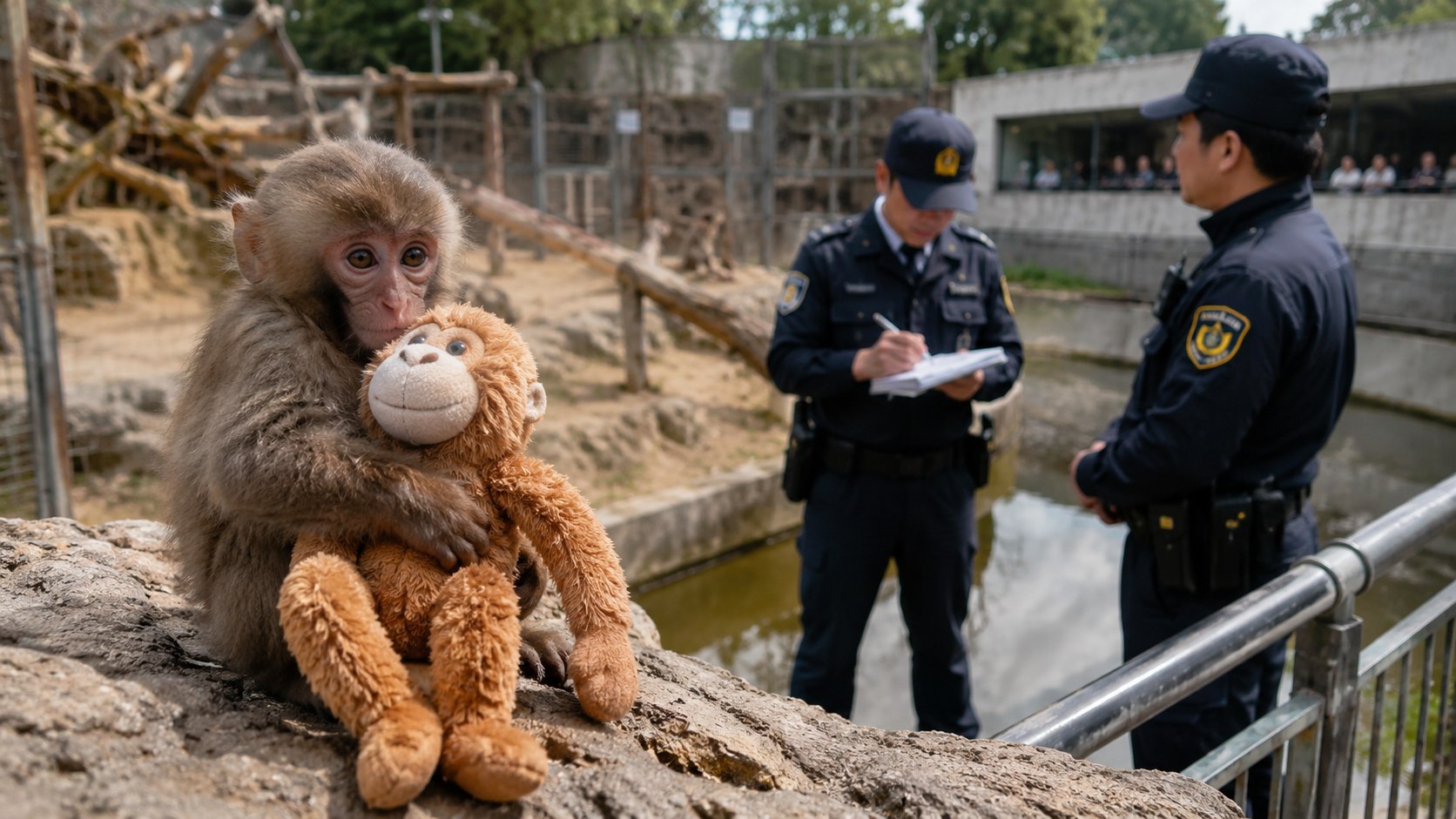
Police identified the suspects as 24-year-old Reid Jahnai Dayson and 27-year-old Neal Jabahri Duan. According to investigators, Dayson climbed over a protective fence and entered the dry moat surrounding the monkey exhibit. Duan allegedly recorded the incident.
Videos circulating online showed a person wearing a costume with a smiley-face head and sunglasses. Several monkeys reportedly scattered after the intruder entered the area. Zoo workers quickly intervened before the situation escalated.
Authorities stressed that the men never physically touched the animals. However, prosecutors still consider the incident serious because it disrupted zoo operations and endangered both staff and animals.
Before looking at the official response, it is important to understand why Japanese authorities reacted so quickly:
- Animal exhibits in Japan operate under strict safety rules
- Tourist misconduct cases increased sharply in 2025 and 2026
- Viral livestream stunts created security concerns nationwide
- Japanese zoos face growing pressure to protect animals from influencers
- Local residents increasingly criticize disruptive tourist behavior
Japanese officials say such incidents damage the country’s reputation and place additional pressure on public facilities already struggling with tourism growth.
Charges and police investigation
The suspects now face accusations of forcible obstruction of business. Police say both men denied wrongdoing during questioning. Investigators also claimed the pair initially provided false names because they carried no official identification.
Japanese law treats interference with public operations seriously. Even if physical harm does not occur, authorities may pursue criminal penalties when behavior disrupts businesses or public institutions.
Here is a summary of the known details:
| Detail | Information |
|---|---|
| Location | Ichikawa City Zoo, near Tokyo |
| Main animal involved | Baby macaque Punch |
| Suspects | Two American nationals |
| Main accusation | Forcible obstruction of business |
| Incident type | Unauthorized entry into enclosure |
| Animal injuries | None reported |
| Zoo response | Increased security and patrols |
Following the incident, zoo managers announced several new protective measures. Officials said access to the Punch enclosure would become restricted. Anti-intrusion nets and permanent patrols are also being introduced.
The zoo is additionally discussing restrictions on filming inside sensitive animal areas. Management fears social media stunts could encourage copycat behavior from visitors seeking online attention.
Japan faces growing problems with viral tourism behavior
Japan continues experiencing record tourism numbers after reopening international travel. While tourism benefits the economy, local frustration is increasing in many regions.
Several controversial incidents involving foreign content creators already made headlines recently. Authorities mentioned earlier cases involving trespassing, livestream pranks, and illegal filming in restricted areas.
Last year, a Ukrainian YouTuber was arrested after entering Fukushima’s exclusion zone during a livestream. In 2023, American streamer Johnny Somali faced accusations related to trespassing and disruptive public behavior.
Experts believe viral tourism culture encourages increasingly dangerous actions. Social media platforms reward shocking videos with views, advertising revenue, and followers. Some creators cross legal boundaries while trying to gain online fame quickly.
“The combination of tourism and livestream culture creates pressure for extreme behavior,” Japanese media analyst Kenji Morimoto told local television networks this week.
How the zoo plans to protect Punch
Zoo officials confirmed that Punch showed no signs of stress or injury after the incident. Veterinarians monitored the macaque and the surrounding troop following the disturbance.
Still, management admitted security around the exhibit was insufficient considering the monkey’s online fame. Staff members now expect stricter visitor controls during peak tourism periods.
Several new measures are expected soon:
- Installation of higher security barriers
- Continuous patrols near the enclosure
- Possible restrictions on video recording
- Expanded monitoring cameras
- Visitor behavior enforcement policies
The zoo hopes these actions will protect both animals and employees while allowing visitors to continue viewing Punch safely.
Tourism experts say similar security upgrades may soon appear in other popular Japanese attractions connected to viral internet trends. Public facilities increasingly fear online challenges and influencer stunts could trigger dangerous situations.
International reaction after the arrests
The story spread rapidly across international media because Punch already had a large online fanbase. Many users condemned the suspects for treating the zoo like a social media set instead of a protected environment.
Others questioned whether platforms should take stronger action against creators who publish risky content involving animals or restricted public spaces.
Japanese social media users reacted especially strongly. Many comments criticized foreign tourists for ignoring local etiquette and safety standards. The issue has reignited national discussions about balancing tourism growth with public order.
At the same time, supporters of Punch flooded social platforms with messages under #HangInTherePunch. Many users expressed relief that the animals remained unharmed after the intrusion.
Earlier we wrote that Howard County Veterans Monument Opens in Columbia After 10-Year Community Campaign