

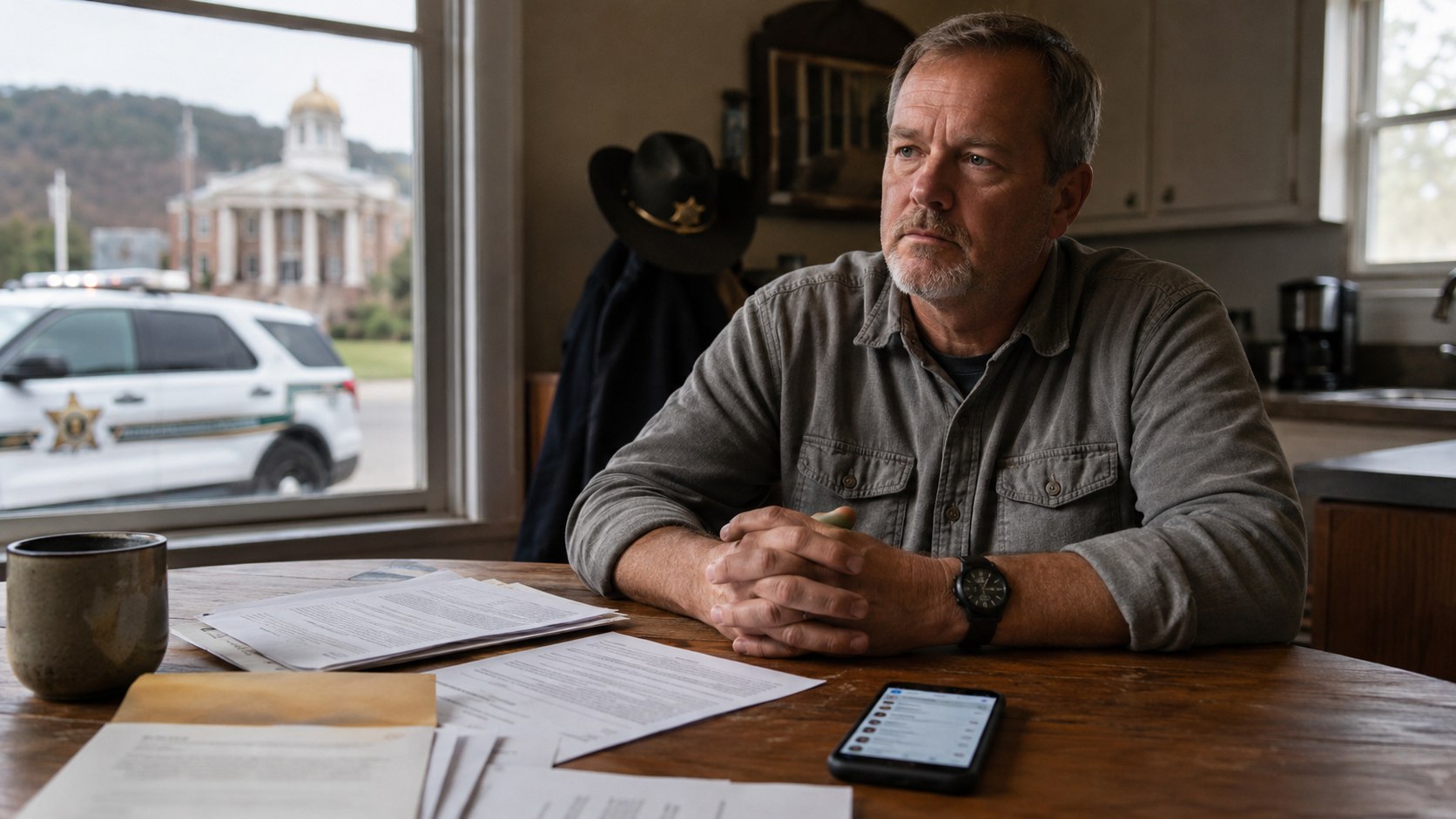
Larry Bushart settlement has become one of the most striking free speech cases in the United States after a Tennessee man received an $835,000 agreement following 37 days in jail over Facebook posts about Charlie Kirk’s killing, as noted by the Baltimore Chronicle editorial team via NY Times. The case has drawn attention because Bushart was not accused of carrying out violence. He was accused of threatening mass violence after sharing memes and political commentary online. His lawyers argued that local authorities misread the posts, ignored context and violated his constitutional rights. The settlement now raises a larger question: how far can law enforcement go when online speech becomes politically charged?
What happened to Larry Bushart
Larry Bushart, a 61-year-old retired law enforcement officer from Tennessee, was arrested after posts he shared on Facebook. The posts appeared after conservative activist Charlie Kirk was killed during an event at a university in Utah. Bushart shared memes that criticized Turning Point USA and referred to past comments by Donald Trump after a school shooting in Iowa. Local officials in Perry County claimed the posts caused alarm and suggested a threat toward a school. Bushart denied making any threat and refused to delete the post when police first questioned him.
The case escalated quickly. His bail was set at $2 million, a figure usually associated with severe violent charges. He remained in custody for 37 days before the charge was dropped. Bushart later sued Perry County Sheriff Nick Weems and local government officials. The lawsuit said the sheriff’s department deliberately treated a political meme as a threat, even though the post had circulated online before Bushart shared it.
Why the $835,000 settlement matters
The $835,000 settlement matters because it turns a local arrest into a national warning about speech, policing and political tension. Bushart’s lawyers said no one should be taken to jail in the middle of the night over a harmless meme. The Foundation for Individual Rights and Expression, which represented him, framed the case as a clear First Amendment issue. In its view, authorities punished speech they disliked rather than responding to a real threat. That argument became central to the federal lawsuit.
Bushart said the settlement vindicated him. He also said civil discourse is essential to a healthy democracy. His statement was restrained, but the case itself is not quiet. It sits inside a broader debate that intensified after Charlie Kirk’s killing. Across the United States, people faced firings, resignations and disciplinary action over comments about the event. Bushart’s case stood apart because it involved a felony charge and more than a month in jail.
The disputed Facebook posts
The posts at the center of the case were not original threats written by Bushart. They included memes made by others and shared into a community Facebook page. One post quoted Donald Trump’s comment after a school shooting in Perry, Iowa, in 2024. The original poster had written that the phrase seemed relevant again. Sheriff Weems later said some people interpreted the post as a threat to a local high school in Tennessee.
Bushart’s lawyers rejected that interpretation. They argued the meme clearly referred to a past shooting in Iowa, not a planned attack in Tennessee. The lawsuit also said the sheriff knew the meme had been circulating before Bushart shared it. That detail matters because it weakens the claim that Bushart created a specific local threat. It also makes the arrest look less like prevention and more like punishment.
“The people’s freedom to participate in civil discourse is crucial to a healthy democracy,” Bushart said after the agreement.
This quote now stands at the center of the case. It shows how Bushart wants the episode understood. He is not presenting himself as a perfect online commentator. He is presenting himself as a citizen whose speech was criminalized.
Key facts in the case
Before looking at the legal impact, it helps to separate the main facts from the political noise. The story involves a killing, social media outrage, local pressure and a sheriff’s interpretation of a meme. Those elements created a volatile mix. Still, the legal question remained narrow. Did Bushart’s post amount to a real threat, or was it protected speech?
| Issue | Detail |
|---|---|
| Person arrested | Larry Bushart, 61, retired law enforcement officer |
| Location | Tennessee, involving Perry County authorities |
| Time in jail | 37 days |
| Bail amount | $2 million |
| Charge | Recklessly threatening mass violence at a school |
| Final result | Charge dropped, $835,000 settlement reached |
| Legal claim | Violation of constitutional rights over Facebook posts |
| Larger issue | Free speech, political memes and law enforcement power |
The numbers make the case unusually serious. A 37-day jail stay is not a minor inconvenience. A $2 million bail order suggests authorities treated the case as an extreme threat. Yet the charge was later dropped, and the civil settlement reached six figures. That contrast is why the case will likely be cited in future speech disputes.
How police first approached Bushart
According to the account described in the case, the sheriff’s department asked police in Bushart’s hometown to check on him. Body camera footage reportedly showed confusion on both sides. Bushart told the officer he had threatened nobody. The officer also appeared uncertain about why the post had triggered such a serious response. Bushart declined to take the post down.
Police returned later that night and arrested him. This sequence became important in the lawsuit. His lawyers argued that the authorities had time to evaluate the post and context. They also argued officials ignored evidence that the post was political commentary. The fact that the first encounter did not appear alarming made the later arrest harder to defend.
Free speech cases after Charlie Kirk’s killing
Bushart is not the only person who sought compensation after punishment linked to comments about Charlie Kirk’s death. In Tennessee, a professor at Austin Peay State University reached a $500,000 settlement and got his job back. In Iowa, the state agreed to rehire a public defender and pay $125,000 after firing him. These cases show that public institutions are facing legal consequences for overreacting to controversial speech.
The Bushart case appears to be among the largest settlements connected to the episode. That size sends a signal to government officials. Political speech, even harsh or tasteless speech, cannot be treated as criminal without strong evidence. Courts have long distinguished offensive speech from true threats. The Bushart dispute shows how quickly that line can blur after national trauma.
Several lessons stand out for readers following the case:
- Political memes can be crude, angry or provocative without becoming criminal threats.
- Context matters when authorities evaluate online posts.
- Public officials face legal risk when they punish protected speech.
- Bail decisions can turn a questionable arrest into a life-disrupting ordeal.
- Screenshots and public records often become crucial evidence in speech cases.
These points are practical, not abstract. Social media posts can travel fast and be interpreted badly. But the government still carries a heavy burden before treating speech as a crime. Bushart’s settlement shows that courts and insurers may not accept panic as a substitute for proof.
What the sheriff’s office claimed
Sheriff Nick Weems argued that Bushart wanted to incite hysteria and that the post caused alarm. He also said some people perceived the post as a threat to the local high school. That claim was central to the original charge. However, Bushart’s lawyers said public records requests did not produce evidence supporting that interpretation. They also said the local school district had no records related to Bushart or the post.
That absence became damaging. If a school threat is alleged, records usually matter. They can show alerts, internal messages, safety measures or direct complaints. The lawsuit claimed those records were missing or nonexistent. In plain terms, Bushart’s legal team argued that the fear was asserted after the fact, not documented in real time.
Why this case could affect future arrests
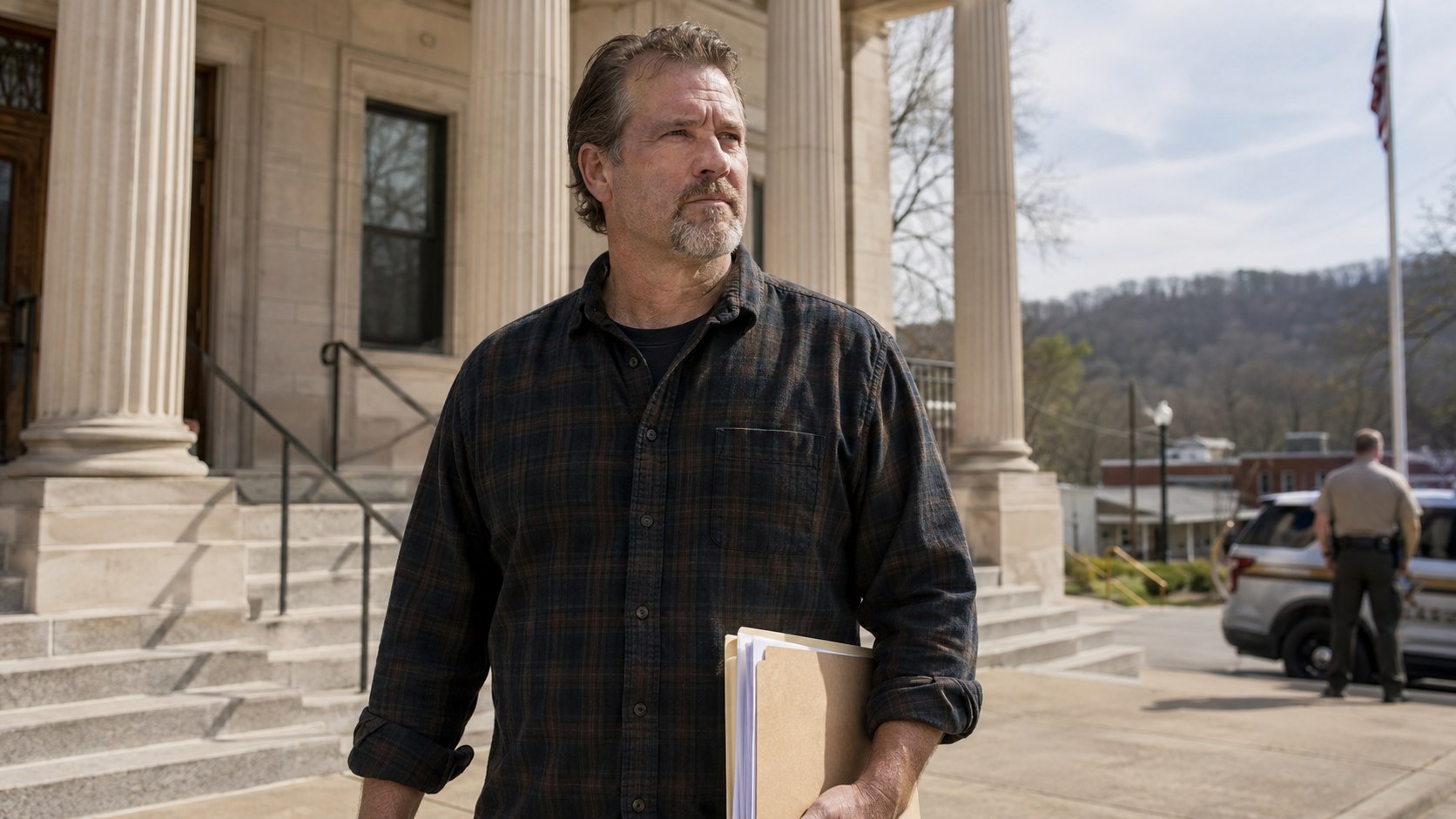
The Larry Bushart Facebook post case could influence how smaller law enforcement agencies handle online speech. Local officials often face public pressure after violent events. They may want to act quickly and show control. But speed can become dangerous when political speech is involved. A rushed arrest can become a costly constitutional problem.
The case also speaks to ordinary users. Posting political content during a national crisis can bring attention from strangers, employers and officials. That does not mean people lose their rights. It does mean context, wording and platform visibility matter. A meme shared into a local group can be read differently than a meme posted to a personal page.
The hardest speech cases often begin with ugly timing, angry language and local fear. That is exactly why constitutional limits exist. They prevent officials from turning public anxiety into criminal punishment. Bushart’s case shows those limits are not theoretical. They can result in major financial consequences.
What Larry Bushart said after the ordeal
Bushart admitted later that the episode created turmoil for his family. He also said he might have acted with more dignity or restraint online. Still, he did not say he regretted the post itself. That distinction is important. It separates personal reflection from legal guilt. A person can regret the tone of a post without accepting that it was criminal.
He also promised his wife he would stay off Facebook. That detail gives the story a human ending, but not a simple one. Bushart won a settlement, yet he spent 37 days in jail. He was arrested, charged and placed under national scrutiny. The money compensates him, but it cannot erase the experience.
Why readers should pay attention
This case is not only about one Tennessee man. It is about how the United States handles speech after political violence. The country is entering a period where online comments can spark real-world consequences within hours. Employers, universities and agencies often respond before facts are fully clear. That speed can protect people in real emergencies, but it can also punish lawful expression.
For readers, the Bushart case is a reminder to document everything during disputes over online speech. Save posts, screenshots, messages and official notices. Ask for written explanations if an employer, school or agency takes action. Avoid deleting material before speaking with counsel, especially if legal issues are possible. Most importantly, understand that protected speech can still create pressure, even when it should not create criminal liability.
Earlier we wrote about Best Place to Buy Furniture in USA 2026