

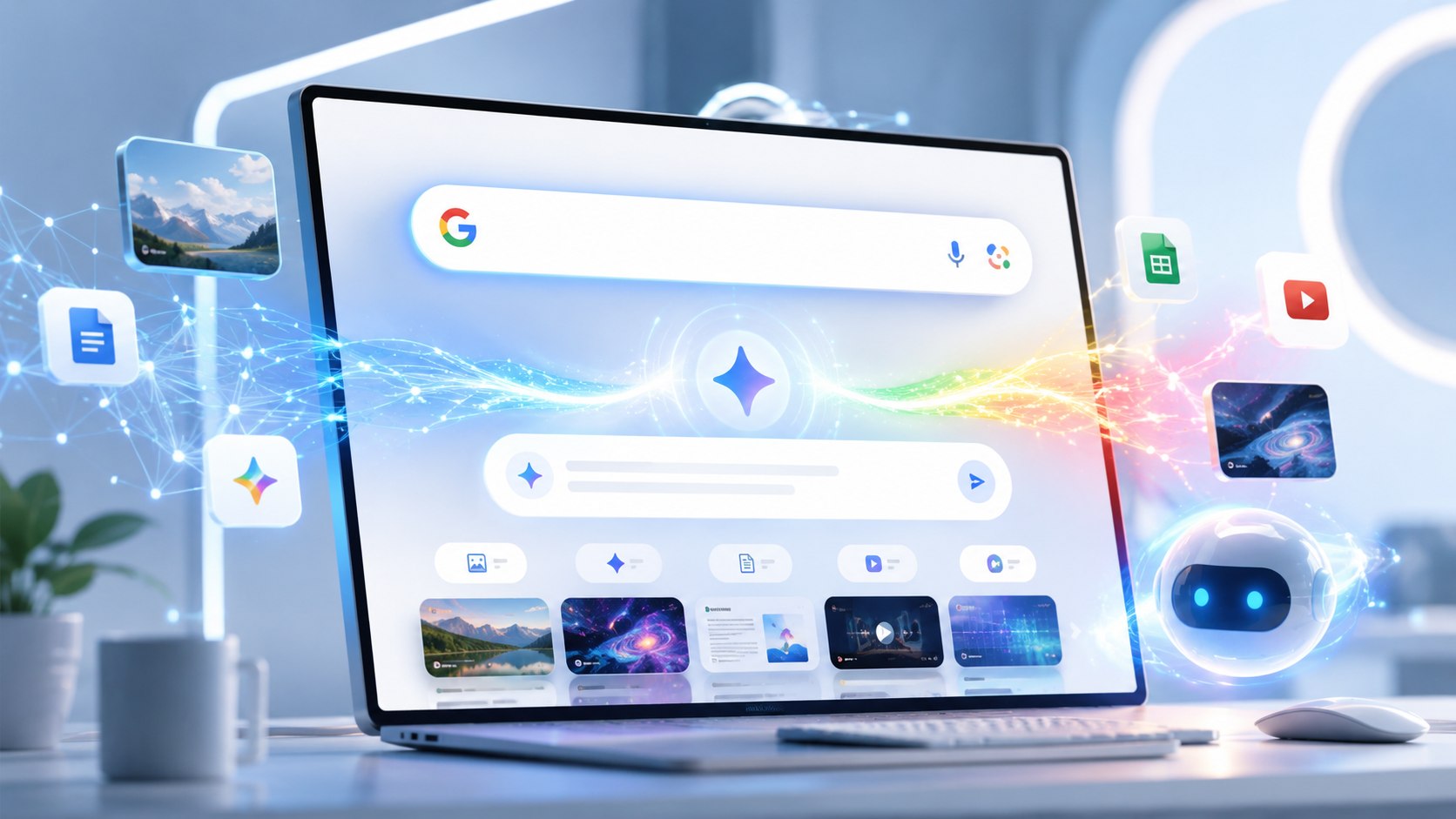
Google AI Search is no longer just a field for typing a few words and opening blue links. At Google I/O 2026, the company presented one of the most serious changes to Search in more than two decades: a redesigned search experience powered by Gemini 3.5 Flash, deeper AI Mode, agentic assistants and tools that can act on behalf of users. The shift means Google wants Search to answer, compare, book, monitor and even build small digital tools inside the same interface. It is a direct challenge to the old habit of opening several websites and piecing the answer together manually, as noted by Baltimore Chronicle via Engadget.
The message from Mountain View is clear. Google does not want Search to remain a short stop on the way to another site. It wants it to become the place where the entire task is completed. That is why the updated search box can expand depending on the request, accept richer input and keep the conversation going after the first answer. For users, this may feel convenient; for publishers and businesses, it may become another serious test of traffic and visibility.
What has changed in Google Search
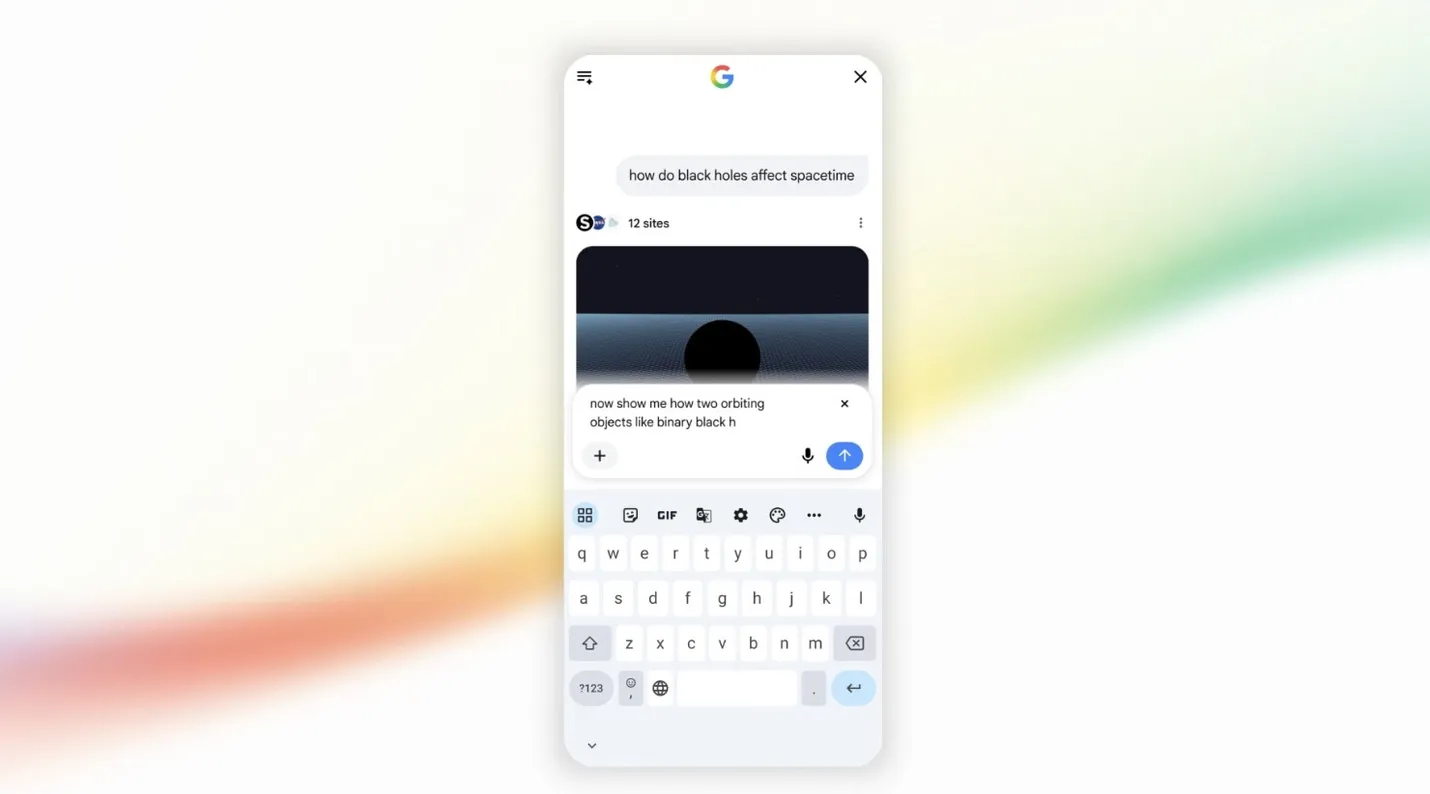
The new Google Search is built around a more flexible and conversational interface. A user can start with a normal question, then add details, files, images, videos or information from open Chrome tabs. The search box no longer behaves like a static line. It becomes a working area where Google tries to understand context, intent and next steps.
The biggest visible change is the role of Gemini 3.5 Flash. According to reports from Google I/O 2026, this model now powers AI Mode in Search and is designed for faster, more practical agentic tasks. That matters because users will not only receive summaries. They will also get structured answers, suggested follow-up questions and, in some cases, ready actions.
This is also the next stage after AI Overviews. Earlier, Google placed AI answers above traditional results. Now the company is moving AI deeper into the search process itself. The difference is important. Search is not only showing an AI block anymore; it is becoming an AI-first product.
How the new AI search box works
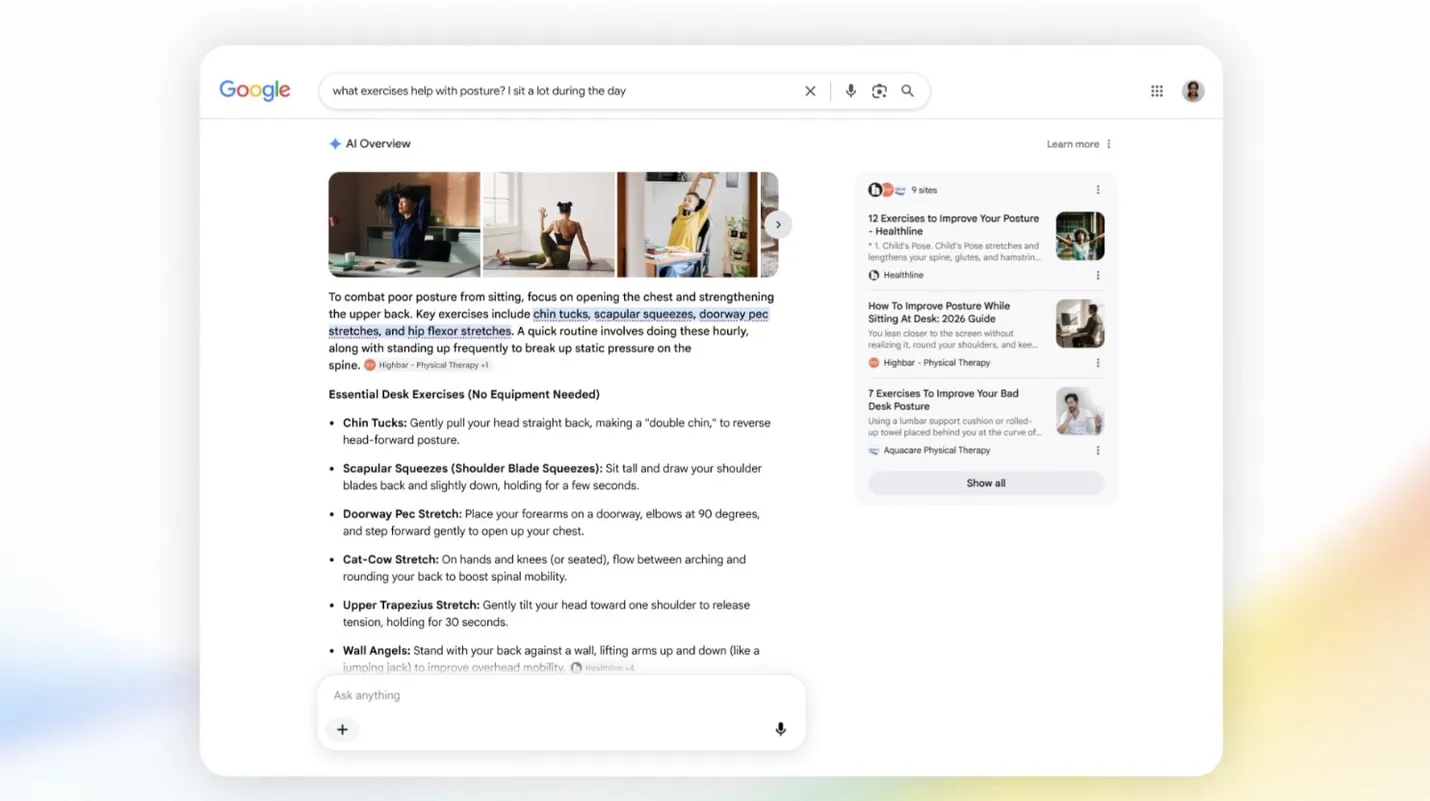
Google’s updated search field will change according to the complexity of the request. A simple query can still bring a direct answer. A more complex request may open a larger AI workspace. There, a user can upload supporting material and ask follow-up questions without starting again.
For example, someone planning a trip could add a screenshot of hotel options, a calendar window and a question about budget. A student could upload a document and ask for a clearer explanation. A shopper could compare products and ask which option is better for a specific use case.
The most important new search functions include:
- Expanded input with files, photos, videos and browser context.
- Follow-up questions that refine the answer step by step.
- AI suggestions that help users ask better questions.
- Personalized answers when connected services are allowed.
- Action-based search for bookings, monitoring and practical tasks.
These changes make Search more useful for complex decisions. They also make the product harder to separate from the rest of Google’s ecosystem. After a list like this, the real issue is not only convenience. The bigger question is how much control users will keep over what data Search can use.
Agentic search: Google Alerts with a brain
One of the most striking updates is the arrival of AI agents for paid Gemini Pro and Ultra users. The idea is simple: instead of repeatedly searching for the same topic, a user tells Google what to monitor. The AI agent then follows news, blogs, social platforms or financial information and returns the most relevant results.
This is more advanced than the old Google Alerts model. Alerts usually send links based on keywords. The new agentic search is expected to filter, compare, summarize and present information in a more useful format. For analysts, journalists, investors and marketers, this could save time. For everyone else, it could turn Search into a quiet background assistant.
The advantage is speed; the risk is dependence. If an AI agent decides what deserves attention, users may see fewer raw sources. That makes transparency important. Google will need to show why certain results were selected and what was ignored.
Booking, calls and everyday tasks inside Search
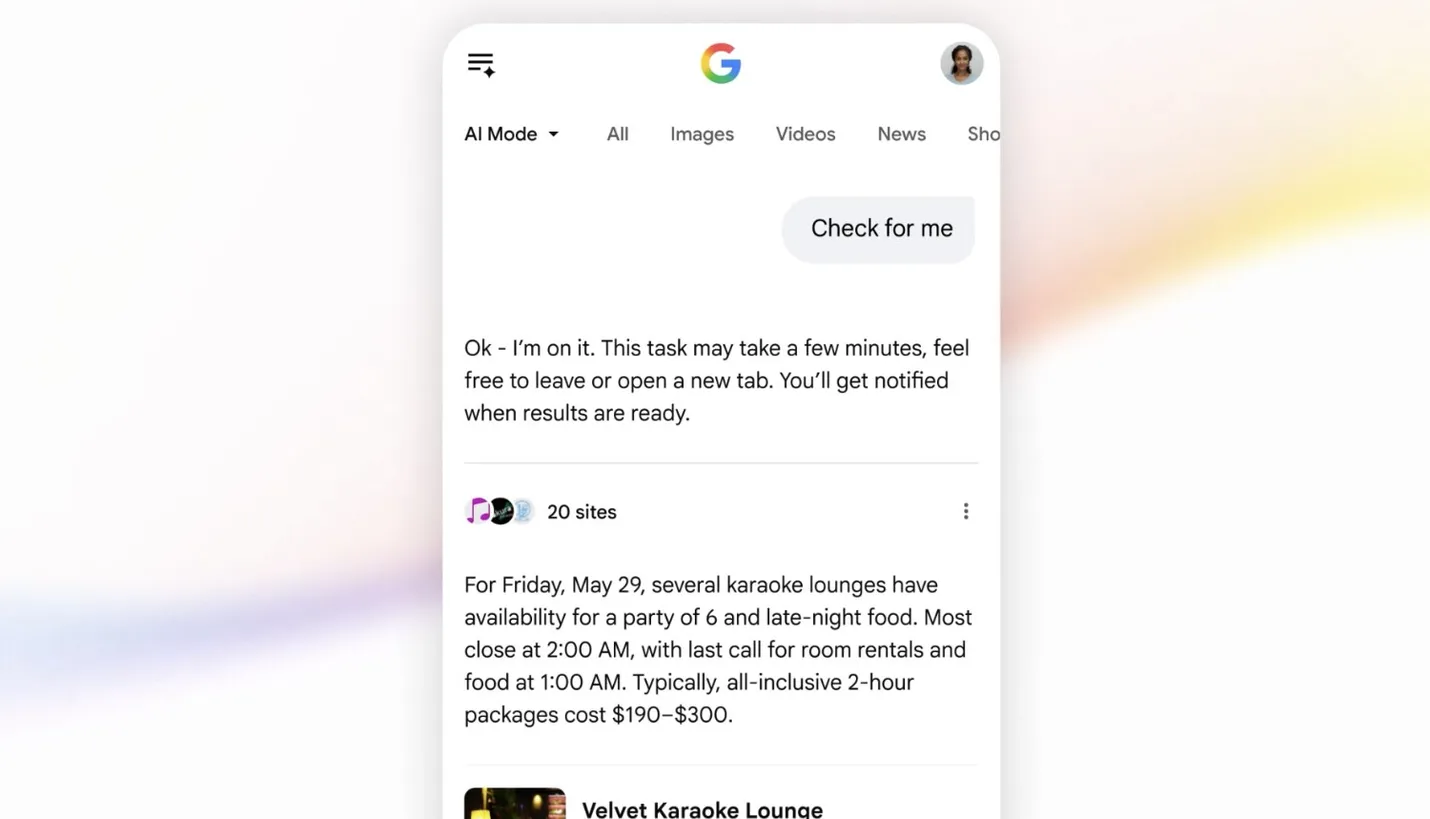
For free users, Google is also making Search more practical. One example is local discovery. A person could search for a café, check prices and book a table without leaving Google. This reduces friction for users, but it also means businesses may become more dependent on how Google displays them.
Google is also reviving the idea of AI phone calls. Search may call a company, ask for details and return the answer to the user. A similar concept appeared years ago with Duplex. The new version is expected to sound more natural and work better for everyday requests.
That could be useful for checking restaurant availability, service prices or appointment slots. Still, it raises questions. Companies will need to understand when they are speaking with AI. Users will also need clear information about what was said during the call.
Antigravity: coding moves into Google Search
Another major feature is Antigravity, Google’s coding tool connected to agentic AI workflows. In the Search context, it may allow users to create small applications or interactive elements by describing what they need. Instead of opening a separate development tool, a user could ask Search to generate a simple fitness tracker, interface block or mini-app.
At first, this function will be limited. Reports say Antigravity features are tied to paid AI Pro and Ultra access and will start in the United States. Developers are also getting access through related Google tools, including the Gemini API and AI Studio.
For non-programmers, this is the most radical part of the update. Search is not only answering questions. It is beginning to produce functional digital objects. If Google makes this simple enough, many small coding tasks may move from specialized tools into the search bar.
What users will get first and what remains limited
Not all new Google Search features will arrive everywhere at once. The basic AI improvements and Gemini-powered Search experience are expected to roll out broadly. Personal intelligence features are also expanding widely, including links with Gmail, Photos and Calendar, where the user grants access.
The more advanced tools will be more restricted. Agentic booking, AI calls and Antigravity are expected to start in the United States. Paid Gemini plans will also receive more powerful agent features first. That creates a split between the global free experience and the premium AI search experience.
| Feature | Who gets it first | What it does | Key concern |
|---|---|---|---|
| AI Mode with Gemini 3.5 Flash | Broad rollout | Gives richer AI answers in Search | Accuracy and source visibility |
| Dynamic search box | Global expansion expected | Accepts complex prompts and richer input | More data inside Google |
| AI agents | Gemini Pro and Ultra users | Monitors topics and summarizes changes | Less direct source checking |
| Booking and AI calls | United States first | Books services and contacts businesses | Transparency during AI calls |
| Antigravity in Search | Paid users in the U.S. first | Generates small apps and interface tools | Quality and user control |
This comparison shows why the update is bigger than a normal interface refresh. Google is not adding one feature. It is changing the economic and practical role of Search. The product is moving from discovery toward execution.
Will the new Google Search work in Ukraine
According to the announced rollout logic, the updated AI search experience should become available globally, including Ukraine. The same applies to the broader expansion of personal intelligence features across many countries and languages. Ukrainian users should eventually receive a more conversational Search with stronger AI support.
However, the most advanced functions will not arrive everywhere immediately. Agentic service booking, AI phone calls and Antigravity are expected to launch first in the United States. Google has not given a clear date for Ukraine. That means Ukrainian users may get the new AI interface earlier than the most practical automation tools.
For businesses in Ukraine, the change is still important. Local cafés, shops, clinics and services will need cleaner online data. Prices, hours, addresses and booking options may become even more important. If AI Search relies on structured information, outdated business profiles could lead to lost customers.
Why this matters for websites, publishers and SEO
The new Search model creates a serious challenge for online publishers. If Google answers more questions directly, fewer users may click through to websites. This problem already appeared with AI Overviews. A more agentic Search could make the pressure stronger.
For SEO, the old strategy of targeting simple keyword queries may become weaker. Websites will need clearer expertise, better structure and more original value. Google’s AI will likely prefer content that answers real questions, explains details and can be trusted. Thin articles written only for keywords may lose even more visibility.
Strong content should now focus on:
- clear expert explanations;
- original data or practical examples;
- structured answers for complex questions;
- fresh information that AI can understand;
- transparent authorship and editorial quality.
After this shift, SEO will not disappear. It will become more demanding. The goal will be not only to rank in classic results, but also to be useful enough for AI systems to cite, summarize or recommend.
What users should watch before using AI Search deeply
Users should treat the new Google Search as a powerful assistant, not as an unquestionable authority. AI can summarize quickly, but it can also miss context. For medical, legal, financial or security decisions, users should still check primary sources. Convenience should not replace judgment.
Privacy is another key point. Personal intelligence features can connect Search with Gmail, Photos and Calendar. Google says users control access, but people should review permissions carefully. It is worth checking which accounts are connected and what information AI can use.
The best approach is practical caution. Use AI Search for planning, comparison and first drafts. Then verify important details before acting. That balance will help users benefit from speed without handing over too much trust.
Google is building a search engine users may never leave
The direction is now obvious. Google Search used to be a gateway. You entered a query, opened links and left. With Gemini 3.5 Flash, agents, AI calls and Antigravity, Google is building a platform where users can stay until the task is done.
This could make everyday search faster and more useful. It could also concentrate more power inside one interface. The next version of Search will not be judged only by how smart it feels. It will be judged by accuracy, transparency, privacy and whether users still see the open web behind the AI answer.
Earlier we wrote that Zaxbys Rosedale Opening Confirmed as Chain Replaces Former Dairy Queen at Golden Ring Shopping Center