

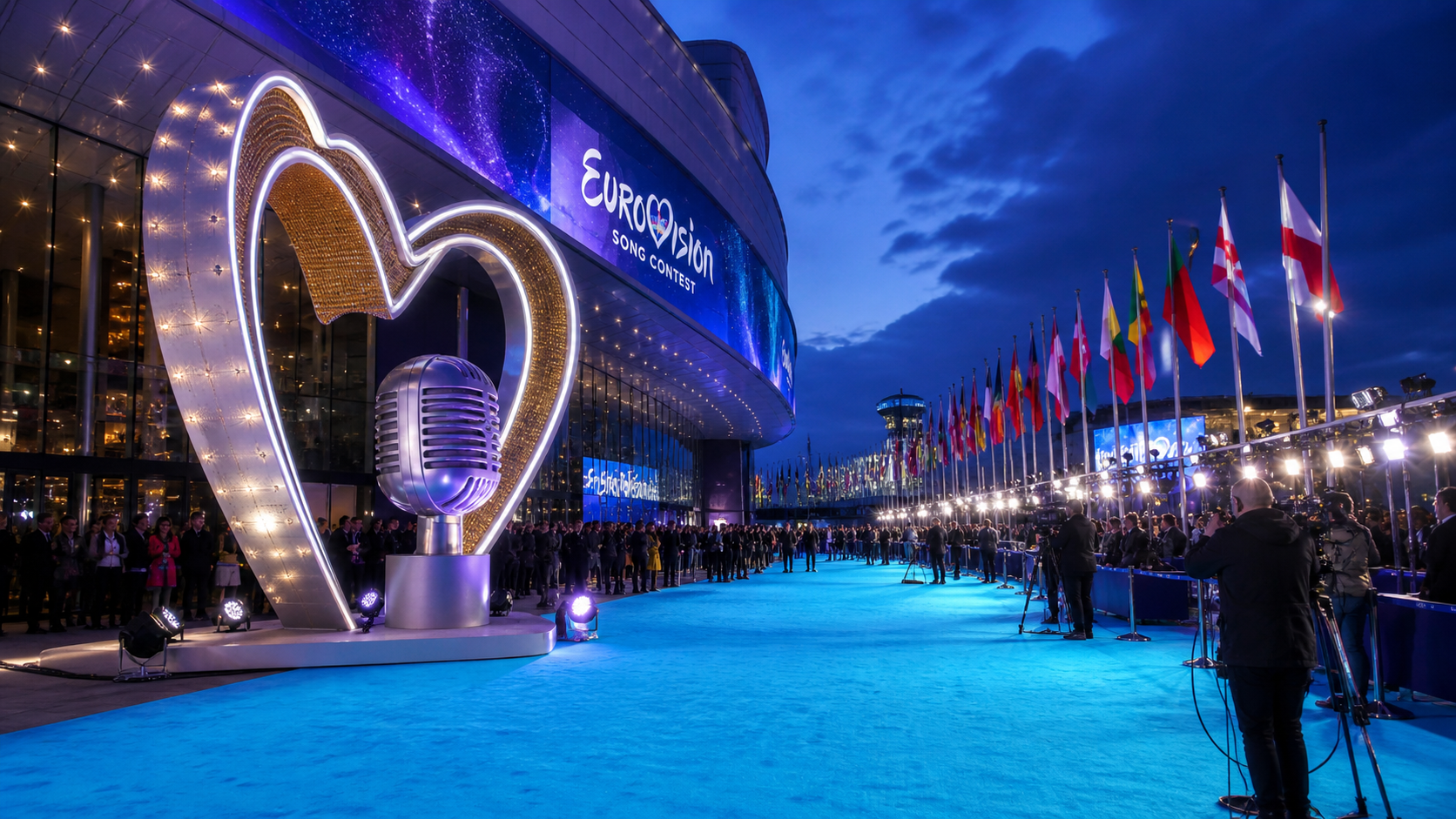
Eurovision 2026 opening ceremony officially started in Vienna on May 10, bringing together artists, media crews, and fans from across Europe and beyond. Delegations from all 35 participating countries appeared on the famous turquoise carpet before the contest week begins. The ceremony quickly became one of the most discussed entertainment events online tonight, especially among American Eurovision viewers following the competition’s growing popularity in the United States. As noted by the editors at Baltimore Chronicle, this year’s contest is expected to attract record international streaming numbers.
The official opening event is taking place in Austria’s capital ahead of the first semifinal on May 12. Organizers transformed Vienna into the center of European pop culture for an entire week. International journalists, influencers, broadcasters, and music fans gathered outside the arena hours before the ceremony began. Security around the venue was visibly stronger than in previous years. Austrian officials also increased transportation services around the event district because of heavy visitor traffic.
Vienna hosts Eurovision 2026 after Austria’s victory
Austria earned hosting rights after winning the previous edition of the competition. This year, the contest takes place at the famous Wiener Stadthalle arena, one of Vienna’s largest indoor venues. The arena already hosted Eurovision in the past and remains a favorite among organizers because of its production capacity.
The schedule for Eurovision week looks packed:
| Event | Date | Location |
|---|---|---|
| Opening Ceremony | May 10 | Vienna |
| First Semifinal | May 12 | Wiener Stadthalle |
| Second Semifinal | May 14 | Wiener Stadthalle |
| Grand Final | May 16 | Wiener Stadthalle |
The city government prepared special fan zones, public viewing areas, and transportation updates for visitors. Local hotels reportedly experienced one of the busiest booking periods this spring. Several restaurants and bars near the arena also introduced Eurovision-themed menus and late-night viewing parties.
After the ceremony, delegations are expected to participate in press conferences and rehearsal sessions. Broadcasters from multiple countries already released backstage footage from the turquoise carpet.
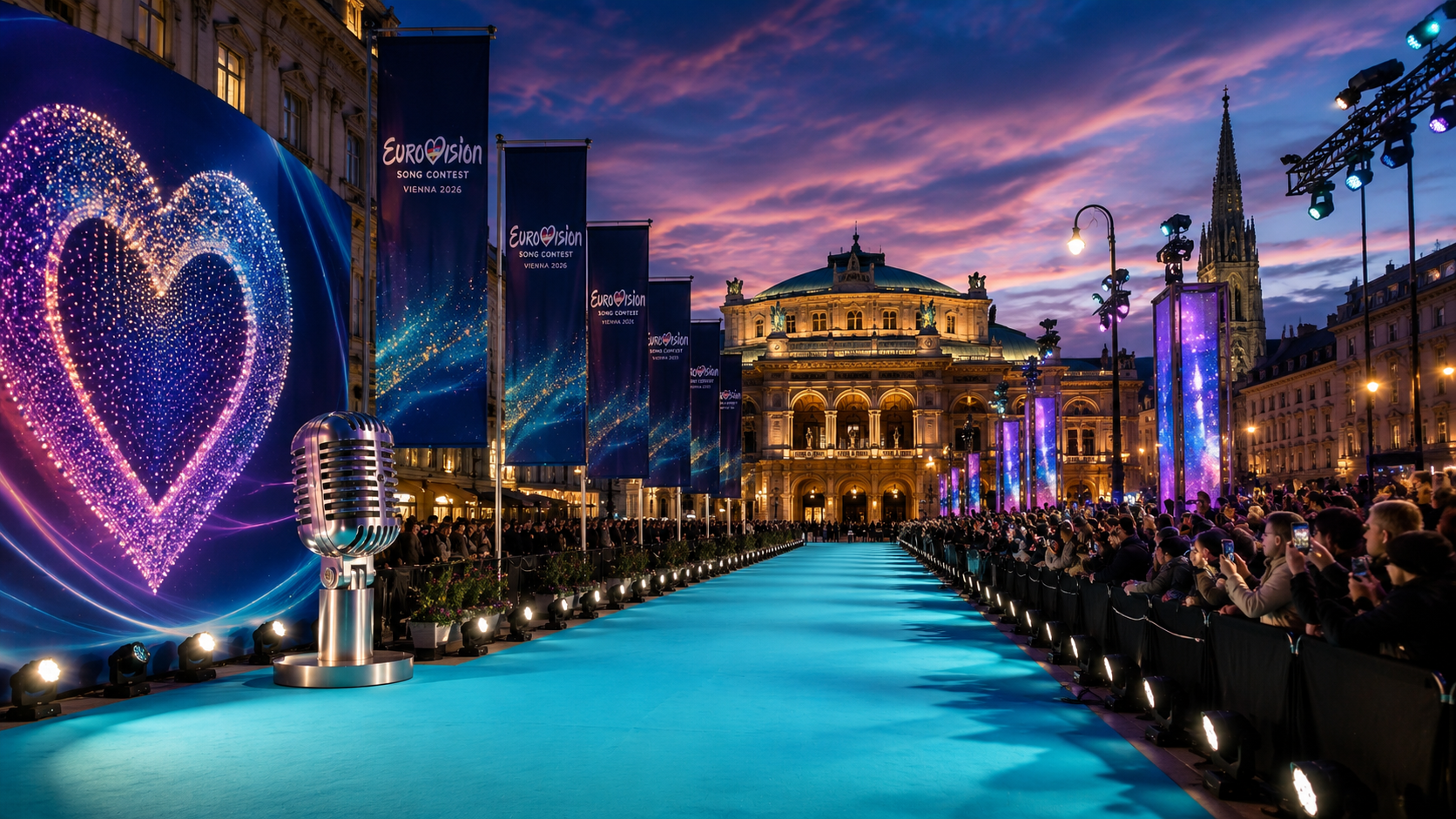
Ukrainian singer LELÉKA draws international attention
One of the most discussed artists tonight is Ukrainian representative LELÉKA, whose real name is Viktoriia Leleka. The singer arrived on the turquoise carpet wearing a modern outfit inspired by Ukrainian folk aesthetics. Social media reactions quickly pushed her appearance into trending Eurovision discussions online.
Many American viewers discovered the artist only recently through TikTok clips and Eurovision reaction channels. Music bloggers praised her vocal style and stage identity before rehearsals even started. Several Eurovision analysts also believe Ukraine may again become a strong finalist this year.
“Ukraine consistently understands Eurovision staging better than most countries,” one European music commentator said during the livestream.
The Ukrainian delegation avoided revealing major details about the stage performance. However, insiders suggested the performance may combine electronic production with traditional vocal elements. That combination has become increasingly successful in recent Eurovision contests.
Why Eurovision keeps growing in the United States
Although Eurovision remains a European contest, its American audience continues to expand every year. Streaming platforms, YouTube reactions, and social media discussions helped the competition become a global entertainment phenomenon. U.S. viewers especially follow dramatic live performances and unpredictable voting moments.
Several factors explain Eurovision’s rising popularity in America:
- Viral performances regularly spread across TikTok and Instagram.
- American viewers enjoy the contest’s mix of music and national identity.
- Live voting creates strong audience engagement.
- The competition often introduces future global artists.
- Eurovision offers styles rarely seen in mainstream U.S. television.
The growing audience also encouraged more American media coverage this year. Entertainment websites now publish semifinal predictions, ranking lists, and artist profiles before the live shows even begin.
After the list above, industry analysts noted another trend. Younger viewers increasingly watch Eurovision through clips instead of traditional television broadcasts. This shift heavily benefits artists with visually memorable performances.
What fans can expect during Eurovision week
Rehearsals for participating countries already started behind closed doors earlier this week. Organizers promised advanced stage technology, larger LED installations, and more immersive camera effects. Several delegations reportedly invested heavily in visual production this year.
Eurovision 2026 may become one of the most technologically ambitious editions in contest history. Producers expanded backstage streaming content and introduced additional digital fan experiences for international audiences.
Here are several major talking points expected this week:
- Potential surprise finalists from smaller countries.
- Strong competition between Scandinavian entries.
- Ukraine’s staging concept and jury potential.
- Austria’s hosting production quality.
- Voting patterns during the grand final.
Music experts also expect intense competition in the semifinals because many entries already gained strong streaming numbers before the live shows. That situation could make qualification results less predictable than usual.
Live broadcast and international streaming details
The opening ceremony livestream became available through Eurovision’s official digital channels. Broadcasters across Europe also carried segments from the turquoise carpet. In the United States, fans mainly follow the event through YouTube streams, social media clips, and international broadcasters.
The grand final on May 16 is expected to generate millions of online interactions globally. Eurovision organizers already announced expanded digital coverage for international audiences outside Europe. Several streaming platforms may also provide additional behind-the-scenes content during contest week.
American Eurovision communities continue organizing live watch parties in cities including New York, Los Angeles, and Chicago. Fan clubs reported increased ticket demand for public screenings this year. That growth reflects Eurovision’s transformation into a truly global entertainment brand.
Earlier we wrote that Katy Perry to Perform at SoFi Stadium Before USA vs Paraguay World Cup Match in 2026