

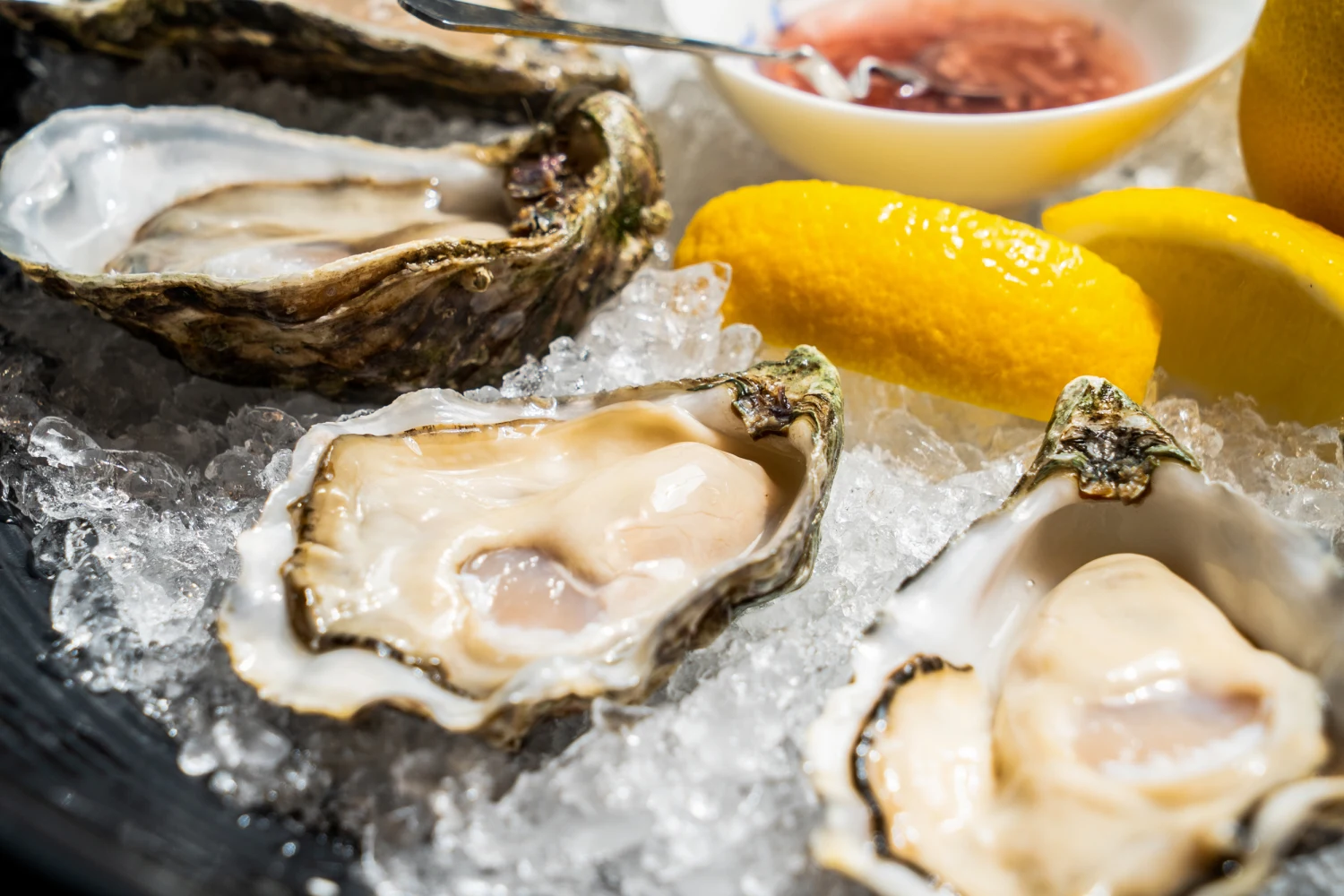
The U.S. Food and Drug Administration has issued an advisory regarding certain batches of raw oysters and Manila clams, cautioning that they may be contaminated with norovirus, reports Baltimore Chronicle. According to the March 9 advisory, restaurants and retailers are urged to immediately stop serving or selling the affected shellfish and to properly dispose of them. Consumers are strongly advised not to consume these products due to the potential health risk.
The recalled oysters were harvested by Drayton Harbor Oyster Company between February 13 and March 3, 2026, and were distributed within Washington state. Meanwhile, the Lummi Indian Business Council harvested the recalled Manila clams over the same period. These clams were sent to restaurants and retailers in Arizona, California, Florida, Georgia, Illinois, Nevada, New York, Oregon, and Washington, and may have reached additional states.
The FDA emphasized that shellfish contaminated with norovirus can cause illness even if they appear, smell, and taste normal. Individuals experiencing symptoms after consuming these products are advised to contact their healthcare providers and report their illness to local health departments. The agency noted that shellstock or raw live molluscan shellfish, such as oysters and clams, can provoke severe illness in people with weakened immune systems.
Norovirus remains the leading cause of foodborne illness in the United States, responsible for 58% of such cases annually and approximately 2,500 outbreaks each year, according to the Centers for Disease Control and Prevention (CDC). Common symptoms include nausea, vomiting, stomach cramps, and diarrhea, with fever, headache, and body aches also possible. Symptoms typically appear 12 to 48 hours after exposure and generally resolve within one to three days in healthy adults.
Health authorities recommend thorough handwashing with warm water and soap for at least 20 seconds as the most effective preventive measure against norovirus. Hand sanitizers alone are not sufficiently effective. The CDC advises washing hands after using the toilet, changing diapers, eating, and handling food.
Earlier we wrote that Why U.S. Fuel Costs Soared: Gas Hits $3.48 Amid Iran‑Linked Oil Supply Tension