

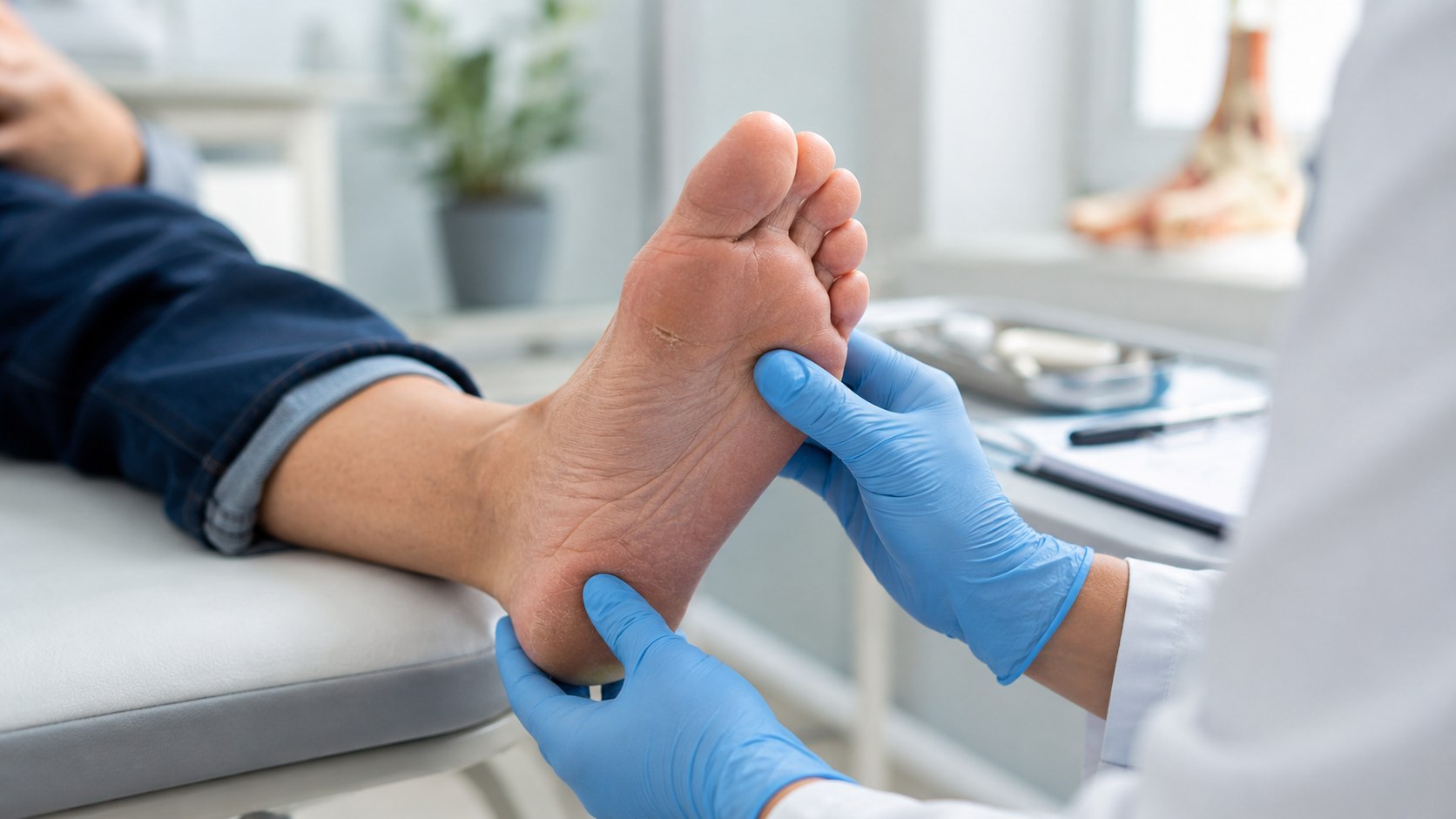
Diabetic foot is not just a skin problem. It is one of the most serious diabetes-related complications. It can begin with numbness, dry skin, a blister, or a small wound from tight shoes. The danger is that many patients do not feel pain in time. That is why early prevention matters as much as treatment, especially for people who already monitor early diabetes symptoms and long-term complications, as noted by the editorial team of Baltimore Chronicle.
Why diabetic foot develops silently
Diabetes can damage nerves and blood vessels over time. When nerves lose sensitivity, the foot may stop reacting to pain. A person can step on something sharp and notice it only later. Poor blood circulation makes the situation worse. Tissue receives less oxygen, so wounds heal slowly, as wrote swiatskarpet.pl.
This is why a small injury can become a serious ulcer. A blister, cracked heel, or callus may look harmless at first. But if pressure continues, the skin breaks deeper. Infection can then spread into soft tissue or bone. The most dangerous diabetic foot cases often start quietly.
Many patients also underestimate risk because they believe common myths about diabetes. Some think foot problems appear only in severe cases. Others believe pain is always the first warning sign. In reality, the absence of pain can be part of the problem. More about common misconceptions can be found in this Baltimore Chronicle article on diabetes myths.
Early warning signs patients should not ignore
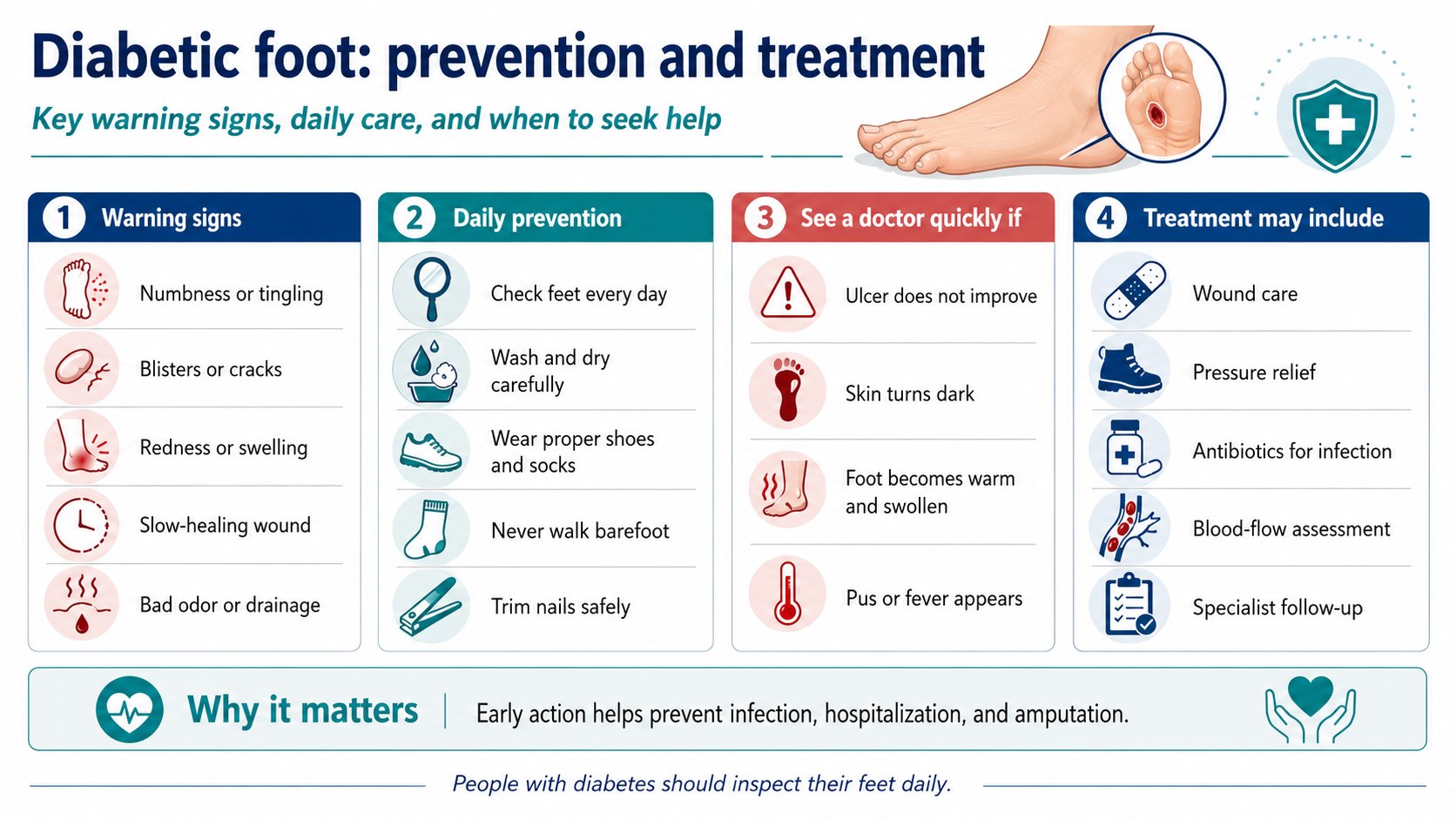
The first signs of diabetic foot complications are often simple. Redness, swelling, dry cracks, blisters, corns, or nail changes deserve attention. Tingling, burning, numbness, or a feeling of “walking on cotton” may signal nerve damage. A foot that feels colder than usual can suggest circulation problems. Dark skin, pus, odor, or fever requires urgent care.
Patients should examine both feet every day. The sole, heel, toes, and spaces between toes should be checked carefully. A mirror can help when it is hard to see the bottom of the foot. Family members can also help elderly patients or people with poor vision.
“A diabetic foot wound should never be treated like an ordinary scratch. In high-risk patients, time is part of the treatment.”
This rule is especially important for people with unstable blood sugar. Chronic fatigue, thirst, blurred vision, and weakness may also suggest poor metabolic control. Baltimore Chronicle has separately explained why constant fatigue can be linked to diabetes and other conditions.
Daily prevention at home
Diabetic foot prevention starts with a routine. Feet should be washed daily in warm water. Hot water should be avoided because reduced sensation increases burn risk. After washing, the skin should be dried well, especially between the toes. Moisturizer can be applied to dry areas, but not between toes.
Shoes are also part of prevention. They should not squeeze the toes or rub the heel. Before putting shoes on, patients should check the inside. Small stones, folds, or rough seams can cause injury. Socks should be clean, dry, and comfortable.
Before making foot care a habit, patients should remember several basic rules. They look simple, but they can prevent serious problems.
- Do not walk barefoot, even at home.
- Check feet every evening.
- Cut toenails straight, not too short.
- Do not remove corns with sharp tools.
- Avoid heating pads and very hot baths.
- Contact a doctor if a wound does not improve.
- Choose shoes with enough space for toes.
These steps are not cosmetic care. They are daily protection against ulcers and infection. Patients with poor eyesight should be especially careful. Problems with vision can make small wounds harder to notice, so regular eye care also matters. More practical advice is available in this article about how to improve eyesight at home.
Medical checks and risk levels
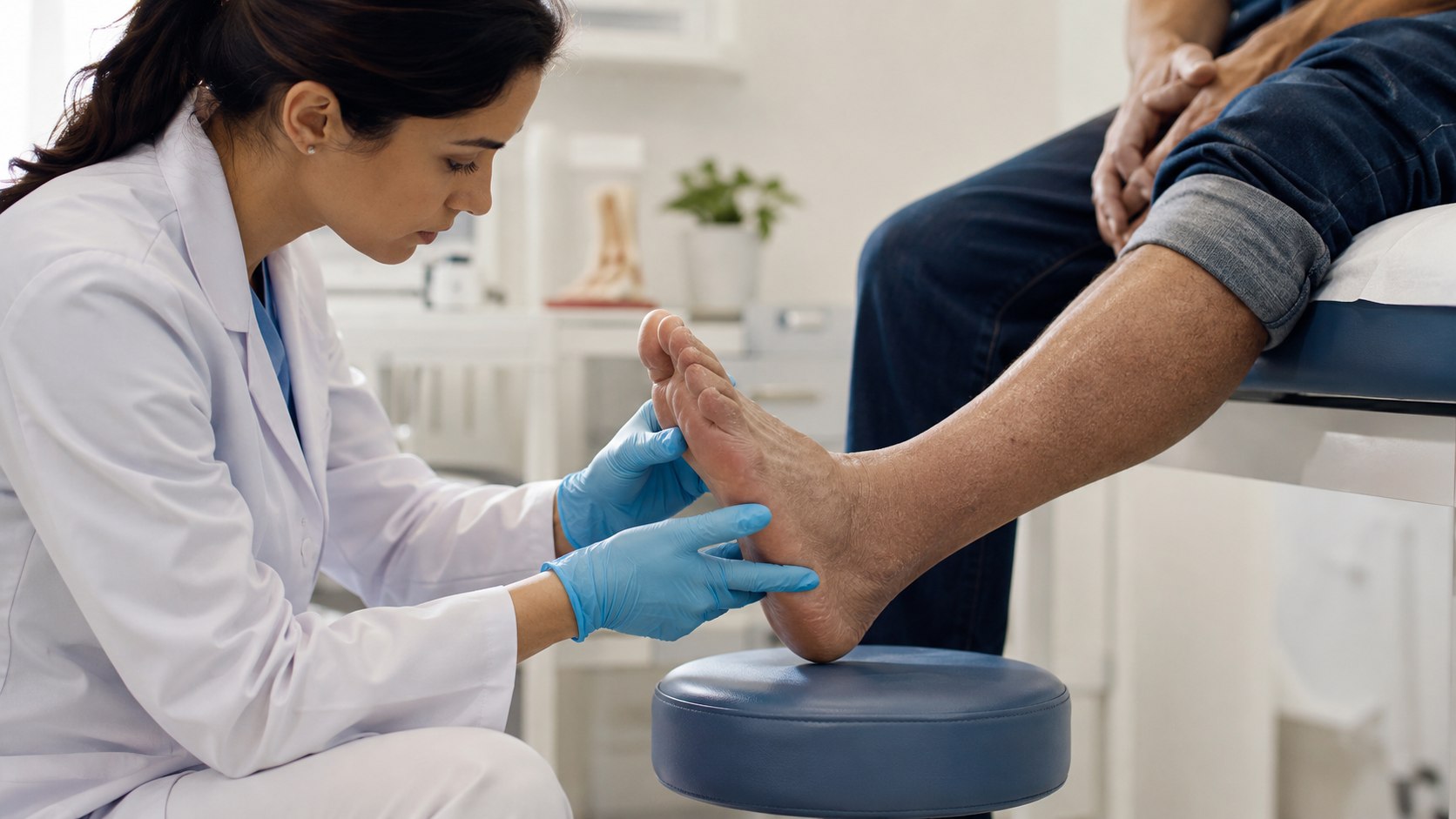
People with diabetes should not wait for symptoms before showing their feet to a doctor. A professional foot exam helps detect neuropathy, deformity, pressure points, and circulation problems. Some patients need yearly checks. Others need more frequent podiatry visits.
Before reading the overview below, it is important to understand one thing. Risk is not based only on how the foot looks today. Previous ulcers, poor blood flow, numbness, and foot deformity change the whole picture.
| Patient situation | Possible risk | What to do |
|---|---|---|
| No numbness and normal skin | Lower risk | Annual foot exam |
| Tingling or burning | Possible nerve damage | Daily checks and medical review |
| Calluses or deformity | Higher pressure risk | Footwear assessment |
| Previous ulcer | Very high risk | Regular specialist follow-up |
| Red, swollen, draining wound | Possible infection | Urgent medical care |
This simple structure helps patients understand when routine care is not enough. A patient with past ulcers should not follow the same schedule as a low-risk patient. Footwear may also need professional adjustment. In some cases, therapeutic shoes or insoles are necessary.
Treatment: what doctors usually do
Diabetic foot treatment depends on severity. A dry crack, mild blister, infected ulcer, and deep wound are different problems. Doctors usually assess wound depth, skin temperature, circulation, sensation, and infection signs. They may also check whether the bone is affected. Treatment can include cleaning the wound, pressure relief, antibiotics, vascular care, or surgery.
Pressure relief is often essential. If the patient keeps walking on the wound, healing becomes harder. Special shoes, casts, boots, or dressings may be used. Antibiotics are prescribed when infection is present. They should not be taken randomly without medical guidance.
Home care cannot replace medical treatment when an ulcer appears. Ointments, peroxide, alcohol, and aggressive cleaning can damage tissue. Cutting calluses alone is also risky. A podiatrist or wound-care specialist can remove dead tissue safely when needed.
Blood pressure, circulation and healing
Healthy circulation is critical for foot healing. High blood pressure, smoking, high cholesterol, and poor glucose control increase vascular risk. When blood flow is weak, wounds close slowly. Infection also becomes harder to control. That is why diabetic foot care is connected with heart and vessel health.
Patients should monitor blood pressure regularly. If readings are often high, medical advice is needed. Lifestyle changes may help, but medication is sometimes necessary. Baltimore Chronicle has also covered practical methods related to blood pressure control.
Exercise can improve circulation, but it must be safe. Walking may help some patients. But walking on an active ulcer can make it worse. Swimming, cycling, or supervised movement may be better in selected cases. The safest plan depends on foot condition.
When urgent care is needed
Some symptoms should not wait. A spreading red area can mean infection. Black or blue tissue can signal dangerous blood-flow problems. Fever, chills, pus, bad odor, or sudden swelling require urgent attention. Severe pain can also be a warning, especially if it appears suddenly.
Patients should also act quickly if a wound does not shrink. A small ulcer can become deep within days. The risk is higher when blood sugar is poorly controlled. Delayed treatment can lead to hospitalization. In severe cases, surgery may become necessary.
“The best diabetic foot treatment is the one that starts before the wound becomes deep.”
This is the practical message for patients and families. Daily checks, proper shoes, and early medical contact can save mobility. They can also reduce the risk of long treatment and repeated infections.
FAQ
What is diabetic foot?
Diabetic foot is a diabetes-related complication that affects skin, nerves, blood vessels, and soft tissue. It can lead to ulcers and infections. The main risk factors are neuropathy, poor circulation, pressure, and unnoticed wounds.
Can diabetic foot be prevented?
Yes, many cases can be prevented. Daily inspection, good footwear, skin care, and medical foot checks reduce risk. Blood sugar, blood pressure, and cholesterol control also support prevention.
What are the first symptoms of diabetic foot?
Early symptoms may include numbness, tingling, burning, dry cracks, redness, swelling, or slow-healing wounds. Some patients feel no pain. That is why visual checks are important.
When should a diabetic foot wound be treated urgently?
Urgent care is needed if there is pus, bad smell, fever, black tissue, spreading redness, or severe swelling. A wound that does not improve should also be examined quickly.
What shoes are best for diabetic foot prevention?
Shoes should be comfortable, stable, and wide enough for the toes. They should not rub or create pressure points. Patients with neuropathy or previous ulcers may need special medical footwear.
Earlier we wrote about How to Choose a Portafilter for an Espresso Machine: Expert Coffee Tips, Sizes, and Mistakes to Avoid