

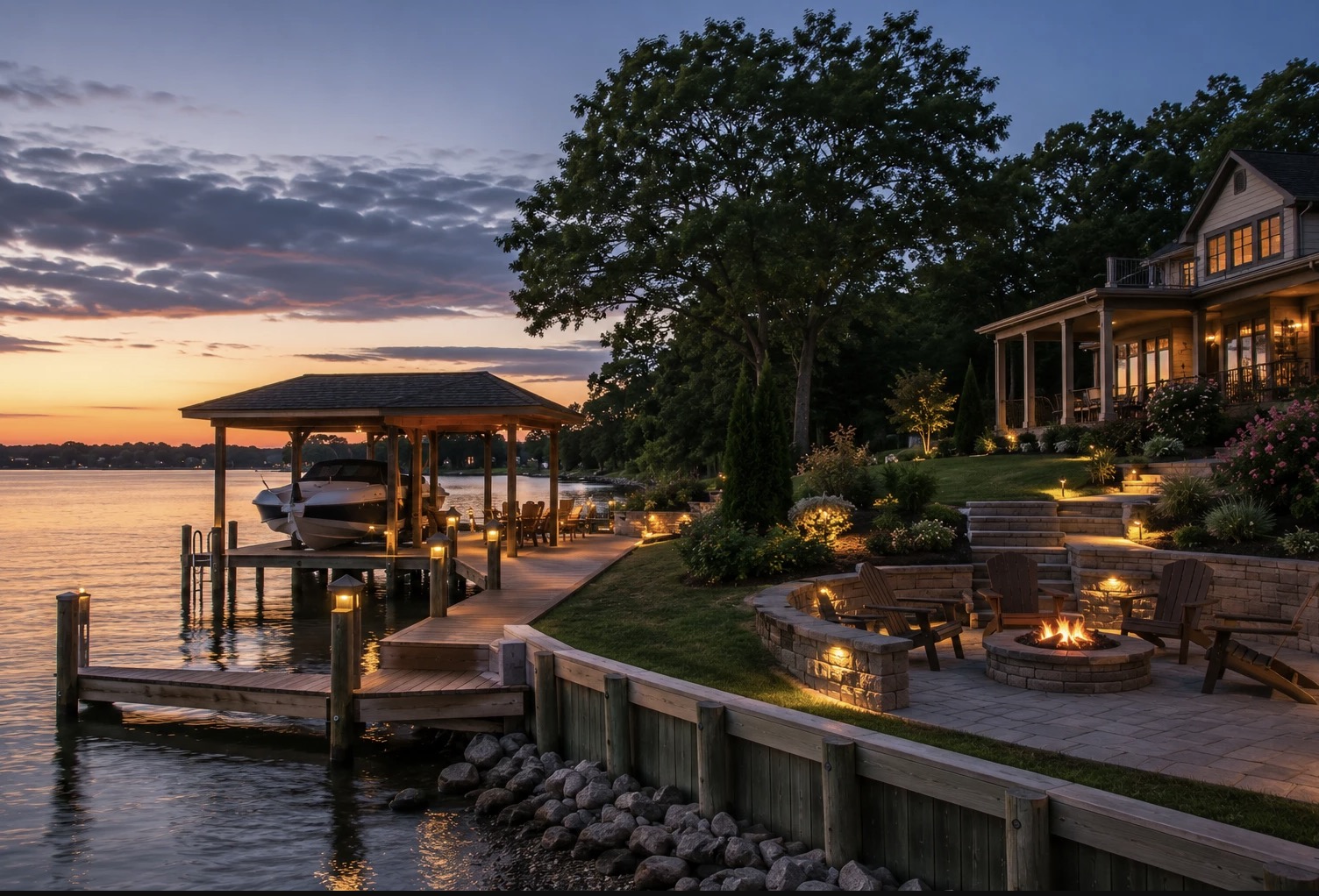
However, owning property near water also creates unique challenges that directly affect long-term usability, safety, and overall value. Shoreline erosion, unstable soil, water damage, and limited access can gradually reduce the functionality and appearance of the property if these issues are not properly addressed.
Marine construction helps solve these problems by stabilizing the shoreline and improving how waterfront properties function over time. Property owners looking for long-term waterfront improvement solutions can explore available shoreline protection and marine construction systems through Shore Protect Team, where different project approaches are presented based on actual waterfront conditions.
Why shoreline condition directly affects property value
The condition of the shoreline plays a major role in how waterfront property is perceived and maintained. Even visually attractive properties can lose value if erosion or structural instability becomes visible.
- Visible erosion reduces visual appeal – collapsing shorelines, exposed soil, and unstable slopes create the impression of poor property condition and increase concerns about future damage.
- Unstable land creates safety risks – soft or collapsing shoreline areas make waterfront access more dangerous and limit how the property can be used.
- Water damage affects nearby structures – ongoing shoreline movement can eventually impact landscaping, walkways, docks, patios, and buildings near the water.
- Lack of shoreline protection increases uncertainty – properties without visible protection systems are often viewed as higher-risk investments.
Because of these factors, waterfront protection becomes an important part of maintaining long-term property value.
How bulkheads improve waterfront properties
Bulkheads are among the most effective marine construction systems used to stabilize shorelines and preserve land near the water.
Shoreline stabilization
The primary purpose of a bulkhead is to prevent soil erosion and maintain a stable shoreline edge.
- Prevents gradual land loss caused by wave activity
- Creates a defined and secure property boundary
- Reduces soil movement during changing water conditions
Improved appearance
A professionally installed bulkhead creates a cleaner and more organized waterfront appearance.
- Provides a straight and visually consistent shoreline
- Improves integration with landscaping and docks
- Creates a more finished waterfront environment
Long-term protection
Bulkheads help protect nearby structures and reduce future shoreline repair needs.
- Supports surrounding infrastructure
- Improves long-term shoreline durability
- Helps maintain usable waterfront space
How docks and piers add functional value
Marine construction is not only about shoreline protection. Functional waterfront structures also improve how the property is used.
- Improved water access – docks and piers provide safe and convenient access for recreational and practical waterfront use.
- Expanded usable space – waterfront structures increase the functional area of the property and improve usability near the water.
- Enhanced recreational appeal – properties with well-designed docks and piers are often more attractive for boating, fishing, and outdoor activities.
- Stronger visual presentation – professionally built waterfront structures improve the overall appearance of the property.
Why professionally planned projects perform better
Long-term waterfront performance depends heavily on proper planning and construction quality.
- Correct material selection – choosing the right materials for water exposure and shoreline conditions increases durability.
- Site-specific design – each shoreline behaves differently, requiring solutions designed for the actual environment.
- Proper drainage and support systems – hidden structural components often determine how well the shoreline performs over time.
- Integrated shoreline solutions – combining protection and usability creates better long-term results.
Common mistakes that reduce waterfront value
In many cases, property value decreases because shoreline issues are ignored or addressed incorrectly.
- Delaying shoreline repairs – small erosion problems gradually become larger and more expensive to fix.
- Using temporary solutions – short-term fixes rarely provide long-term shoreline stability.
- Ignoring drainage issues – poor drainage increases pressure behind shoreline structures and accelerates deterioration.
- Choosing the wrong construction approach – mismatched systems may fail to provide reliable long-term performance.
Long-term financial advantages of marine construction
Although marine construction requires investment, properly designed shoreline systems often reduce future costs and improve overall property stability.
- Reduced erosion repair costs – stabilized shorelines require fewer emergency repairs over time.
- Lower maintenance requirements – durable construction systems reduce long-term upkeep.
- Improved resale appeal – protected waterfront properties are often more attractive to future buyers.
- Preservation of usable land – shoreline stabilization helps maintain the original size and function of the property.
- Long-term structural protection – reducing shoreline movement protects nearby infrastructure and landscaping.
Why early shoreline improvement matters
Property owners who address shoreline issues early usually have more flexibility in selecting solutions and controlling project costs. Early intervention also helps avoid major structural problems later.
Waiting too long often leads to increased shoreline deterioration, reduced property usability, and more complicated reconstruction projects.
Final thoughts
Marine construction plays a major role in protecting and improving waterfront properties. Stabilized shorelines, functional waterfront structures, and properly designed protection systems all contribute to stronger long-term property performance.
By investing in shoreline stability and professionally designed waterfront improvements, property owners can protect their land, improve usability, and maintain higher long-term property value in changing waterfront conditions.