

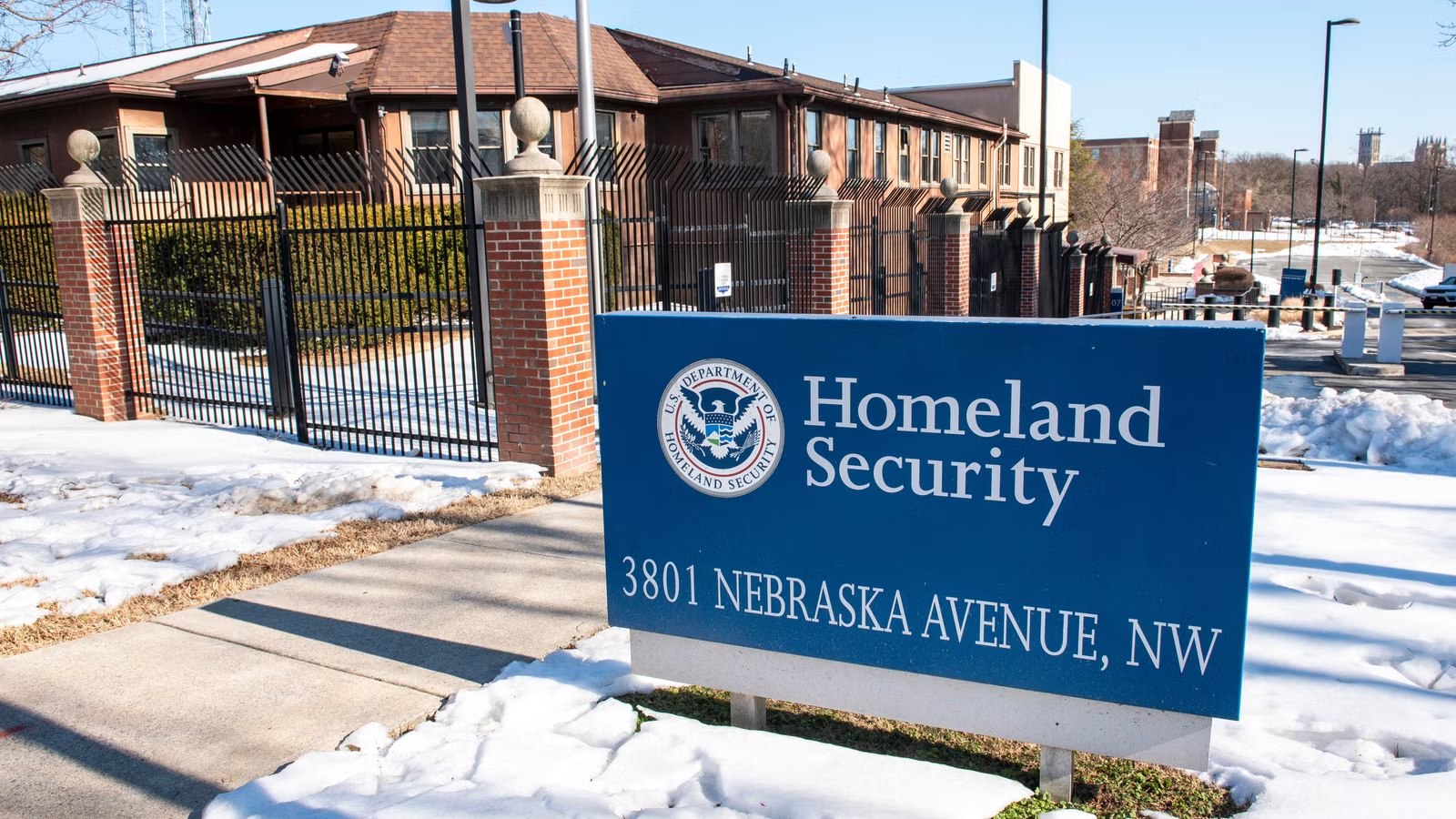
Ebola screening at Dulles is now becoming a central part of the U.S. response to the outbreak in Central and East Africa, as federal authorities redirect certain international arrivals to Washington Dulles International Airport in Virginia. The new order applies to travelers who have recently been in the Democratic Republic of the Congo, Uganda or South Sudan, including U.S. citizens, with checks focused on the 21-day incubation window for Ebola disease, as noted by the Baltimore Chronicle editorial team via atocentr.sumy.ua.
Why DHS is routing travelers through Dulles
The Department of Homeland Security has ordered affected passenger flights to arrive at Washington Dulles International Airport, where federal health resources can be concentrated. The rule follows CDC measures introduced on May 18, 2026, including enhanced traveler monitoring and entry restrictions for some non-U.S. passport holders who were recently in Uganda, the DRC or South Sudan. CDC says the immediate risk to the general U.S. public remains low, but federal agencies are acting because Ebola can be severe and spreads through direct contact with infected bodily fluids.
The order does not apply to cargo-only flights or crew members. It targets people who were in the affected countries within the previous 21 days, which matches the monitoring period used for Ebola exposure. DHS has not publicly detailed every step passengers will face on arrival, but officials have described the process as enhanced screening, travel monitoring and health protection response activity.
Which countries are covered by the order
The new U.S. travel measure focuses on three countries: the Democratic Republic of the Congo, Uganda and South Sudan. The DRC and Uganda are directly linked to the current Ebola outbreak, while South Sudan is included in the U.S. travel measures because of regional movement and border-related risk concerns. WHO said the outbreak caused by Bundibugyo virus in the DRC and Uganda constitutes a public health emergency of international concern, though it does not meet the threshold for a pandemic emergency.
| Category | What travelers should know |
|---|---|
| Main U.S. airport | Washington Dulles International Airport in Virginia |
| Countries named | Democratic Republic of the Congo, Uganda, South Sudan |
| Screening window | Travel or presence within the past 21 days |
| Included travelers | U.S. citizens and other passengers covered by the order |
| Excluded flights | Cargo-only flights and crew-only operations |
| Public risk in U.S. | CDC currently describes the immediate risk as low |
For passengers, the practical message is simple: recent travel history now matters as much as the flight route itself. A traveler may be affected even if they arrive through a third country, because the rule is based on recent presence in the named countries. Airlines are also expected to coordinate with U.S. authorities before passengers board U.S.-bound flights.

What health officials are watching
The outbreak has raised concern because it involves Bundibugyo virus disease, a form of Ebola for which WHO says there are currently no approved Bundibugyo-specific vaccines or therapeutics. WHO reported confirmed and suspected cases in the DRC and confirmed cases in Uganda, with uncertainty around the full scale of transmission. The agency also cited high local and regional risk because of population movement, healthcare challenges and insecurity in affected areas.
For U.S. passengers, the Dulles screening order is not a sign of domestic spread. It is a border-health measure designed to detect risk early and centralize response capacity.
Travelers who were recently in the affected region should watch for symptoms such as fever, weakness, vomiting, diarrhea or unexplained bleeding. CDC advises people to seek medical care immediately if symptoms appear within 21 days of travel. Anyone in that situation should call ahead before visiting a clinic or emergency room, so staff can prepare safely.
What passengers should do before flying
Passengers with recent travel to the named countries should prepare for extra questions and possible delays. The process may include travel-history checks, symptom review and public health instructions after arrival. Families, business travelers and aid workers should keep documents accessible, including itineraries, boarding passes and local contact details.
Travelers can reduce confusion by preparing these items before departure:
- Passport and visa documents
- Full travel history for the past 21 days
- Hotel, work or field-location details
- Emergency contact information
- Health insurance and medical contact details
- Recent symptom notes, if any symptoms appeared
After the screening process, travelers may receive monitoring instructions from public health officials. That does not automatically mean they are sick. In most cases, monitoring is a precaution used to detect symptoms quickly if they develop later.
Why Dulles was chosen for the response
Dulles is already one of the major international gateways for the Washington region. Centralizing arrivals there allows federal agencies to focus staff, public safety support and public health resources in one place. The Metropolitan Washington Airports Authority said it is working with federal partners and does not expect significant impacts on airport customers, according to the statement reported by 7News.
The decision also reflects a broader pandemic-era lesson: fragmented screening across many airports can complicate coordination. A single airport route gives CDC, CBP and airport authorities a clearer operational picture. It also helps airlines receive consistent instructions when dealing with passengers who have complex travel histories.
What this means for the U.S. public
For people in the United States, the main takeaway is caution, not panic. CDC says there are currently no confirmed Ebola cases in the United States and continues to assess the public risk as low. The risk for ordinary airport customers is also considered low because Ebola does not spread through casual airborne contact like flu or COVID-19.
Still, the new order shows how quickly international health rules can change during an outbreak. Travelers with routes connected to Africa should check airline notices, CDC travel guidance and airport updates before departure. The situation may shift again if case numbers rise, transmission patterns change or WHO updates its recommendations.
Earlier we wrote that Morgan State University receives $8.9 million federal grant for molecular biology research expansion