

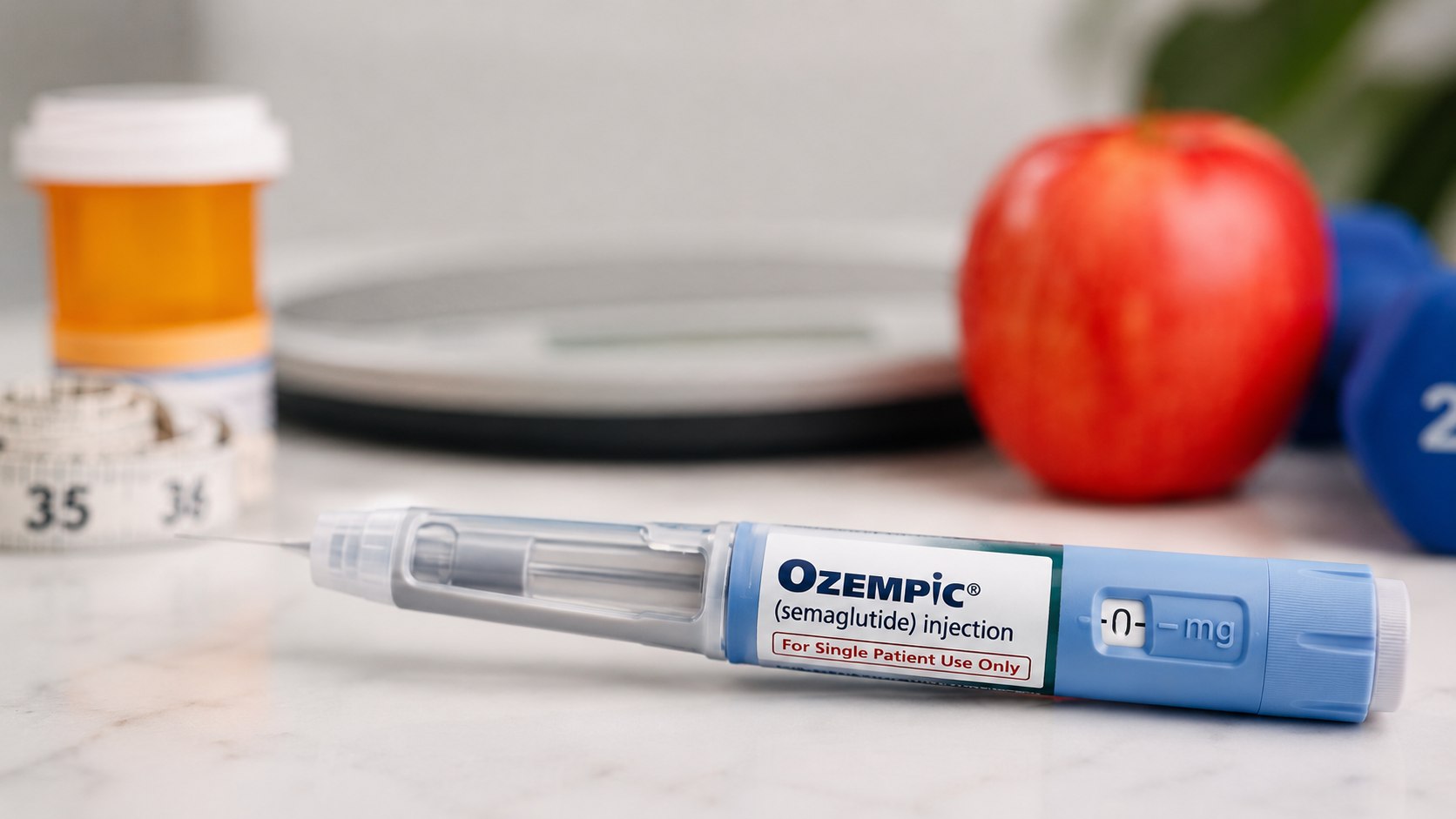
Ozempic will become cheaper for Maryland state employees after regulators approved a new payment ceiling for the high-demand diabetes and weight-loss drug. The state’s Prescription Drug Affordability Board set an upper payment limit of $274 for a 30-day supply. Without insurance, the drug can cost more than $1,000 a month. The first phase covers government employee health plans, with statewide expansion planned for 2028, as Baltimore Chronicle notes.
Why Maryland moved to cap Ozempic costs
The decision comes as Ozempic costs and other GLP-1 drug prices put pressure on public health plans. Some school districts had already removed these medications from coverage to control spending. Ben Schmitt of the Howard County Education Association said GLP-1 drugs could add $10 million to next year’s healthcare premiums.
Officials and advocates say the cap may ease that pressure. Catherine Kirk Robins of Healthcare for All said government entities could save about $5.8 million a year.
What changes for patients and insurance plans
The cap now affects public employee health plans, but the larger shift will come in 2028. At that point, the Maryland Ozempic cap is expected to apply statewide. Advocates estimate potential annual savings of about $164 million.
Key points for readers:
- The new payment limit is $274 for a 30-day supply.
- The first phase covers government employee plans.
- A statewide rollout is planned for 2028.
- Savings may help patients, taxpayers and insurance premiums.
- Some workers could regain access to GLP-1 coverage.
For many families, the issue is not only medical access. It is also whether insurance premiums remain affordable.
How the Ozempic price cap could affect Maryland
| Issue | What changes |
|---|---|
| Current price pressure | Ozempic can exceed $1,000 monthly without insurance |
| New payment limit | $274 for a 30-day supply |
| First group affected | Government employee health plans |
| Wider rollout | Statewide cap expected in 2028 |
| Estimated savings | About $164 million yearly statewide |
After the vote, advocates said public input will matter for future drug limits. Ozempic is the second drug targeted by the board. The next medicine has not yet been chosen, but Marylanders can report which prescriptions are creating the greatest financial burden.
What happens next
The next stage will test whether the GLP-1 drug price cap can restore coverage without overloading health plans. Schmitt said the measure could help negotiate better pricing and bring medications back for members who lost access.
For now, Maryland is sending a clear signal. Expensive prescription drugs are becoming a direct affordability issue, not only a medical one.
Earlier we wrote about diabetic foot: prevention, warning signs and treatment before serious complications