

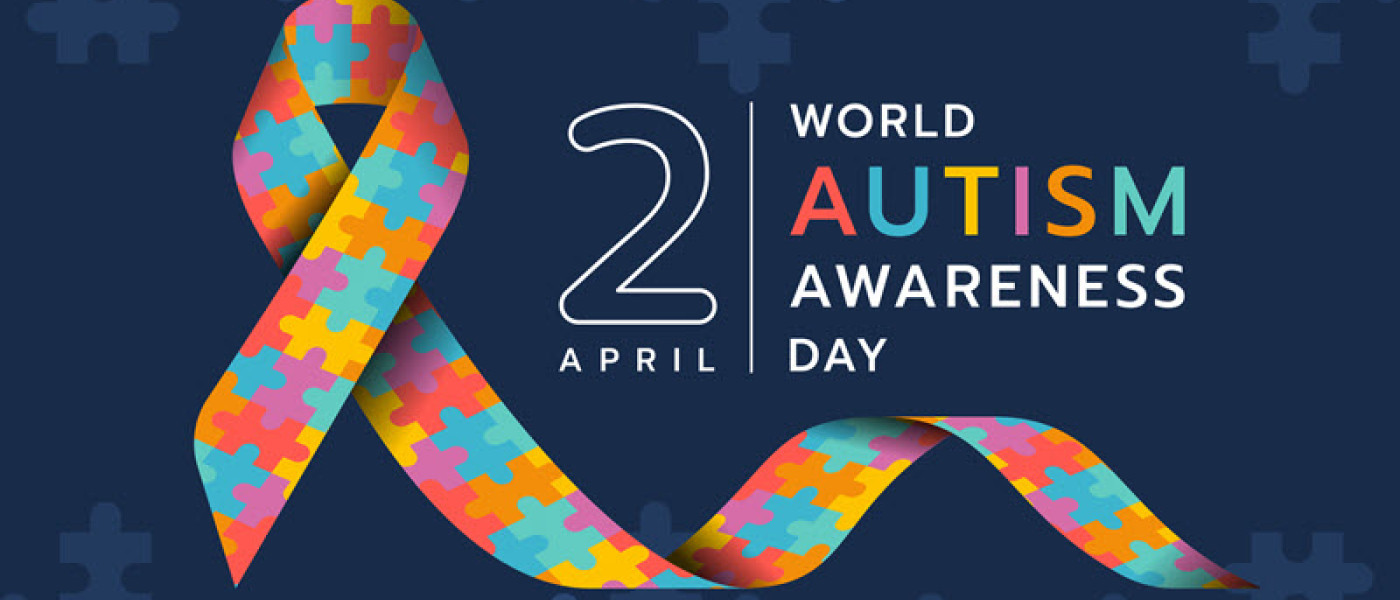
World Autism Awareness Day 2026 serves as a global call to action to recognize the inherent dignity and worth of autistic individuals. This year, the World Health Organization is emphasizing the urgent need for neuroinclusive environments across all sectors of society. From workplaces to healthcare systems, the goal is to dismantle the barriers that prevent full participation. Current statistics indicate that 1 in 127 people worldwide is diagnosed with a neurodevelopmental condition. This makes autism a significant contributor to global health loss, ranking among the top 10 brain health conditions. Despite various international human rights conventions, stigma remains a persistent obstacle for many families. Access to quality, timely support services is still a luxury in many regions, driving social inequalities. Addressing these systemic challenges requires sustained government investment and a shift in cultural perception. Inclusive education and early identification are proven tools to improve long-term well-being and social integration. Community-based services must be strengthened to uphold the rights of every autistic person, as noted by Baltimore Chronicle.
Global statistics and the impact of neurodevelopmental conditions
The prevalence of autism highlights its status as a lifelong neurodevelopmental condition affecting communication and social interaction. Global data suggests that the burden of health loss associated with brain health is rising steadily. Early identification remains the most effective intervention to ensure children reach their full potential. Without inclusive policies, autistic people face a life course marked by discrimination and limited economic opportunity. Governments are being urged to increase their commitment to data-informed decision-making. Strengthening healthcare frameworks is essential to provide nurturing care for children with developmental delays.
| Global indicator | Statistical value | Impact level |
| Prevalence rate | 1 in 127 people | High |
| Global health rank | Top 10 brain conditions | Critical |
| Primary barriers | Stigma and discrimination | Severe |
| Key intervention | Early identification | Transformative |
| Focus of 2026 | Neuroinclusive environments | Strategic |
These figures underscore the necessity of a coordinated international response to support neurodivergent populations. Many nations still lack the specialized training required for healthcare providers to manage complex developmental needs. The success of any inclusive policy depends on the active participation of the autistic community in the design process. Investment in mental health frameworks is no longer optional but a requirement for social stability. By providing practical approaches to support, we can bridge the gap between policy and reality. Ensuring that sports, education, and workplaces are accessible is the hallmark of a civilized society.
Practical approaches to supporting caregivers and families
Caregivers play a central role in the lives of autistic children, yet they often lack adequate training and emotional support. On April 27, 2026, a new WHO webinar will launch a specialized training program for those supporting children with developmental delays. This initiative focuses on practical, community-based solutions to strengthen inclusive care within the family unit. Nurturing care in the early years significantly improves the ability of autistic people to participate in society. Practical guidance is being developed to help governments integrate these services into broader disability frameworks.
- Early screening programs in primary healthcare settings to identify neurodevelopmental delays.
- Teacher training modules focused on neurodiversity and sensory-friendly classroom environments.
- Workplace adjustments that value neurodivergent talent and provide necessary sensory accommodations.
- Peer support groups for caregivers to share experiences and reduce social isolation.
- Legal protections against discrimination in insurance and healthcare coverage.
- Public awareness campaigns to normalize neurodiversity and reduce public stigma.
The implementation of these points requires a shift from a medical model of disability to a rights-based approach. Families often struggle with the financial burden of specialized therapies, which are rarely covered by basic insurance. Inclusive environments are not just beneficial for autistic people; they create a more empathetic society for everyone. Strengthening the bond between caregivers and professionals ensures a holistic approach to child development. We must move beyond “awareness” and toward active “acceptance” and “inclusion” in every neighborhood.
Government commitment and the path to neuroinclusion
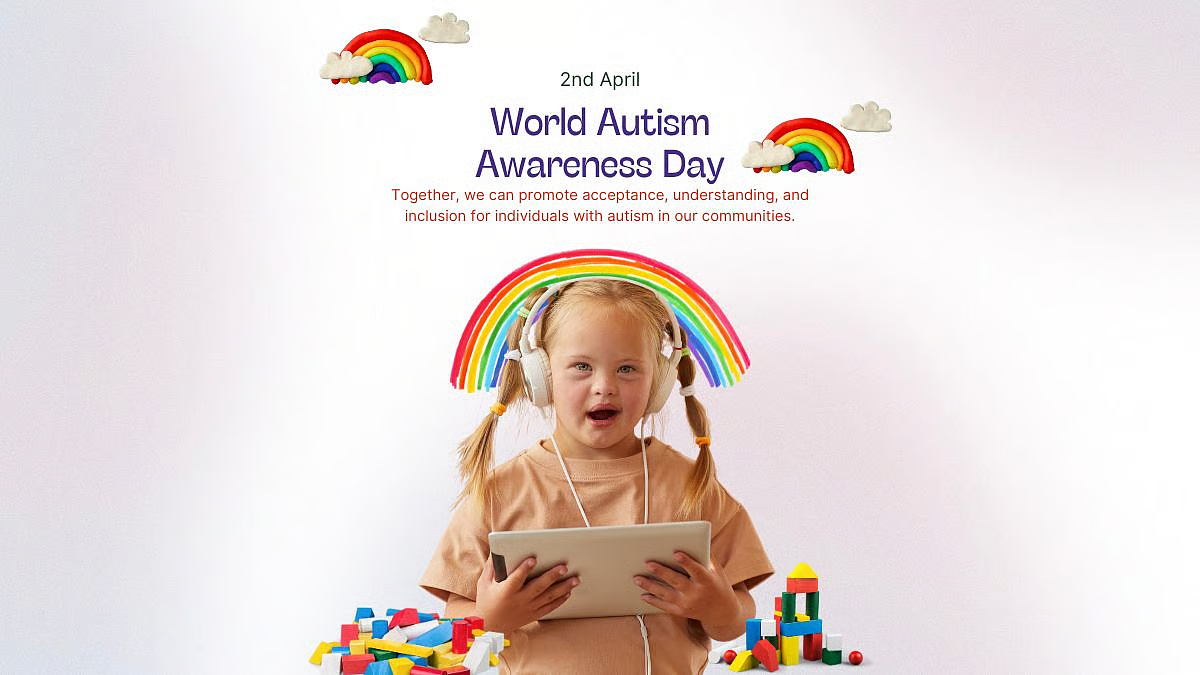
Sustained action from world leaders is necessary to turn international conventions into lived experiences for autistic individuals. WHO is currently providing guidance on inclusive policies that fit within mental health and brain health frameworks. This includes improving the quality of life through better data collection and localized community services. By promoting neuroinclusive workplaces, we can unlock the potential of a massive, often overlooked workforce. Data-informed decision-making helps target resources where they are most needed, especially in low-income regions.
Inclusion is not a charitable act; it is a fundamental human right that benefits the entire global economy.
Dr. Sarah Jenkins, a leading neurologist, states: We see a 40 percent improvement in social outcomes when inclusive education starts before the age of 5. Governments must realize that early investment saves billions in long-term social support costs.
A parent of an autistic teenager, Mark Thompson, shares: Finding a workplace that understands my son’s sensory needs was a game-changer for his mental health.
The dignity and worth of autistic people must be reflected in the laws that govern our daily lives. As we mark World Autism Awareness Day 2026, let us commit to building a world where neurodiversity is celebrated. Policies must promote environments where every brain is valued and every voice is heard. The journey toward a neuroinclusive world is long, but the steps we take today are vital. Join the global community in advocating for the rights and dignity of all.
Earlier we wrote about Lunar calendar for haircuts in April 2026 in USA: Best dates for hair growth and style