


Cost of living in Baltimore sits at a crossroads that confuses a lot of people planning a move. Compared to Washington D.C., just 40 miles south, it looks like a genuine deal. Compared to smaller Midwestern cities, it still demands a serious monthly budget. According to the U.S. Bureau of Labor Statistics, households in the Baltimore-Columbia-Towson metro area spent an average of roughly $95,762 per year in 2023–24 — which breaks down to about $7,980 per month before any discretionary spending. As Baltimore Chronicle has documented in years of local reporting, that number hides a wide spread depending on your neighborhood, commute style, and grocery habits.
TL;DR: Baltimore is cheaper than D.C. and most coastal metros, but more expensive than many people assume going in. Rent is the single biggest variable — you can pay $1,100/month in Hamilton or $2,400+ in Federal Hill. Transit is affordable and genuinely functional on rail corridors. Budget roughly $3,200–$4,500/month for a single person renting a one-bedroom, depending on neighborhood and lifestyle.
What “Affordable” Actually Means in Baltimore
Is Baltimore affordable? That depends entirely on your reference point.
The Consumer Price Index for the Baltimore-Columbia-Towson metro area rose 3.4 percent for the 12 months ending in December 2025, according to the BLS Mid-Atlantic regional office. That’s above the 2–3 percent range most financial planners treat as comfortable inflation, which means your purchasing power in the city has been shrinking modestly but steadily. Baltimore has historically offered lower housing costs than comparable East Coast cities, and that advantage still exists. The gap, however, has been closing in popular neighborhoods like Canton, Hampden, and Fells Point, where rents have climbed sharply since 2020. If you’re willing to look at Highlandtown, Belair-Edison, or Govans, the affordability story is much stronger.
The city also layers Maryland’s state income tax on top of a local piggyback tax — a combination that meaningfully reduces take-home pay for anyone earning above median income. It’s a line item that surprises transplants from states like Florida or Texas. Factor it into your monthly budget before you sign a lease.

Average Rent in Baltimore: The Real Numbers by Neighborhood
Average rent in Baltimore is not one number — it’s a spectrum that runs from genuinely accessible to firmly premium, sometimes within a few blocks.
| Unit Type | Budget Area | Mid-Range | Premium |
|---|---|---|---|
| Studio | $900–$1,100 | $1,200–$1,500 | $1,600–$1,900 |
| 1 Bedroom | $1,050–$1,300 | $1,400–$1,700 | $1,800–$2,400 |
| 2 Bedroom | $1,200–$1,550 | $1,650–$2,000 | $2,100–$2,800 |
| 3 Bedroom | $1,400–$1,800 | $1,900–$2,400 | $2,500–$3,500 |
Rates may change. Confirm current pricing directly with landlords or current listings before committing.
Budget areas include Hamilton, Lauraville, Govans, and Belair-Edison. Mid-range covers Hampden, Remington, and Waverly. Premium zones are Federal Hill, Fells Point, Canton, and Harbor East. These are directional ranges, not guarantees — individual listings vary based on condition, amenities, and whether the landlord has renovated recently.
Rowhouses — Baltimore’s defining housing type — often rent cheaper per square foot than comparable apartments in other cities. A two-story, two-bedroom rowhouse in Hampden can still be found around $1,500–$1,700/month. The same footprint in a renovated Fells Point building will clear $2,200 easily.
Renters who prioritize space over location have real options here.
Baltimore Utility Costs
Baltimore utility costs are moderate by East Coast standards, but the city’s older housing stock is the wild card.
A typical 700–900 sq. ft. apartment runs roughly $70–$120/month for electricity through BGE, Maryland’s dominant utility provider. Gas heating in winter adds $60–$150/month depending almost entirely on how well the unit is insulated — and many of Baltimore’s century-old rowhouses are not well insulated. Water and sewer are often included in rent for apartment buildings; if you’re responsible for them separately, budget $30–$60/month. Internet from major providers runs $50–$90/month, with low-income options available through some carriers.
Always ask a landlord for average monthly utility bills before signing. It’s a reasonable question, and the answer can shift your total monthly cost by $100–$200.

Baltimore Transportation Costs: Transit, Cars, and What Actually Works
Baltimore transportation costs split sharply between households that use the MTA and those that drive.
The Maryland Transit Administration charges $2.00 for a single trip on CityLink, LocalLink, Express BusLink, Metro SubwayLink, and Light RailLink. A monthly unlimited pass for local service costs $77.00 at full fare. Seniors and riders with disabilities pay $23.00 per month. Children age 12 and under ride free.
A weekly pass costs $22.00 and covers unlimited local service for seven days. If you purchase more than four day passes in a single week, the weekly pass becomes the better value. For hybrid workers commuting two or three days a week, CharmFlex bundles available on the CharmPass app offer roughly 15% savings over individual day passes.
The transit network has real limitations worth naming clearly. The Metro SubwayLink runs one line — northwest from Johns Hopkins Hospital through downtown to Owings Mills. Light Rail runs north-south from Hunt Valley to BWI and Cromwell Station. If you live near either corridor, car-free life is genuinely workable. If you’re in East Baltimore or parts of West Baltimore away from rail, you’ll depend on bus routes with inconsistent frequency. Car owners should budget $100–$160/month for parking in most neighborhoods, more in downtown garages. Maryland auto insurance averages above the national median. All-in, owning and operating a car in Baltimore typically runs $500–$800/month depending on age of vehicle and how much you drive.
Food and Groceries: Where You Shop Defines What You Pay
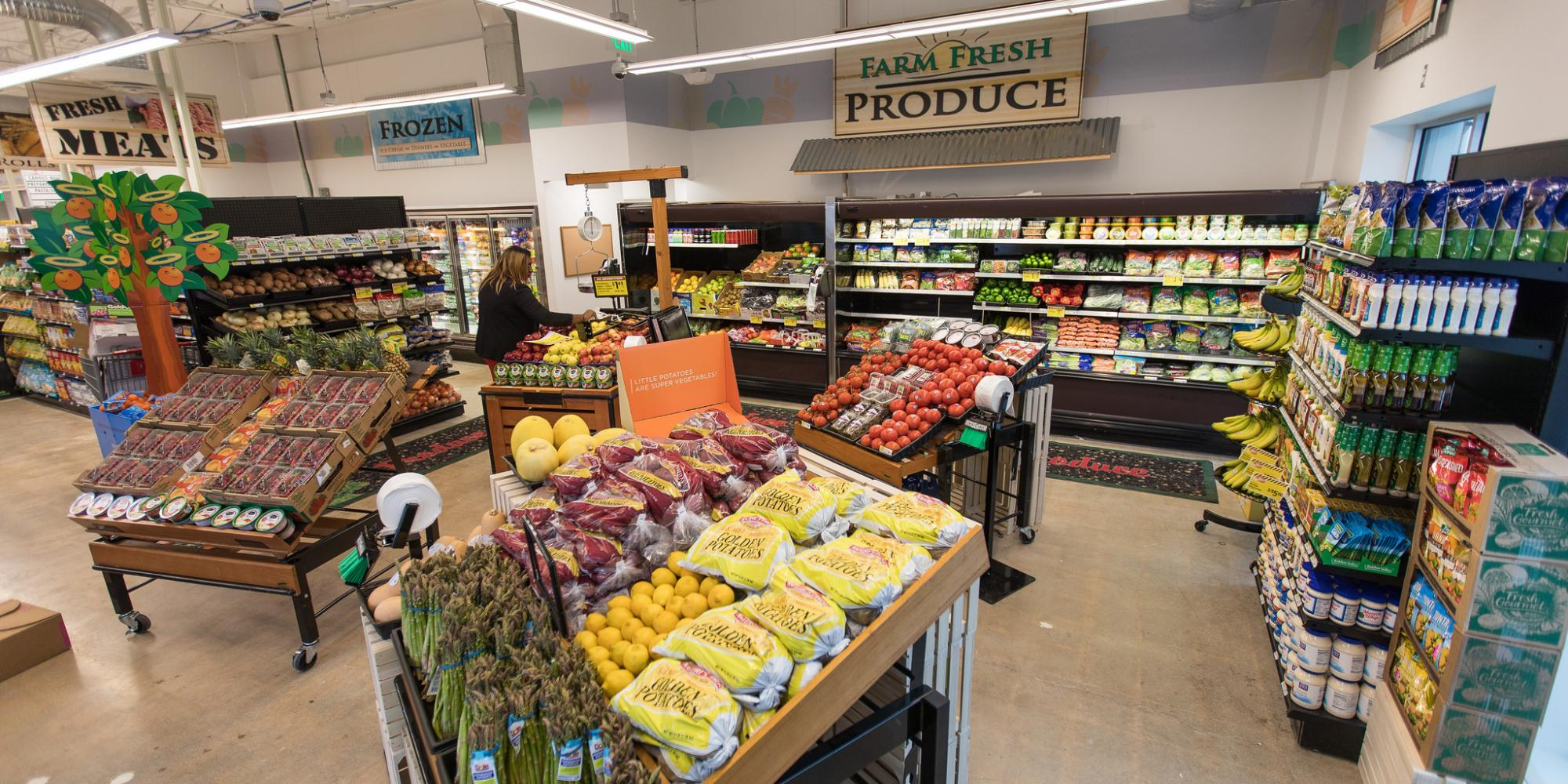
A single person with moderate cooking habits spends roughly $250–$380/month on groceries in Baltimore.
Where you shop makes a larger difference here than in many cities. The options range widely:
- ALDI — lowest prices, solid basics, limited brand variety
- Safeway and Giant — mainstream pricing, frequent sales worth tracking
- Harris Teeter — mid-to-high range, convenient locations in Canton and Federal Hill
- Whole Foods (Harbor East) — premium, excellent quality, budget accordingly
- H Mart near Catonsville — very competitive on produce and Asian groceries
Eating out in Baltimore runs cheaper than D.C. A lunch in Fells Point or Remington averages $14–$22. Dinner at a neighborhood restaurant with one drink typically lands $30–$50 per person. The city has a genuinely strong dining culture, and mid-range spots often outperform their price point.
“Baltimore has one of the most underrated food scenes on the East Coast. You’re paying D.C. prices only if you choose D.C.-priced places.”
Crab, naturally, is the exception — a proper crab feast will cost you.
Neighborhood Cost Breakdown
Baltimore’s neighborhoods vary so much that choosing the wrong one for your budget can cost you $500–$700/month in unnecessary rent.
Best for budget-conscious renters:
- Hamilton and Lauraville — quieter family areas, lower rents, good for those with cars
- Govans — near Hopkins Homewood, solid bus access, reasonable prices
- Belair-Edison — community-oriented, affordable rowhouses, improving amenities
Mid-range with walkability:
- Hampden — independent shops, cafes, well-known character, rising rents
- Remington — cycling-friendly, good food, transitional and gentrifying
- Waverly — near the Saturday farmers market, traditional feel, genuine community
Premium zones:
- Federal Hill — Inner Harbor views, dense young professional population
- Fells Point — historic, walkable, tourist-adjacent pricing on everything
- Canton — waterfront park, bar scene, strong transit to downtown
If schools matter to your decision, neighborhood boundaries map differently than cost boundaries — research the zone before prioritizing a rent price.
MTA Fare Reference
Current MTA fares for local service (verify at mta.maryland.gov before purchasing):
| Pass Type | Full Fare | Senior/Disability |
|---|---|---|
| Single trip | $2.00 | $1.00 |
| Day pass | $4.60 | $2.30 |
| Weekly pass | $22.00 | — |
| Monthly pass | $77.00 | $23.00 |
Who This Guide Is For
This breakdown is most useful for remote workers comparing Baltimore to D.C. or Philadelphia, grad students at Hopkins, MICA, or University of Maryland calculating monthly burn, and young professionals choosing between neighborhoods before signing a lease.
If you’re earning $55,000–$80,000 and working in the city, Baltimore is manageable with thoughtful choices. Under $45,000, it requires real trade-offs — likely neighborhood, transit dependency, or unit size.
Common Budgeting Mistakes
People consistently miss the same line items when planning a Baltimore move:
- Assuming the “Baltimore is cheap” reputation applies to their target neighborhood — it often doesn’t anymore
- Underestimating winter heating costs in older rowhouses
- Forgetting Maryland’s layered income tax structure (state plus city piggyback)
- Budgeting for transit without checking whether their specific commute is actually rail-accessible
- Using 2020–2021 rent data to set expectations for 2026 listings
The city has changed faster in the last five years than in the decade before. Old benchmarks mislead.
FAQ
Q: Is Baltimore cheaper than Washington D.C.?
Yes, significantly. Average rents in Baltimore run 30–45% lower than comparable units in D.C., and the MTA monthly pass costs a fraction of a WMATA monthly.
Q: What is the average rent in Baltimore for a one-bedroom?
Across the city, $1,050–$2,400/month depending on neighborhood and unit condition. Budget areas start near $1,050; premium waterfront neighborhoods exceed $2,000.
Q: How much does public transit cost per month in Baltimore?
A full-fare unlimited monthly pass is $77. Seniors and riders with disabilities pay $23/month. A single ride costs $2.00.
Q: What are typical utility costs in Baltimore?
Expect $130–$300/month for electricity, gas, and water combined. Older rowhouses run considerably higher in winter months.
Q: Can you live in Baltimore without a car?
Yes, especially near Metro SubwayLink or Light Rail corridors, or in walkable neighborhoods like Fells Point, Canton, or Hampden. Less practical in areas without rail access.
Q: Which Baltimore neighborhoods are most affordable?
Hamilton, Lauraville, Belair-Edison, and Govans consistently offer the lowest rents with reasonable quality of life.
Q: How much should a single person budget per month in Baltimore?
A realistic monthly budget for one person renting a one-bedroom ranges from $3,200 to $4,500, covering rent, utilities, transportation, and food.
Q: How does Baltimore compare to Philadelphia for cost of living?
Broadly similar. Philadelphia has somewhat higher median rents in central neighborhoods; Baltimore’s transit network is smaller but also cheaper.
Q: Are there discounted transit options for low-income riders?
The MTA offers reduced fares for seniors, people with disabilities, and students with valid MDOT MTA Student IDs. Check mta.maryland.gov for current program eligibility.
Q: How fast are Baltimore rents rising?
The metro CPI rose 3.4% in the 12 months ending December 2025. Desirable neighborhoods are rising faster than the metro average.
Earlier we wrote about How Safe Is Baltimore by Neighborhood? How to Read the Data Responsibly