

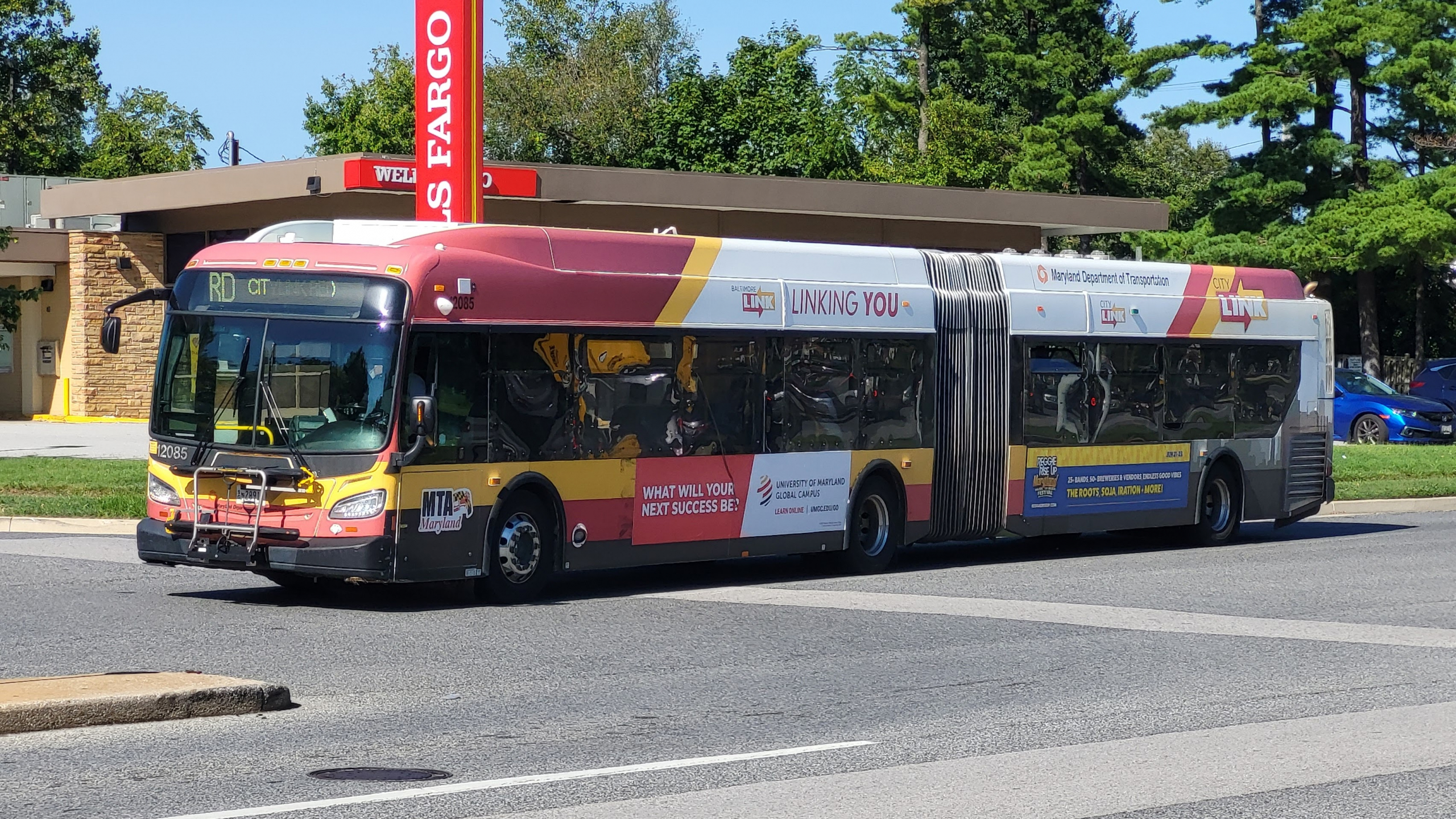
Baltimore public transit guide is the essential starting point for anyone looking to navigate Charm City without the headache of parking in Fells Point or the expense of daily Uber rides. As noted by the editorial staff at Baltimore Chronicle, mastering the local commute requires a mix of digital tools and old-school street smarts.
Quick summary for commuters
The MTA operates a complex network consisting of CityLink buses, a single-line Metro Subway, and a Light Rail system that connects the northern suburbs to BWI Airport.
For most users, the CharmPass mobile app is the easiest way to pay, offering a flat fare of $2.00 for a single trip. Pro tip: use the Transit app for real-time tracking, as Baltimore traffic can make schedules unpredictable.
Navigating the city: bus, metro, and rail options
Baltimore is unique because its transit modes don’t always overlap perfectly, making it important to choose the right tool for your specific journey. The CityLink bus system is the backbone of the city, color-coded to indicate high-frequency routes that cut across the downtown core. If you are staying near the waterfront, the Charm City Circulator provides a free, though often crowded, alternative to the paid MTA buses.
How to get around baltimore without a car often depends on where you live.
Neighborhoods like Mt. Vernon are transit-rich, while parts of East Baltimore require more patience. The Metro SubwayLink is surprisingly fast but limited, running from Owings Mills to Johns Hopkins Hospital. For those heading to a Ravens or Orioles game, the Light RailLink is the undisputed champion of convenience.
| Transit Mode | Best For | Peak Frequency | Key Stops |
| CityLink Bus | Neighborhood hopping | 10–15 minutes | Pratt St, Charles St |
| Light Rail | BWI Airport / Sports | 15–30 minutes | Camden Yards, Penn Station |
| Metro Subway | Northwest Commuters | 8–15 minutes | Shot Tower, State Center |
| MARC Train | DC Day Trips | Varies | Penn Station, West Baltimore |
Understanding these distinctions helps avoid the common mistake of waiting for a train when a bus is already around the corner.
Many locals prefer the “multi-modal” approach, using a scooter for the last mile after exiting a station. Since the city is relatively compact, a combination of the Metro and a short walk can often beat rush hour traffic on I-83.
Mastering the MTA Baltimore fare system
Paying for your ride has become significantly easier with the introduction of contactless options, yet many visitors still struggle with paper tickets. The standard fare for a single trip on bus, light rail, or metro is $2.00, but the real value lies in the $4.60 Day Pass.
This pass allows for unlimited transfers between all three MTA modes, which is essential if your route involves switching from a train to a bus. An mta baltimore guide wouldn’t be complete without mentioning that cash is still accepted on buses, but you must have exact change. Drivers do not carry cash and cannot provide change cards, leading to many awkward moments for unprepared riders.
Using the CharmPass app allows you to purchase tickets in advance and activate them only when you see your bus approaching the stop. The system is designed for speed, so digital is always better.
“The key to a stress-free Baltimore commute isn’t just knowing the route, but having your fare ready before the bus pulls up to the curb.” — Local Transit Advocate.
- Download the CharmPass app from the App Store or Google Play.
- Create an account and link a credit card or use Apple/Google Pay.
- Purchase a “One-Way” or “Day Pass” ticket.
- Do not activate the ticket until you are standing at the stop.
- Show the animated screen to the driver or tap it on the reader.
Reliability is a frequent topic of conversation among residents, particularly regarding the bus system’s adherence to posted schedules.
While the “CityLink” routes are designed to be frequent, the “LocalLink” buses can be more sporadic during off-peak hours. Always check the MTA website for service alerts, especially during winter weather or major downtown events like the Baltimore Marathon. Proper planning ensures you aren’t left waiting on a cold corner in January.
Practical tips for the Baltimore bus guide
If you are looking at a baltimore bus guide for the first time, the sheer number of lines can be overwhelming.
The CityLink lines (Red, Blue, Silver, etc.) are designed to be “high-frequency,” meaning they should arrive every 15 minutes or less during peak times. These buses are the workhorses of the city, connecting residential hubs to the major employment centers downtown.
- Always signal the driver by waving or standing near the curb.
- Rear door exiting is encouraged on the newer buses.
- Check the destination sign on the front of the bus.
- Stay aware of your surroundings at all times.
Traveling by bus offers a vantage point of the city’s diverse architecture that you simply can’t get from the underground metro.
You will pass by historic marble steps, vibrant murals, and the bustling markets that define the Baltimore experience. It is a social environment, reflecting the grit and heart of the local community. Many riders find that the bus is where you truly meet the city’s inhabitants.
Riding the light rail and metro subway
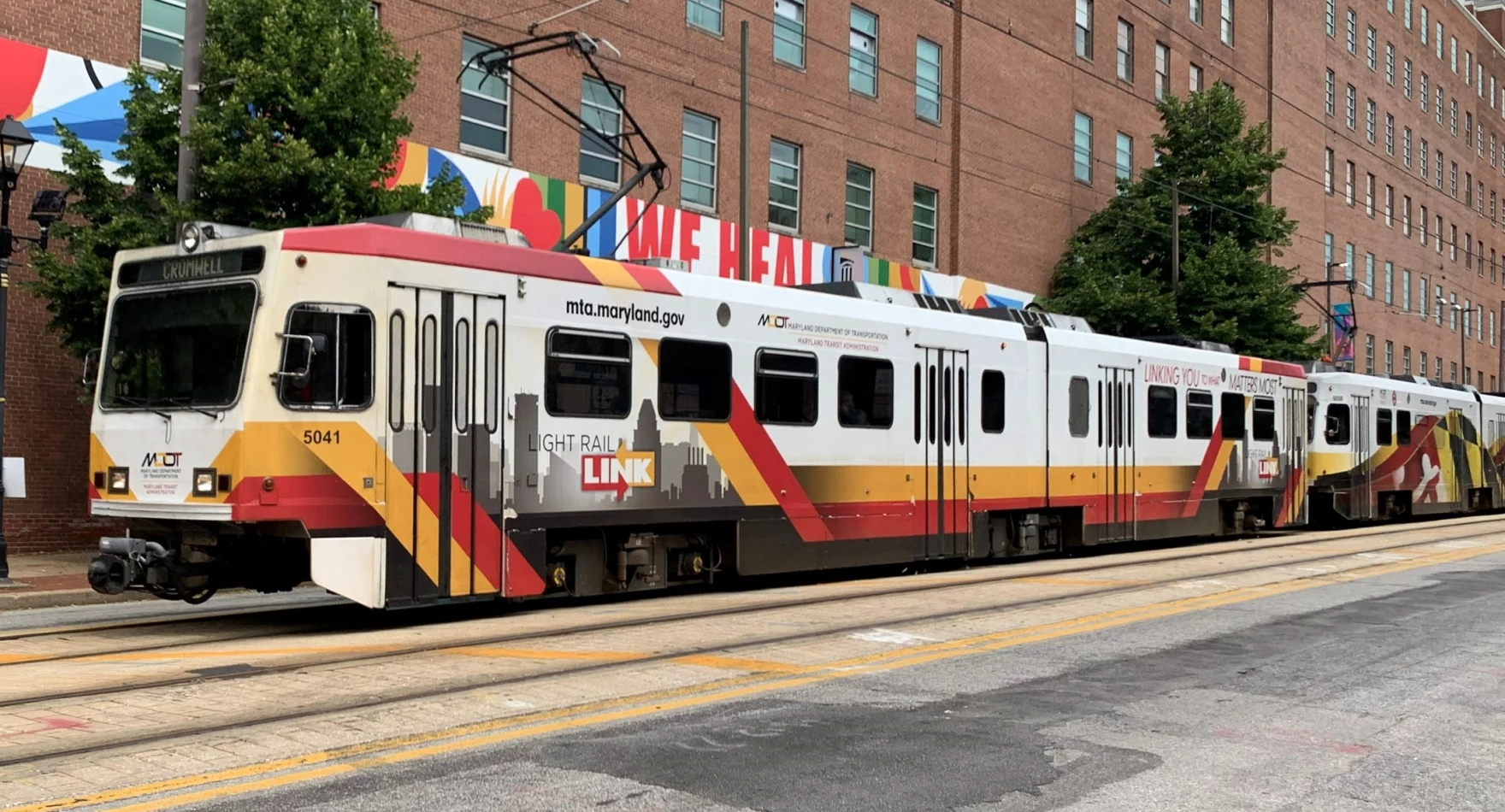
The light rail baltimore system is particularly popular for those traveling from the northern suburbs or the airport.
It runs at street level through the heart of downtown along Howard Street, which means it is subject to traffic lights and the occasional delivery truck blockage. It is the most scenic way to enter the city, offering views of the Inner Harbor as you approach the stadiums.
- Who this is best for: Suburban commuters, sports fans, and BWI travelers.
- Tradeoffs: Slower than the Metro due to street-level crossings and occasional maintenance delays.
- Pro tip: If heading to Penn Station, check if you need to transfer at Mt. Royal.
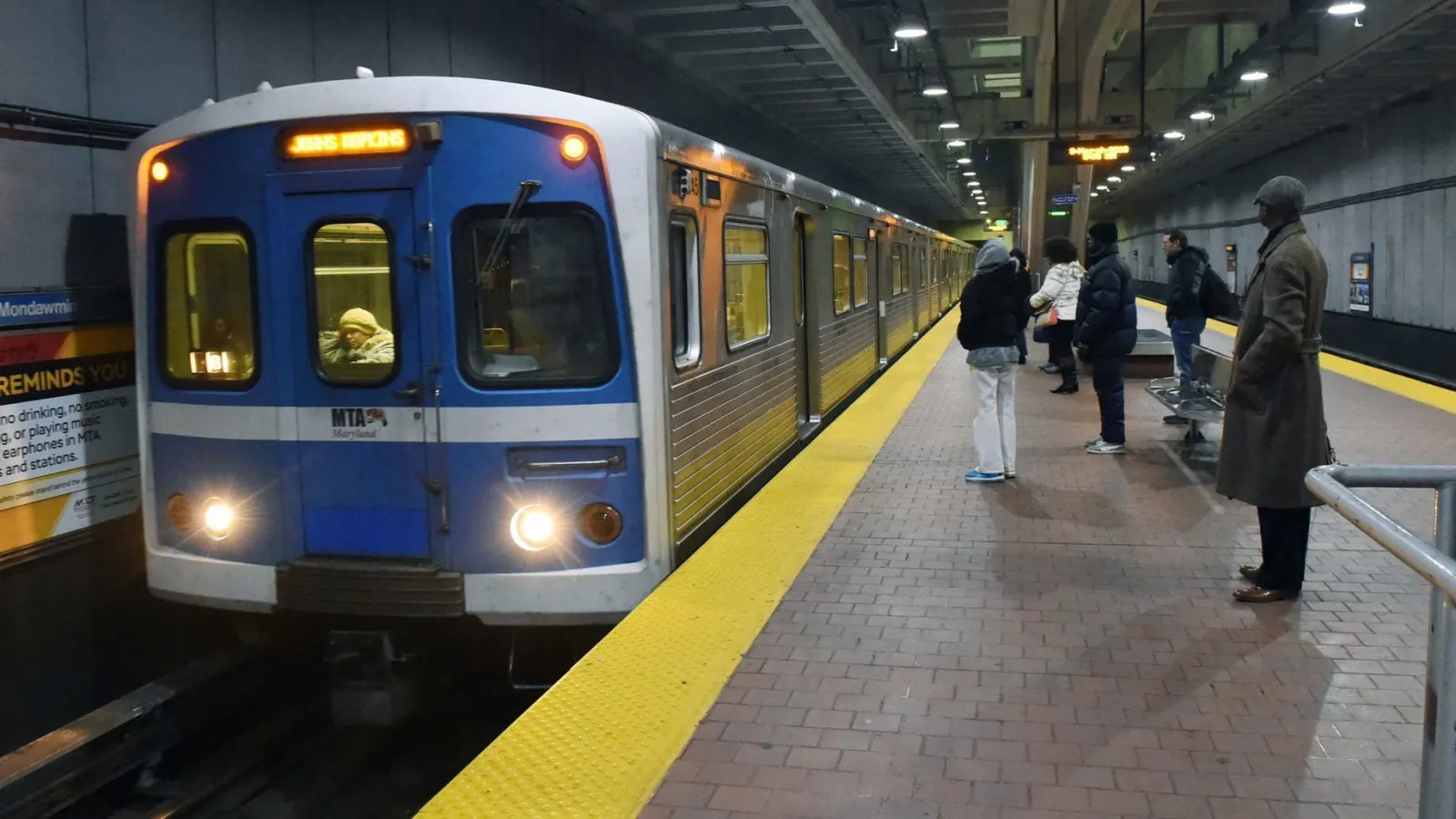
Conversely, the metro subway baltimore is the city’s “hidden” gem, operating largely out of sight and carrying riders at high speeds.
Because it only has one line, it is almost impossible to get lost, making it the perfect entry point for transit novices. It serves the Social Security Administration in Woodlawn and the massive Johns Hopkins medical campus in East Baltimore. This speed is unmatched by any surface-level transport.
Despite its efficiency, the Metro is often underutilized by tourists because its stations are less visible than the Light Rail stops. If you are staying in Mt. Vernon, the State Center station is a quick walk and can get you to the harbor faster than any bus. The stations are deep underground, so expect a long escalator ride and limited cell service while on the platform.
Safety and accessibility in Charm City
Public transit in any major city requires a level of “street smarts” and Baltimore is no exception.
Most stations and buses are equipped with cameras, and transit police are a common sight at major hubs like Charles Center or Lexington Market. Traveling during daylight hours is generally very safe, but late-night riders should stick to well-lit areas and travel in groups if possible.
- All MTA buses are equipped with ramps.
- Elevators are available at all Metro Subway stations.
- Bicycle racks are located on the front of every bus.
If you encounter an issue, the MTA has a “See Something, Say Something” app specifically for reporting safety concerns.
Most regular commuters find that the biggest “danger” is simply a delayed bus making them late for work. Being polite to drivers and fellow passengers goes a long way in making the journey pleasant for everyone involved. A simple “thank you” to the driver is standard Baltimore etiquette.
Common questions about Baltimore transit
Does the Light Rail go directly to BWI Airport?
Yes, the Light RailLink has a dedicated station located immediately outside the terminal at BWI. Ensure your train is marked “BWI Airport” and not “Cromwell Station/Glen Burnie.”
How much does a weekly pass cost?
As of the current fare structure, a 7-Day pass is $22.00, providing significant savings for daily commuters.
Can I use my phone to pay for the bus?
Yes, the CharmPass app is the official mobile ticketing solution and is accepted on all MTA buses, Light Rail, and Metro.
Is there a train from Baltimore to Washington D.C.?
Yes, the MARC Train (Penn Line) runs from Penn Station to Union Station in D.C., and it is one of the most efficient commuter rails in the country.
Are the buses in Baltimore reliable?
While CityLink routes are generally frequent, traffic congestion can cause “bus bunching.” Using a real-time tracking app is highly recommended.
Do kids ride for free?
Up to two children under the age of 6 can ride free with a fare-paying adult.
What time does the Metro stop running?
Typically, the Metro SubwayLink operates until midnight on weekdays and slightly later or earlier on weekends; always check the latest schedule online.
Is there a free shuttle in Baltimore?
Yes, the Charm City Circulator is a free bus service with four routes covering the downtown and waterfront areas.
Where can I buy a physical CharmCard?
You can purchase them at select retail outlets, transit stores, or via the MTA website, though the mobile app is now more common.
How do I get to the Inner Harbor from Penn Station?
The most direct way is taking the southbound Light Rail to the Pratt Street or Convention Center stops.
Earlier we wrote about Bulk Trash Pickup in Baltimore: What They Take, Schedule, 311 Steps