

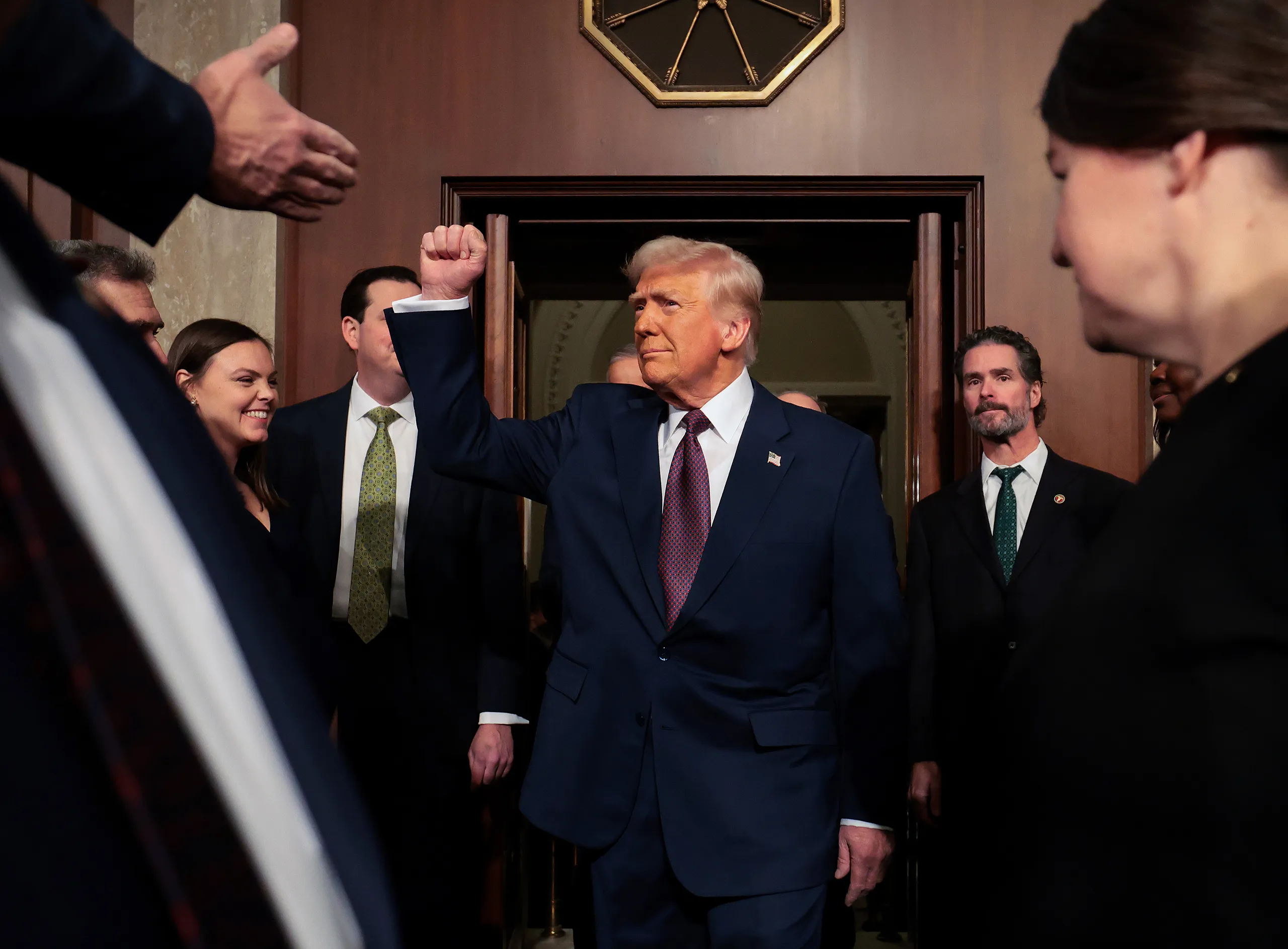
Trump to send envoys to Islamabad as Iran rules out direct talks is the central headline of a high-stakes diplomatic weekend. The world watches as the U.S. President deploys his top negotiators to the Pakistani capital. Steve Witkoff and Jared Kushner are expected to arrive this Saturday to salvage a fragile ceasefire. However, the Iranian leadership has already cast a shadow over these crucial diplomatic efforts. Tehran’s top diplomat, Abbas Araghchi, officially ruled out any direct negotiations with American representatives during his stay. This development occurs while global energy markets remain under immense pressure due to the Strait of Hormuz situation.
The mediation role of Pakistan has become the last bridge between these two adversarial powers. Security in Islamabad has been tightened significantly as international officials gather for these sensitive discussions, as noted by Baltimore Chronicle via Yahoo.
The mission of Steve Witkoff and Jared Kushner in Pakistan
President Donald Trump is relying on his most trusted confidants to handle this complex Middle Eastern crisis. Jared Kushner and Steve Witkoff bring a specific transactional style of diplomacy to the negotiation table. Their arrival in Islamabad marks a significant escalation in American efforts to stabilize the regional security architecture. The U.S. team seeks to convert the current indefinite ceasefire into a permanent peace treaty. They must navigate a minefield of Iranian red lines and regional security concerns.
Recent milestones in the regional conflict and diplomatic timeline:
- 12 April 2026: JD Vance and U.S. envoys meet Pakistani leaders in Islamabad.
- 20 April 2026: Iran partially reopens its airspace for commercial international travel.
- 24 April 2026: Pakistani authorities barricade major roads for high-level security arrangements.
- 25 April 2026: Tehran International Airport resumes flights to Istanbul and Medina.
- 25 April 2026: Abbas Araghchi meets Prime Minister Shehbaz Sharif to discuss red lines.
The resumption of commercial flights from Tehran suggests a slight easing of immediate military tensions. Passengers can now travel to destinations like Muscat and Medina for the first time in 2 months. This shift provides a much-needed breathing room for civilians caught in the crossfire of the conflict. However, the refusal of Iran to sit at the same table as the U.S. remains. Pakistan continues to act as the primary courier for messages between the two delegations.
Economic fallout and the blockade of the Strait of Hormuz
The primary driver for this urgent diplomacy is the mounting economic pressure on global markets. The near closure of the Strait of Hormuz has sent energy prices to record highs recently. Ships carrying vital oil and gas supplies have been diverted or stalled for weeks now. This maritime bottleneck threatens the stability of major economies in Europe and Asia alike. Trump is under domestic pressure to lower fuel prices before the next economic quarter.
Impact on global logistics and regional stability:
| Sector affected | Current status in April 2026 | Economic impact |
| Energy Shipping | Strait of Hormuz nearly closed | High global oil prices |
| Civil Aviation | Flights resumed from Tehran | Slow recovery of tourism |
| Regional Trade | Pakistan-Iran border monitored | Disrupted supply chains |
| Diplomacy | Indirect talks via Islamabad | High political uncertainty |
These figures highlight why the Islamabad summit is a global priority for the White House. The Pakistani military leadership is playing a double role as both host and security guarantor. Abbas Araghchi clarified on Telegram that Tehran will not compromise on its core strategic interests. He emphasized that the Pakistani mediation will continue until a concrete result is finally achieved. The U.S. envoys must find a way to offer sanctions relief without appearing weak.
Security measures and the role of Shehbaz Sharif
Islamabad has transformed into a high-security fortress to host the American and Iranian delegations simultaneously. Police officers stand at every major intersection to divert traffic away from the diplomatic enclave. Prime Minister Shehbaz Sharif is balancing the interests of his long-term U.S. allies and his neighbor. The Pakistani government hopes that a successful mediation will bring much-needed financial stability to the region.
The presence of the Iranian police special forces in Tehran also signals continued domestic vigilance. While flights are resuming, the military stance of both nations remains at a high alert. Araghchi’s meetings with the Pakistani military chief indicate that security remains the top priority for Iran. Any mistake in the next 48 hours could collapse the ceasefire and restart the fighting. Global leaders are urging both sides to avoid provocative actions during the stay of the envoys.
Earlier we wrote about who is Hung Cao? The new acting Secretary of the Navy after John Phelan exit