

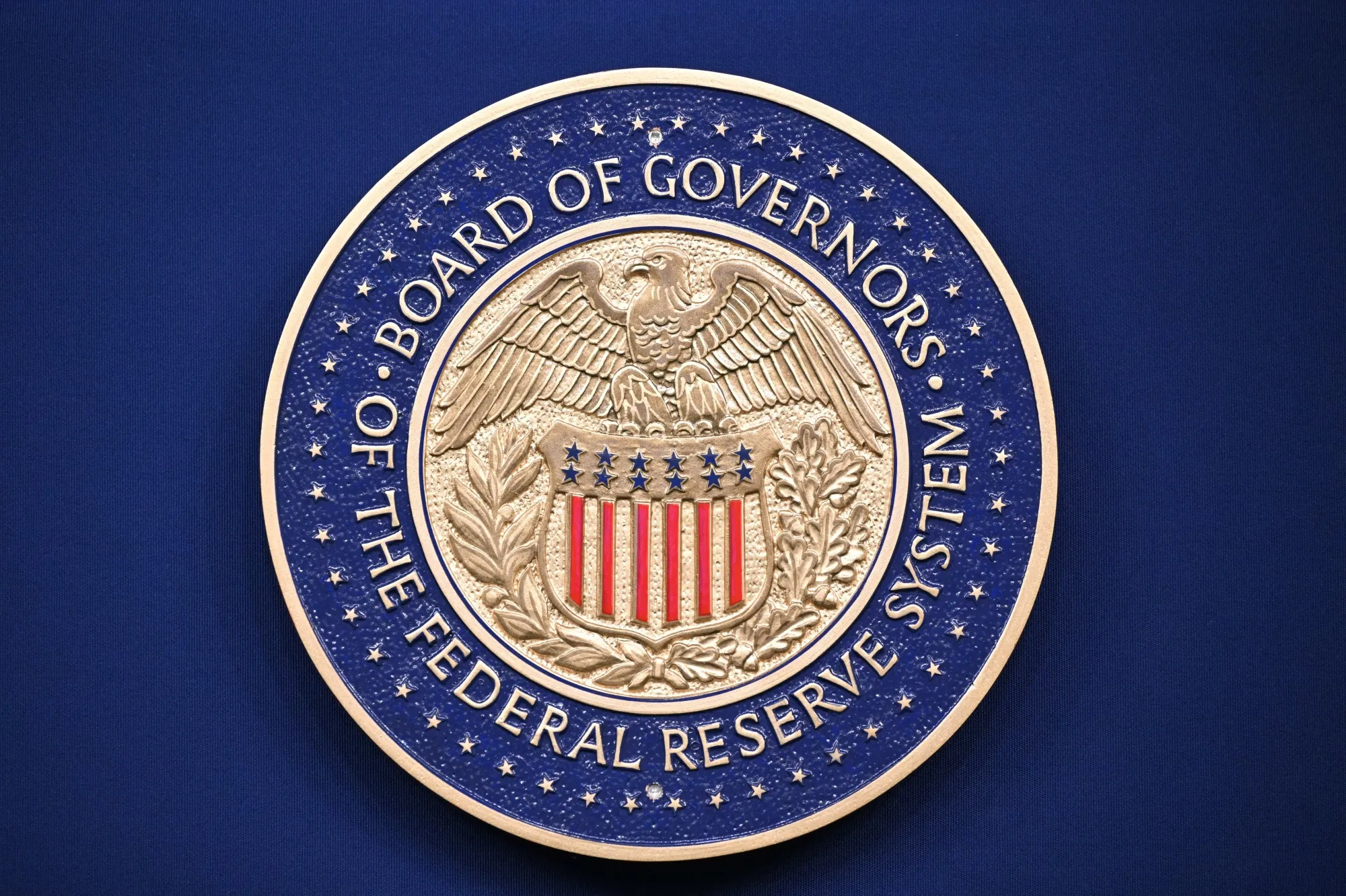
The Federal Reserve’s upcoming policy meeting is unfolding amid a volatile global context marked by war, soaring energy costs, and mounting scrutiny of central bank leadership, reports Baltimore Chronicle via CNN. The recent outbreak of hostilities between the United States, Israel, and Iran has introduced new unpredictability into the U.S. economic forecast, complicating previous expectations about interest rate adjustments and inflation management. The conflict is generating a sudden spike in energy prices, which could ripple through consumer markets and potentially reignite the inflationary pressures the Fed has been attempting to control since 2022. Despite these developments, market consensus largely anticipates that the central bank will announce a pause in rate changes during its Wednesday meeting, keeping the federal funds rate within the 3.5% to 3.75% range.
Officials of the Federal Reserve had initially signaled at least one potential rate reduction in 2026, but the escalation in the Middle East has forced economists to reconsider all prior projections. The combination of geopolitical tension and energy price volatility presents new challenges for monetary policymakers, who must balance economic growth objectives with the risk of accelerating consumer price inflation. Analysts warn that higher oil and gas costs could quickly feed into broader goods and services pricing, complicating the central bank’s efforts to maintain price stability.
The Fed’s chair is currently under federal investigation, further intensifying scrutiny of the institution’s decisions and raising concerns about the central bank’s independence. Lawmakers and market observers are closely monitoring how these investigations may influence the Fed’s approach to interest rates and policy guidance. The situation highlights the fragile intersection of global conflict, domestic economic strategy, and institutional credibility, placing the Fed at the center of both financial and political debates.
Market analysts remain cautiously attentive to announcements and language in the Fed’s official statement, as even subtle shifts in policy tone can significantly affect U.S. stock indices, Treasury yields, and the dollar’s global standing. The volatility in energy markets, driven by conflict-related supply disruptions, adds another layer of uncertainty to an already complex macroeconomic picture. The central bank is expected to weigh these risks carefully before confirming its decision on interest rates.
Earlier we wrote that Apple launches AirPods Max 2 with H2 chip: stronger noise canceling and March 25 preorder revealed