


Moving to Baltimore checklist starts with the realization that this Maryland hub is a mosaic of 250 distinct neighborhoods, each with its own parking rules and cultural rhythm. Whether you are drawn to the historic cobblestones of Fell’s Point or the artistic energy of Station North, the transition requires more than just packing boxes; you need a strategy for permits, taxes, and transit routes before the moving truck hits I-95. As the editorial team at Baltimore Chronicle notes, the secret to a successful relocation is mastering the local logistics long before you cross the city line.
TL;DR: Quick Relocation Summary
Relocating to Baltimore requires a mix of administrative hustle and cultural scouting. Focus on securing housing in a neighborhood that fits your commute, registering your vehicle within 60 days to avoid Maryland fines, and embracing the “Charm City” lifestyle through local community hubs. This guide breaks down the essential 30 steps to ensure you do not miss a beat during your move.
Essential Administrative Tasks for New Residents
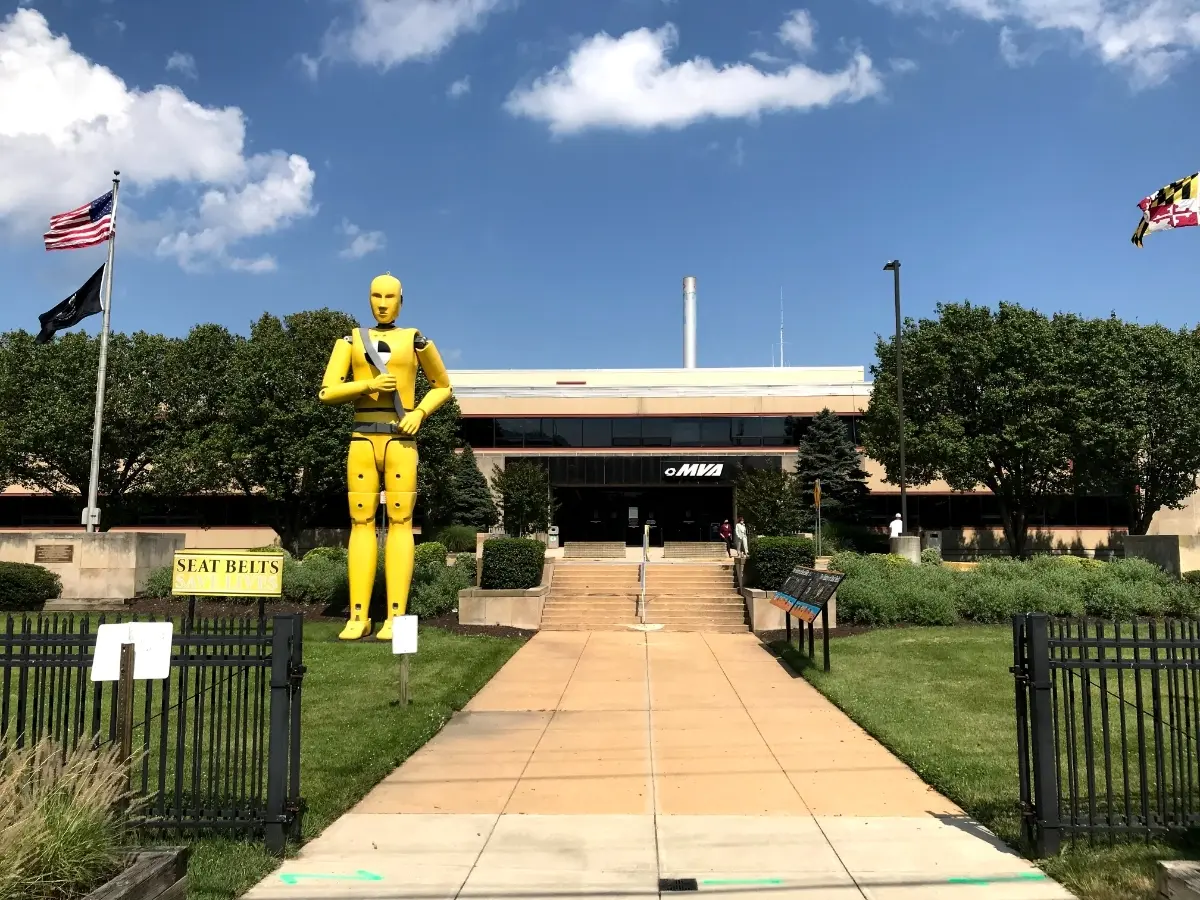
Securing your residency starts with the Maryland Motor Vehicle Administration (MVA), as new residents must register their vehicles and obtain a Maryland driver’s license within 60 days of establishing residency.
Failure to meet the 60-day deadline can result in significant fines.
- Schedule your MVA appointment online at least 3 weeks in advance.
- Check if your new address requires a Residential Parking Permit (RPP).
- Apply for the Maryland Homestead Property Tax Credit if you bought a home.
- Update your voter registration via the Maryland State Board of Elections.
Many neighborhoods like Federal Hill or Canton have strict parking enforcement. If you forget to apply for your RPP, you might find a hefty ticket on your windshield the very first morning. The city uses a zone-based system, so verify your specific block’s requirements on the Baltimore City Department of Transportation website.
Relocating to Baltimore means learning the specific zone numbers for your street.
“Baltimore is a city of neighborhoods; find the one that speaks to your soul, but make sure it also has a spot for your car.”
Choosing Your Baltimore Neighborhood
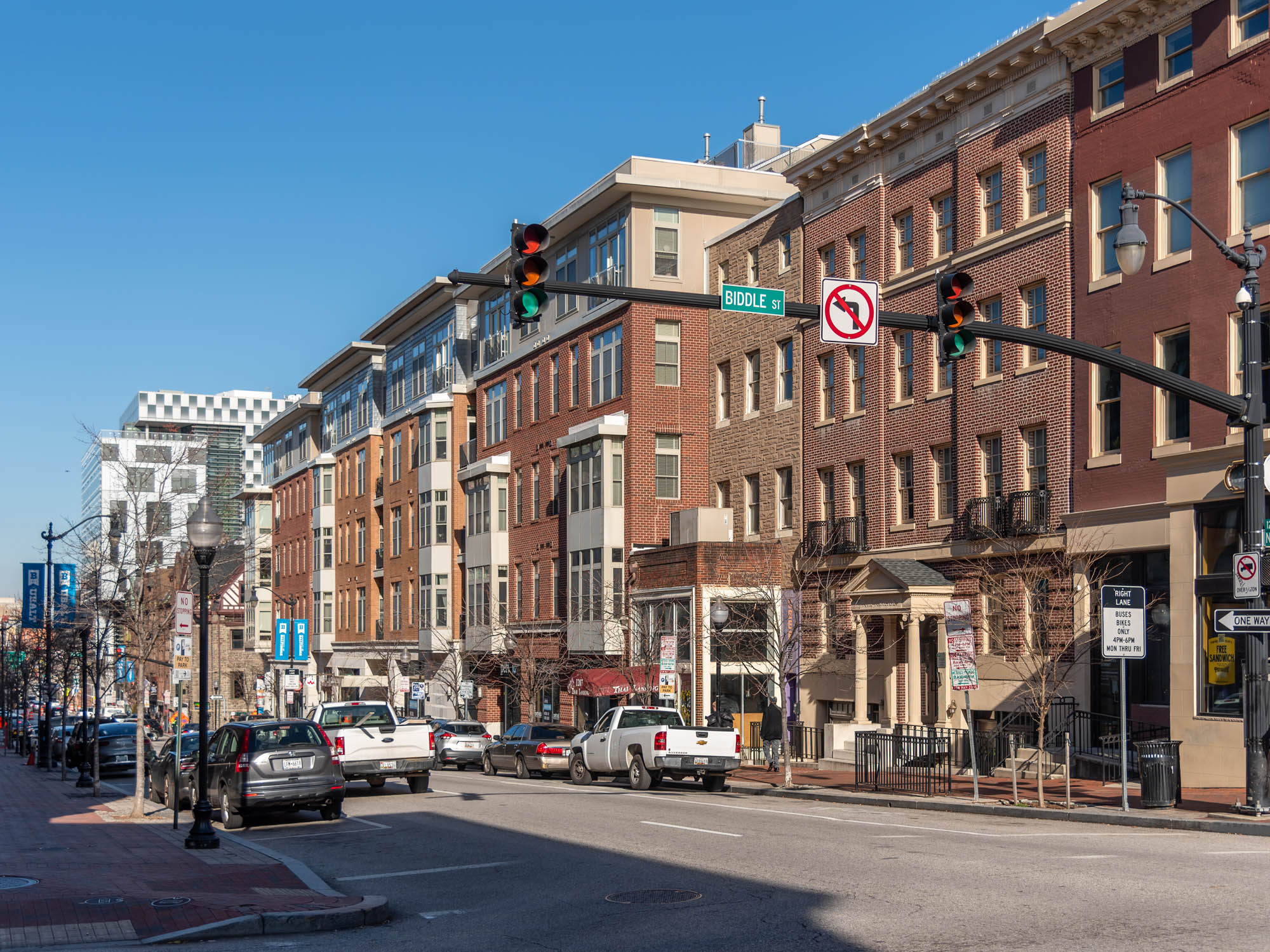
Where you live will define your experience in the city. Baltimore offers everything from high-rise luxury to historic rowhouses with “formstone” exteriors and rooftop decks.
| Neighborhood Type | Examples | Best For |
| Waterfront & Trendy | Canton, Fell’s Point | Young professionals, nightlife |
| Historic & Academic | Charles Village, Mt. Vernon | Students, artists, historians |
| Family-Oriented | Roland Park, Lauraville | Suburban feel, larger yards |
| Emerging & Creative | Remington, Pigtown | Makers, urban explorers |
Relocating to Baltimore involves deciding between the convenience of the Inner Harbor and the quiet charm of the northern outskirts. Each area has its own tax assessments and utility quirks. For instance, water bills in Baltimore City are handled differently than in Baltimore County, often requiring a lien certificate during property transfers.
Research the “Live Baltimore” neighborhood profiles for safety and walkability scores. Visit potential blocks at different times of the day and night.
Inquire about “Ground Rent,” a unique Baltimore legal quirk where you might own the house but not the land. It is a remnant of colonial law that still affects thousands of properties today.
Logistics and Transportation Mapping
The Maryland Transit Administration (MTA) operates the Light Rail, Metro Subway, and an extensive bus network. However, Baltimore is famously a “city of stoops” where walking and biking are increasingly popular in the central corridor.
- Download the CharmPass app for mobile transit ticketing.
- Locate the nearest Charm City Circulator route (it is a free shuttle service).
- Register for a Zipcar account if you do not plan on owning a vehicle.
- Map out your commute to Johns Hopkins or Under Armour headquarters.
Understanding the bus lanes on Pratt Street or the bike lanes in Remington will save you hours of frustration. If you are moving to Baltimore, you should also familiarize yourself with the MARC train. This rail service connects Penn Station to Washington D.C., making it a vital link for commuters.
Check the Penn Line schedule for express trips to Union Station.
Invest in a high-quality bike lock if you plan to use the Jones Falls Trail.
What to Know Before Moving to Baltimore: Utilities and Services
Setting up utilities in a historic city can involve some older infrastructure. BGE (Baltimore Gas and Electric) is the primary provider for the region.
- Contact BGE to start service at least 5 business days before arrival.
- Set up your Baltimore City Water and Wastewater account.
- Research internet providers like Xfinity or Verizon Fios, which vary by block.
- Find your designated trash and recycling pickup days.
Living in Baltimore checklist items often include prep for the weather. Baltimore experiences humid summers and occasionally snowy winters. Ensure your HVAC system is serviced immediately, especially in older rowhomes that might have specialized radiator systems or ductless mini-splits.
Always confirm if your new home uses heating oil or natural gas.
Professional and Social Integration
Baltimore’s job market is heavily influenced by healthcare, tech, and education. Networking often happens in local breweries or community gardens rather than stiff corporate events.
- Join the “Nextdoor” group for your specific neighborhood.
- Follow the Baltimore Business Journal for local economic trends.
- Check the Baltimore City Public Schools (BCPS) ratings if you have children.
- Volunteer with organizations like Blue Water Baltimore to meet locals.
The “Smalltimore” phenomenon is real. You will find that everyone knows everyone, and a simple introduction can lead to a job offer or a great apartment lead. It is what to know before moving to Baltimore—the city is surprisingly tight-knit.
Participating in a social sports league like Volo City is the fastest way to make friends.
Final Countdown: The Week Before You Arrive
The last few days are about precision. Confirm your movers understand the narrow “alleys” typical of Baltimore rowhouses.
- Confirm the moving truck has a permit if it blocks a main street.
- Pack a “first-night” bag with essentials for humid or chilly weather.
- Change your address with the USPS.
- Notify your bank and credit card companies of your move to Maryland.
A baltimore relocation guide would not be complete without mentioning the food. Stock your new pantry with Old Bay seasoning—it is a local requirement. Also, find your nearest “corner bar,” as these are the social anchors of almost every neighborhood in the city.
Welcome to the land of the pleasant living.
Who this is best for
This checklist is designed for out-of-state professionals, graduate students at MICA or JHU, and families looking for an affordable East Coast alternative to D.C. or New York. It prioritizes efficiency and local “unwritten rules” over generic moving advice.
Common Tradeoffs to Consider
While Baltimore is affordable, the property taxes are higher than in the surrounding counties. You might trade a large backyard for a rooftop deck with harbor views. Additionally, while the city is very walkable, some areas lack traditional grocery stores, requiring a short drive or a delivery service.
FAQ: Moving to Baltimore
Is a car necessary in Baltimore?
In neighborhoods like Mt. Vernon or Downtown, you can survive without one. However, most residents find a car useful for regional travel.
How do I get a parking permit?
Visit the Parking Authority of Baltimore City website. You will need your vehicle registration and a copy of your lease or deed.
What is the best way to meet people?
Join a social sports league like Volo City. They offer everything from kickball to bocce in public parks.
Are Baltimore winters harsh?
They are unpredictable. Some years have no snow; others see “Snowmageddon” events. Always keep a shovel and salt ready.
Is the water bill expensive?
It can be, especially with older pipes. Always check for leaks immediately upon moving into a rowhouse.
What is a “hon”?
It is a term of endearment used by locals. You will hear it at diners and farmers’ markets across the city.
Where can I find local news?
Follow the Baltimore Chronicle and the Baltimore Sun for daily updates and investigative reporting.
Earlier we wrote about How Safe Is Baltimore by Neighborhood? How to Read the Data Responsibly