

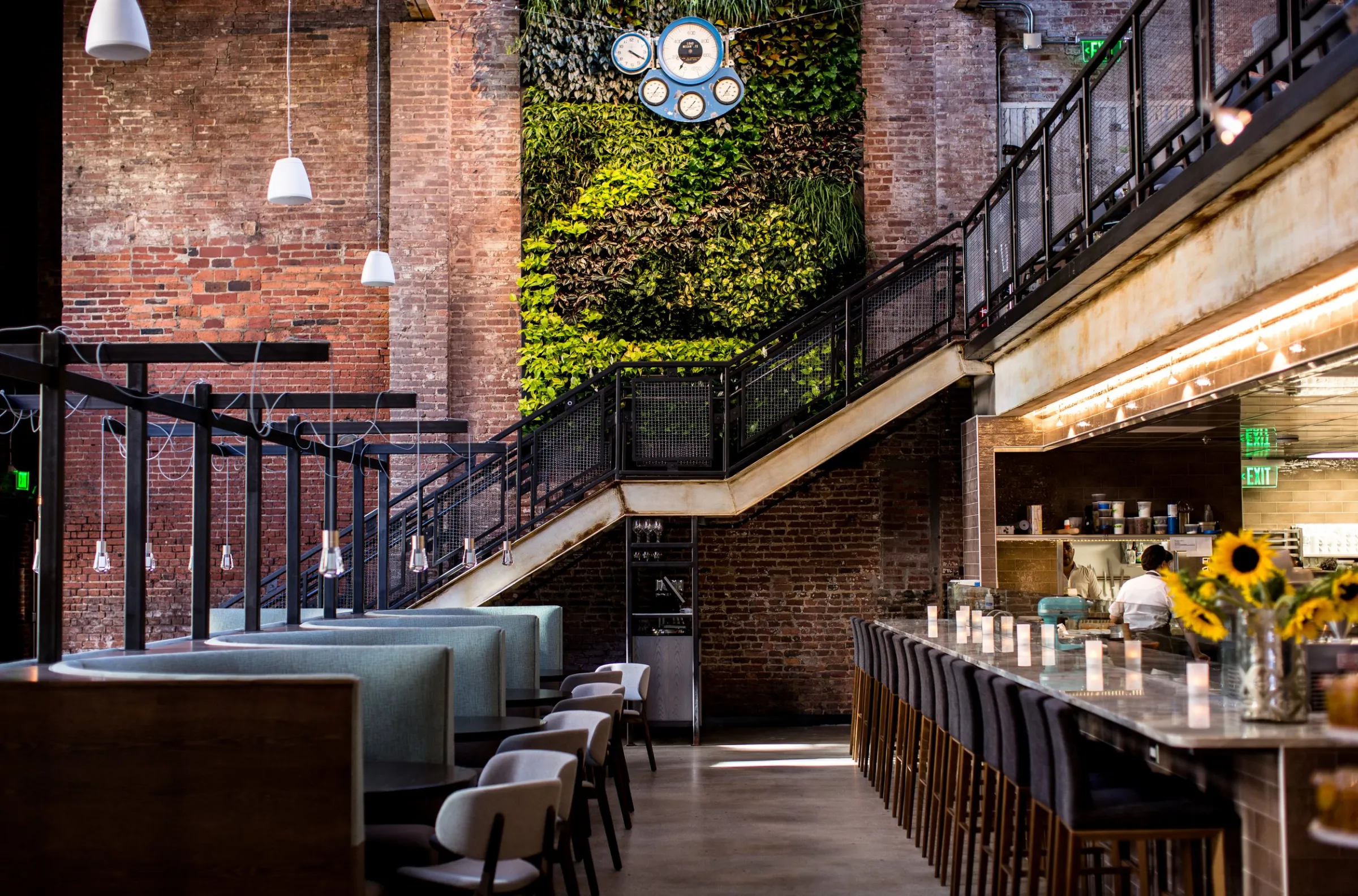
Start a food business in Baltimore requires more than just a family recipe and a dream of feeding the residents of Mount Vernon or Fells Point.
It is a rigorous journey through Maryland’s regulatory landscape, involving specific health certifications and zoning laws that ensure public safety. If you are looking to transform your culinary passion into a legitimate enterprise, you must navigate a maze of paperwork, from securing a commercial kitchen to obtaining the necessary city approvals as noted by the Baltimore Chronicle.
TL;DR: Quick roadmap for culinary entrepreneurs
To launch quickly, you need to register your business with the state of Maryland, secure a licensed commercial kitchen, and pass a Baltimore City Health Department inspection. Focus on the Food Service Facility Permit first, as this is the cornerstone of your operation.
Initial legal steps and business registration
Before you even touch a spatula, you must establish your legal entity through the Maryland Business Express portal.
This stage is crucial because it dictates your tax obligations and personal liability protection. Most local startups choose an LLC structure for its flexibility and ease of management in the Charm City market. Once registered, you need an Employer Identification Number (EIN) from the IRS, which acts as a social security number for your company.
This is a prerequisite for opening a business bank account and signing any lease agreements for physical space. Professionalism at this stage prevents future headaches with the Comptroller of Maryland.
| Step | Action | Agency |
| 1 | Register Business Entity | Maryland SDAT |
| 2 | Obtain EIN | IRS |
| 3 | Sales and Use Tax Account | Comptroller of Maryland |
| 4 | Personal Property Return | local jurisdiction |
Many entrepreneurs overlook the Sales and Use Tax registration, which is essential if you plan to sell prepared meals or retail food items. Baltimore requires a specific local business license that correlates with your specific activity, whether it is catering or a brick-and-mortar cafe. You should consult with a tax professional to ensure you are collecting the correct percentages for the state. Maryland’s business climate is supportive, but the late fees for missing a filing deadline can be steep for a small startup. It is always better to file early than to face the penalties of a late submission.
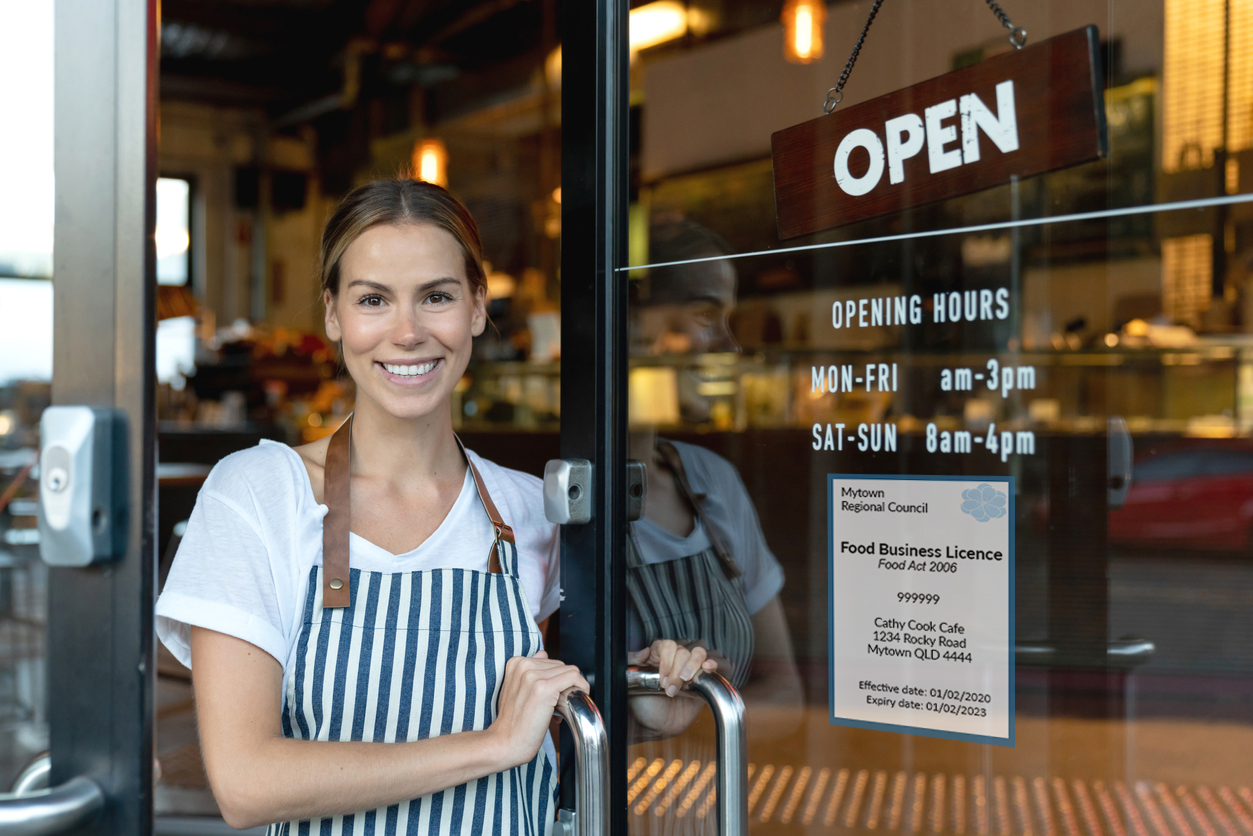
Securing a licensed commercial kitchen space
Operating out of a home kitchen is strictly limited in Maryland under “Cottage Food” laws, which only allow for non-hazardous items like bread or dry cookies.
For anything else, finding a commercial kitchen baltimore is your next mandatory hurdle. These shared or private spaces are already outfitted with industrial-grade equipment and, more importantly, they are pre-approved by health inspectors. A shared kitchen isn’t just about the ovens; it’s about the community and the compliance safety net it provides for a growing brand.
If you are not ready for a full lease, look into “commissary kitchens” which allow you to pay for hourly or monthly blocks of time.
This is the gold standard for a food entrepreneur baltimore who is testing the market through delivery apps or pop-up events at local markets. Using a commissary provides you with a legitimate address to list on your health permit applications. You must ensure the facility is properly licensed for your specific production needs.
- B-More Kitchen: A large-scale accelerator offering ample storage and prep space.
- City Kitchen: Ideal for small-batch producers and those needing flexible scheduling.
- The Groundgood: Often utilized by niche makers focusing on local sourcing.
Choosing the right facility depends on your specific volume and the type of equipment your menu demands. Some kitchens specialize in baking, while others offer the heavy-duty ventilation required for deep frying or high-heat sautéing. Always tour a facility during peak hours to see if the workflow suits your team’s needs. Ensure the facility has a current license, as their expiration could legally halt your production. Selecting a location with easy access to major Baltimore thoroughfares will also save you significant time during the morning delivery rush.
Navigating the health department and permits
To legally serve the public, you must obtain a food permit baltimore issued by the Environmental Health Services division.
This process involves a plan review where you submit your menu, equipment list, and a floor plan of where you will be preparing the food. The city categorizes businesses by risk level, with full-service restaurants being “High Priority” due to the complexity of their food handling. Certification is non-negotiable, and at least one person on-site must typically hold a valid Certified Food Service Manager credential.
This ensures that safety protocols like hot-holding temperatures and cross-contamination prevention are strictly followed.
- Submit the Plan Review application at least 30 days before your intended opening.
- Pay the associated fees, which vary based on the size and type of your facility.
- Schedule a pre-opening inspection to verify that all refrigeration and plumbing meet city codes.
- Keep your HACCP (Hazard Analysis and Critical Control Point) plan updated and accessible.
If you are planning to operate a food truck or a cart, the mobile food business baltimore requirements include a specific vehicle inspection. These units must be associated with a “base of operations” or commissary where waste is disposed of and water is refilled. The city has specific zones where mobile vendors can park, and missing a “no parking” sign can lead to hefty fines or towing. Navigating the downtown parking regulations requires a keen eye and a solid understanding of the local Department of Transportation maps. Failure to comply with these parking restrictions often results in immediate revocation of your operating privileges for the day.
Who this is best for
This guide is tailored for independent chefs, catering startups, and food truck operators aiming to enter the Baltimore market.
It is specifically designed for those who have moved past the “hobby” stage and are ready to invest in a professional, compliant infrastructure. If you are a suburban operator looking to expand into the city limits, these rules apply specifically to the Baltimore City jurisdiction, which differs from Baltimore County.
Common pitfalls to avoid
A frequent mistake is signing a lease for a storefront before checking the zoning requirements or the cost of bringing an old building up to modern health codes.
Many historic Baltimore buildings have aging plumbing that can be incredibly expensive to renovate for high-capacity grease traps. Always include a “contingency clause” in your lease that allows you to back out if the city denies your specific use of the space. Another error is ignoring the “certified manager” requirement until the last minute. Training classes can fill up, and without that certificate, your final inspection will be delayed. Budget for these soft costs—permits, certifications, and insurance—just as carefully as you budget for ingredients.
Managing cash flow during the “permitting phase” is where most businesses fail before they even serve their first customer.
Next steps for your business
- Visit the Baltimore City Health Department website to download the latest fee schedule.
- Search for “Shared Kitchens” in the 21211 or 21224 zip codes for prime logistical locations.
- Join a local business association like the Downtown Partnership of Baltimore for networking.
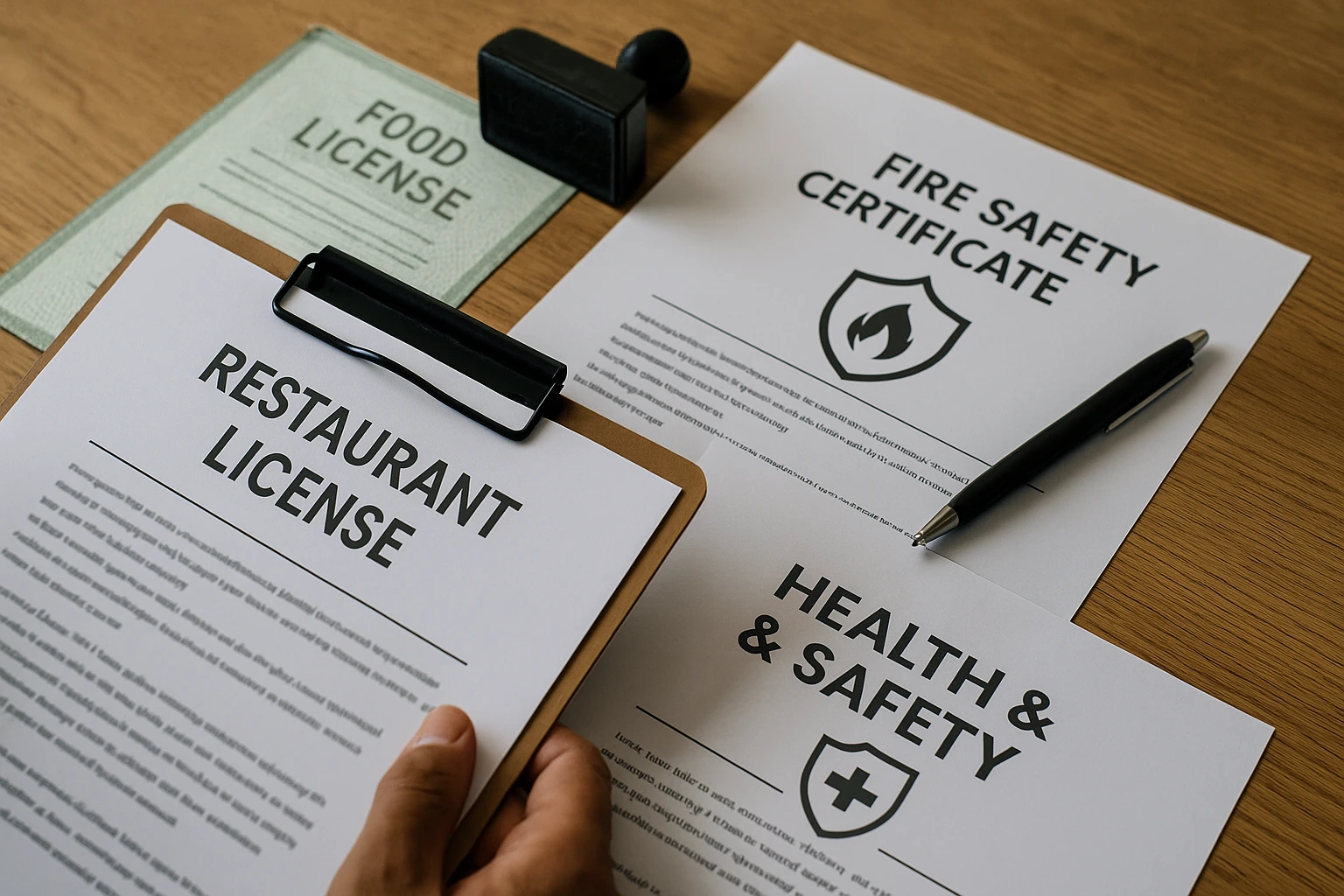
FAQ: Common questions for food startups
Do I need a permit for a home-based bakery?
Yes, but it is a limited “Cottage Food” registration rather than a full commercial permit, and you cannot sell “time-temperature control” foods like cheesecake.
How much does a restaurant permit baltimore cost?
Fees are subject to change, but generally range from 150 to 500 dollars depending on the seating capacity and risk category of the menu.
Can I use a food truck as my only kitchen?
Usually no; Baltimore requires mobile units to have a licensed commissary for heavy cleaning and bulk storage.
What is the fastest way to get a health inspection?
Ensure all your equipment is running at the correct temperature and your “Manager’s Certificate” is printed and on the wall before the inspector arrives.
Do I need a separate license for alcohol?
Yes, liquor licenses are handled by the Board of Liquor License Commissioners and are separate from food permits.
Is a HACCP plan required for everyone?
Most facilities serving high-risk foods (meat, dairy, cooked vegetables) must submit a HACCP plan during the plan review stage.
Earlier we wrote about Starting a Small Business in Baltimore: Licenses, Permits, Space, First Steps