

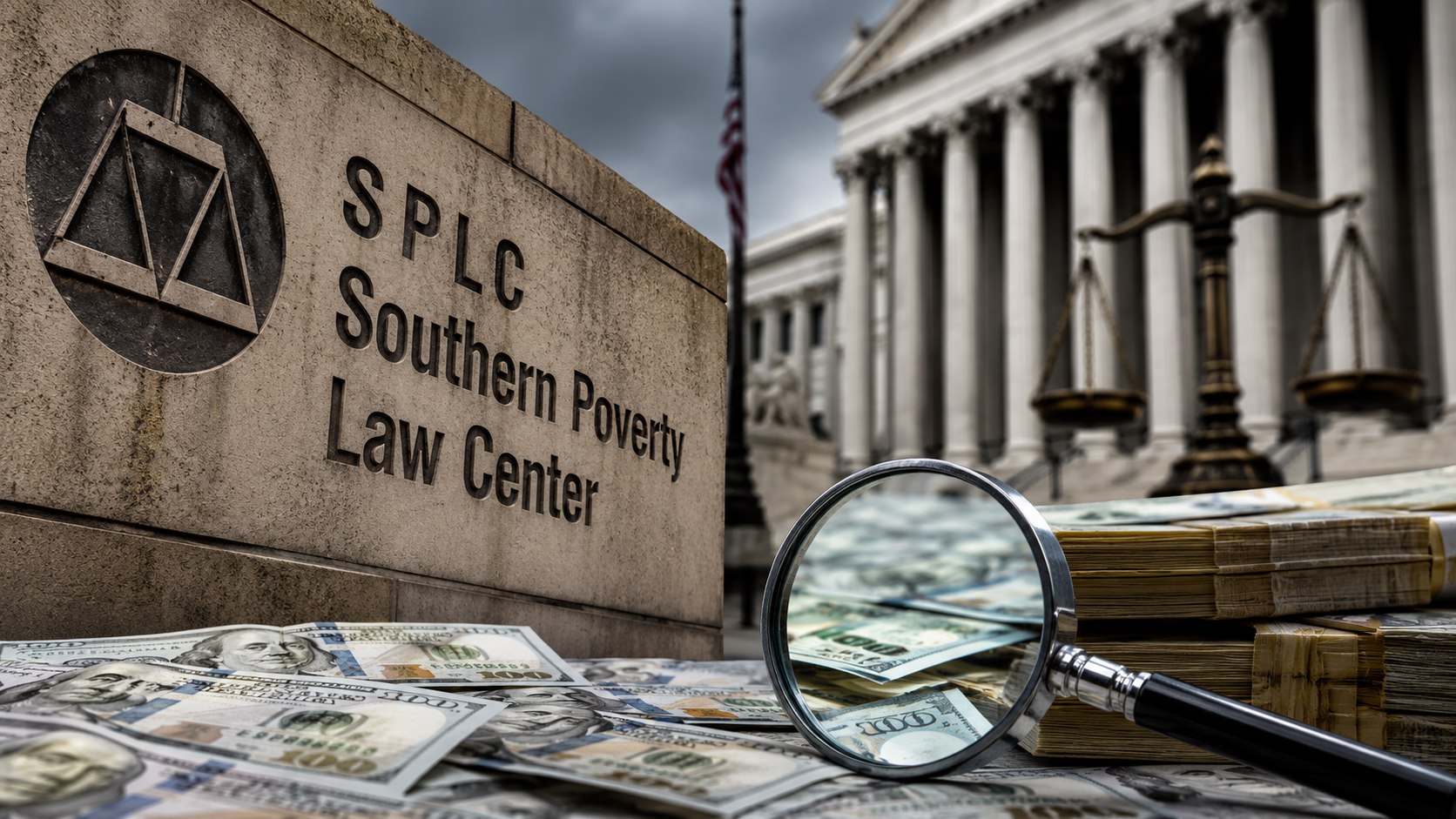
Southern Poverty Law Center allegations have moved from political controversy into a federal courtroom. The civil rights organization is facing accusations tied to fraud, money laundering conspiracy, wire fraud and alleged false statements to a bank. Prosecutors say donor money was used to pay informants inside extremist groups, while the SPLC denies wrongdoing and argues the work was tied to monitoring threats. The case now raises a wider question for nonprofits: how much secrecy is acceptable when donations fund sensitive investigative activity, as noted by Baltimore Chronicle.
Federal charges sharpen pressure on the SPLC
The Justice Department announced an 11-count indictment in April 2026 against the Southern Poverty Law Center. According to prosecutors, the case includes allegations of wire fraud, false statements to a federally insured bank, and conspiracy to commit concealment money laundering. The government also filed forfeiture actions seeking to recover alleged proceeds from what it describes as a fraudulent scheme. These are still allegations, and the organization has pleaded not guilty.
The case gained renewed attention on May 22, when The National News Desk discussed the accusations with Rachel O’Brien, Deputy Public Policy Editor at Open the Books. The segment focused on the federal charges and the claim that more than $3 million moved into informant-related operations. That figure is central because prosecutors argue donors were misled about how money was used. The SPLC’s defense says the payments were part of intelligence work aimed at tracking dangerous extremist networks.
What prosecutors claim happened
Federal prosecutors allege the SPLC used donations to pay sources embedded in extremist groups. The indictment describes payments connected to groups such as the Ku Klux Klan, Aryan Nations and similar organizations. The government’s position is that these payments conflicted with the way the nonprofit presented its mission to donors. It also argues that some money movement created potential laundering concerns.
The SPLC strongly disputes the criminal framing. Interim President and CEO Bryan Fair represented the organization in court and entered a not-guilty plea. The organization argues its informant work helped gather intelligence and reduce risks from extremist activity. It has also suggested the case may be politically motivated, while prosecutors reject that claim.
“The central issue is no longer only what the organization did. It is whether donors, banks and regulators were given a clear picture of how money was being used.”
Key facts now shaping the case
Before readers judge the political noise around the case, several points matter. The allegations involve nonprofit governance, donor expectations, federal banking rules and the use of confidential sources. Those questions are technical, but they carry major public consequences. A conviction could affect how advocacy groups manage high-risk research.
- The SPLC faces federal charges linked to wire fraud and money laundering conspiracy.
- Prosecutors allege donor funds supported paid informants inside extremist groups.
- The organization has pleaded not guilty and denies criminal conduct.
- Alabama officials have also opened a civil probe into fundraising practices.
- The case is expected to test the boundary between undercover research and donor disclosure.
These points explain why the case is broader than one nonprofit. It may influence how charities document restricted donations, internal payments and sensitive field operations. For donors, the case is also a reminder to review annual reports, financial filings and public explanations before giving money.
Why the money trail matters
The strongest part of the government’s argument appears to focus on disclosure. Prosecutors are not simply saying that informants existed. They are alleging that donor money was routed in a way that created a false picture of the SPLC’s activities. That is why money laundering allegations are politically explosive and legally complex.
The SPLC’s defense is built around a different logic. It argues that monitoring extremist groups can require confidential sources, secrecy and operational discretion. In that version, the payments were not hidden for personal enrichment, but used for safety and intelligence. The legal question is whether that explanation defeats the fraud theory.
| Issue | Prosecutors’ position | SPLC’s response |
|---|---|---|
| Donor money | Funds were allegedly misused | Payments supported threat monitoring |
| Informants | Sources were paid inside extremist groups | Sources helped gather intelligence |
| Disclosure | Donors were allegedly misled | The work served the mission |
| Legal status | Federal indictment is active | SPLC pleaded not guilty |
| Wider impact | Nonprofit rules may tighten | Advocacy groups warn of chilling effects |
This breakdown shows why the trial could become a landmark nonprofit case. It is not only about one set of payments. It is about how much operational secrecy a donor-funded organization can use before regulators see deception.
Political fallout and public reaction
The SPLC has long been influential in debates about hate groups and extremism. Its critics, especially on the right, have accused it of political bias for years. Supporters argue that its research has helped expose dangerous networks. The indictment now gives both sides a powerful new argument.
Alabama Attorney General Steve Marshall has also announced a civil investigation into the SPLC’s fundraising practices. That probe follows the federal indictment and seeks information about donations and payments to informants. The SPLC called claims against it “provably wrong” and said law enforcement had benefited from its intelligence work. This creates a second front of legal pressure beyond the criminal case.
For readers, the safest way to read this case is carefully: charges are serious, but they are not convictions.
What donors and nonprofits should watch next
The next major question is how the court treats the SPLC’s intent. If prosecutors can prove donors were intentionally deceived, the case becomes much more dangerous for the organization. If the defense shows the spending was mission-related and understood within confidential operations, the prosecution may face a harder path. The trial is currently scheduled for October 2026, according to AP reporting.
Nonprofits may now review their own policies on restricted gifts, informant payments, consultant contracts and public fundraising language. Donors may also become more cautious when organizations describe work in broad moral terms. The SPLC case shows that mission language alone may not satisfy regulators. Clear documentation may matter more than reputation.
What this case means for public trust
The Southern Poverty Law Center fraud case could become a defining test for nonprofit accountability in the United States. It combines civil rights work, extremist monitoring, donor protection and political conflict in one courtroom fight. That mix makes the case unusually sensitive. It also means every new filing will likely be read through both legal and ideological lenses.
The organization remains legally presumed innocent unless proven guilty. Still, the allegations have already damaged trust and intensified scrutiny. For the wider nonprofit sector, the warning is simple: sensitive work needs strong records, careful disclosure and clear financial controls. Public missions can survive controversy, but only when the money trail can withstand public inspection.
Earlier we wrote that Google AI Search gets Gemini 3.5 Flash: agents, bookings and coding tools enter Search