

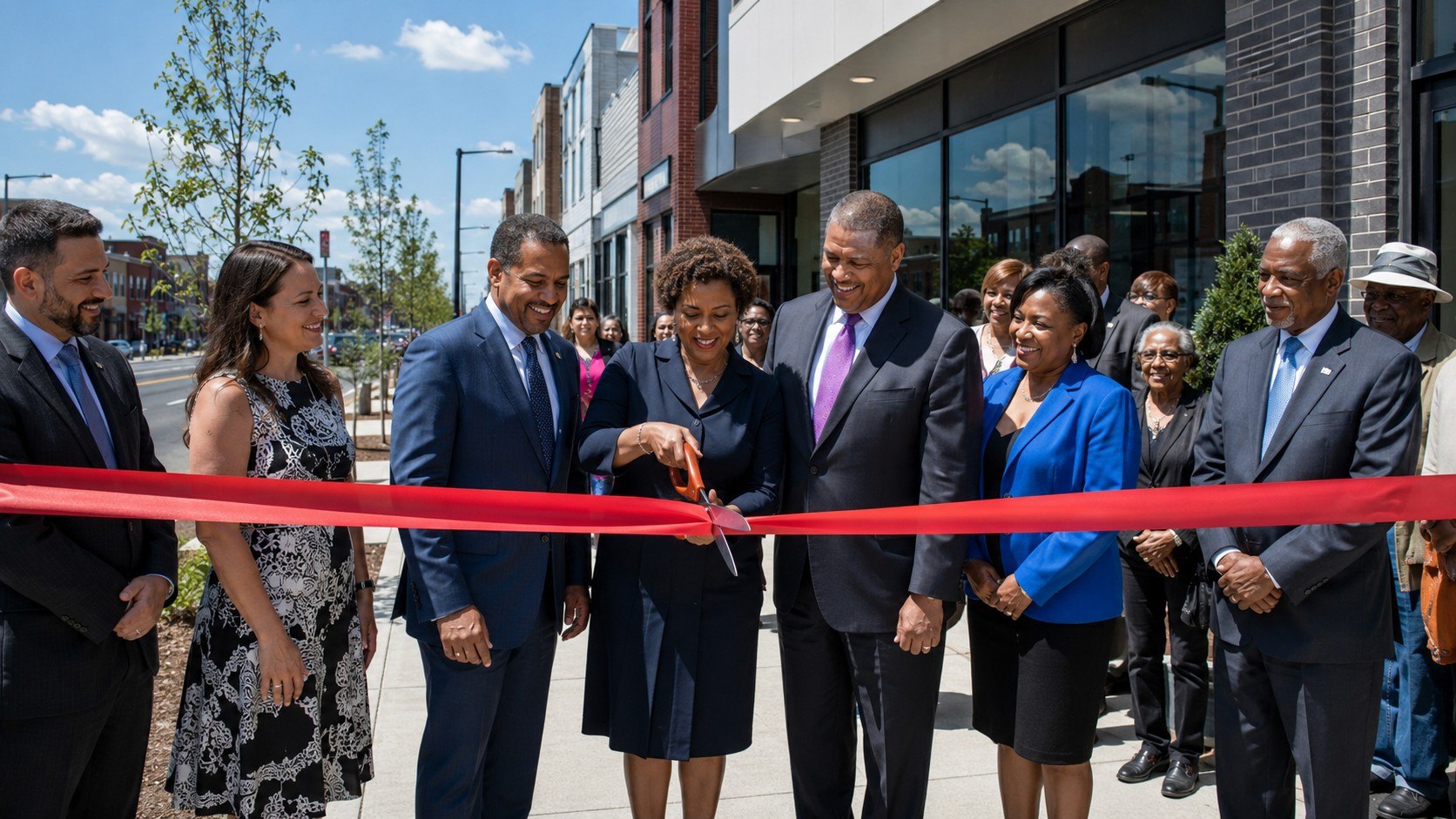
West Baltimore investment has exceeded $70 million along the North Avenue corridor since 2021. State funding now supports housing, businesses, recreation, transportation, and safer public spaces, as the Baltimore Chronicle editorial team reports.
North Avenue Revitalization Reaches 16 Communities
The West North Avenue Development Authority coordinates redevelopment across 16 communities. Maryland created the agency in 2021 after decades of fragmented investment and limited resources.
State Sen. Antonio Hayes said local organizations had long served residents but often lacked sufficient funding. The new authority connects those groups with public agencies, developers, and elected officials.
“Fast forward to 2026, we have invested more than $70 million in that corridor,” Hayes said.
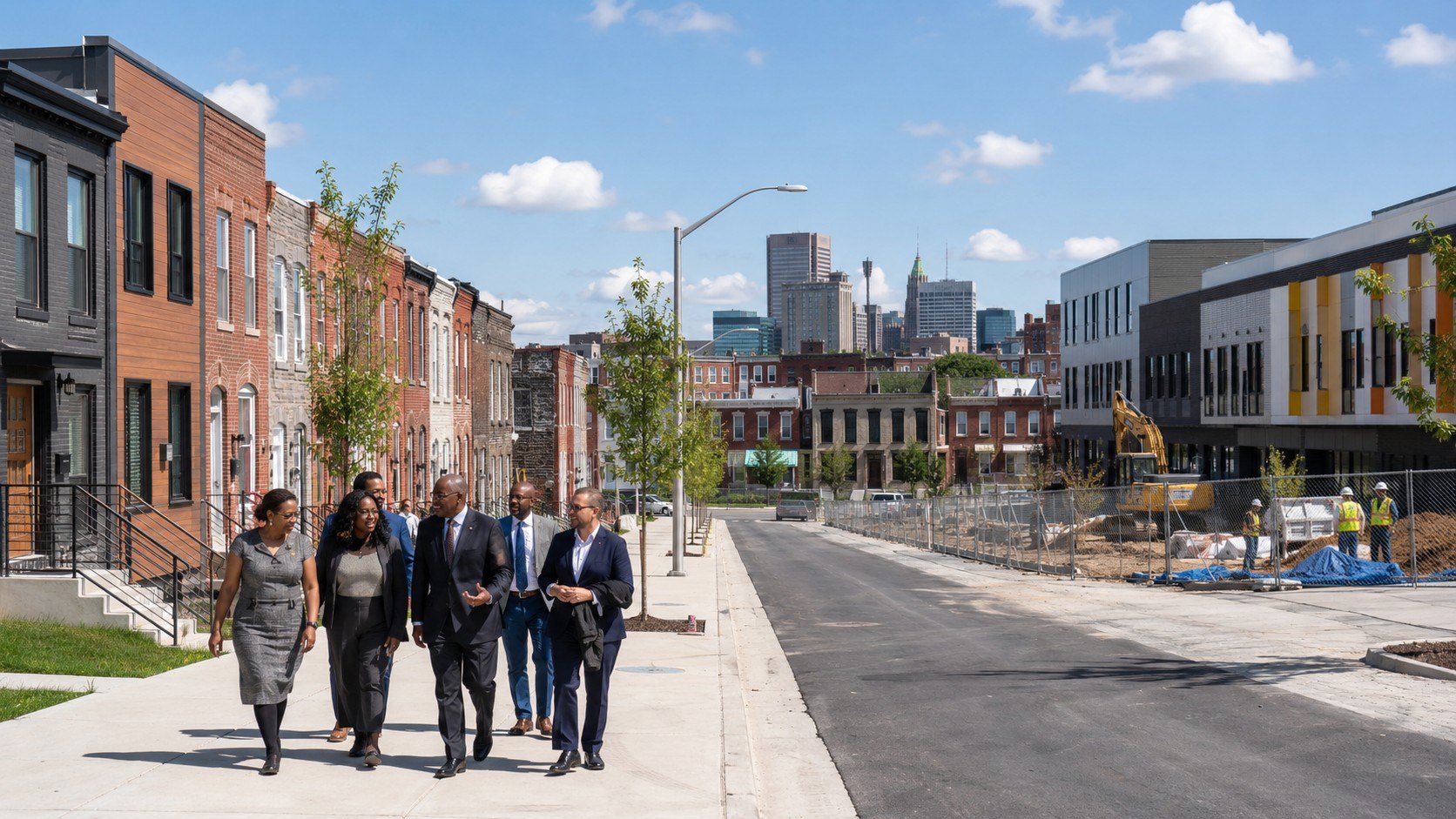
Current projects focus on several priorities:
- new and rehabilitated housing;
- commercial spaces for local businesses;
- transportation and pedestrian improvements;
- recreation centers, pools, and public gathering areas;
- youth programs and neighborhood services.
The investment includes recent openings such as the Carolyn Fugett Intergenerational Center. Hayes expects new homeowners and businesses to occupy properties between Coppin State University and Longwood Street by summer 2027.
State Funding Expands Youth Programs
Maryland also directed $400,000 to BUBA Baseball. The funding will expand youth baseball, coaching, and mentorship opportunities in West Baltimore.
| Investment area | Expected impact |
|---|---|
| Housing | More occupied and renovated homes |
| Business development | New storefronts and local jobs |
| Public spaces | Safer recreation and gathering areas |
| Youth programs | Wider access to sports and mentoring |
The scale of investment marks a major shift for neighborhoods shaped by long-term disinvestment. However, its success will depend on affordable housing, local hiring, and sustained community oversight.
Hayes urged neighborhood leaders to work directly with elected officials. He said partnerships between residents, nonprofit groups, and state agencies could strengthen West Baltimore without excluding existing communities.
Earlier we wrote about How to Buy a House with No Money Down 2026: VA, USDA and Gift Fund Rules