

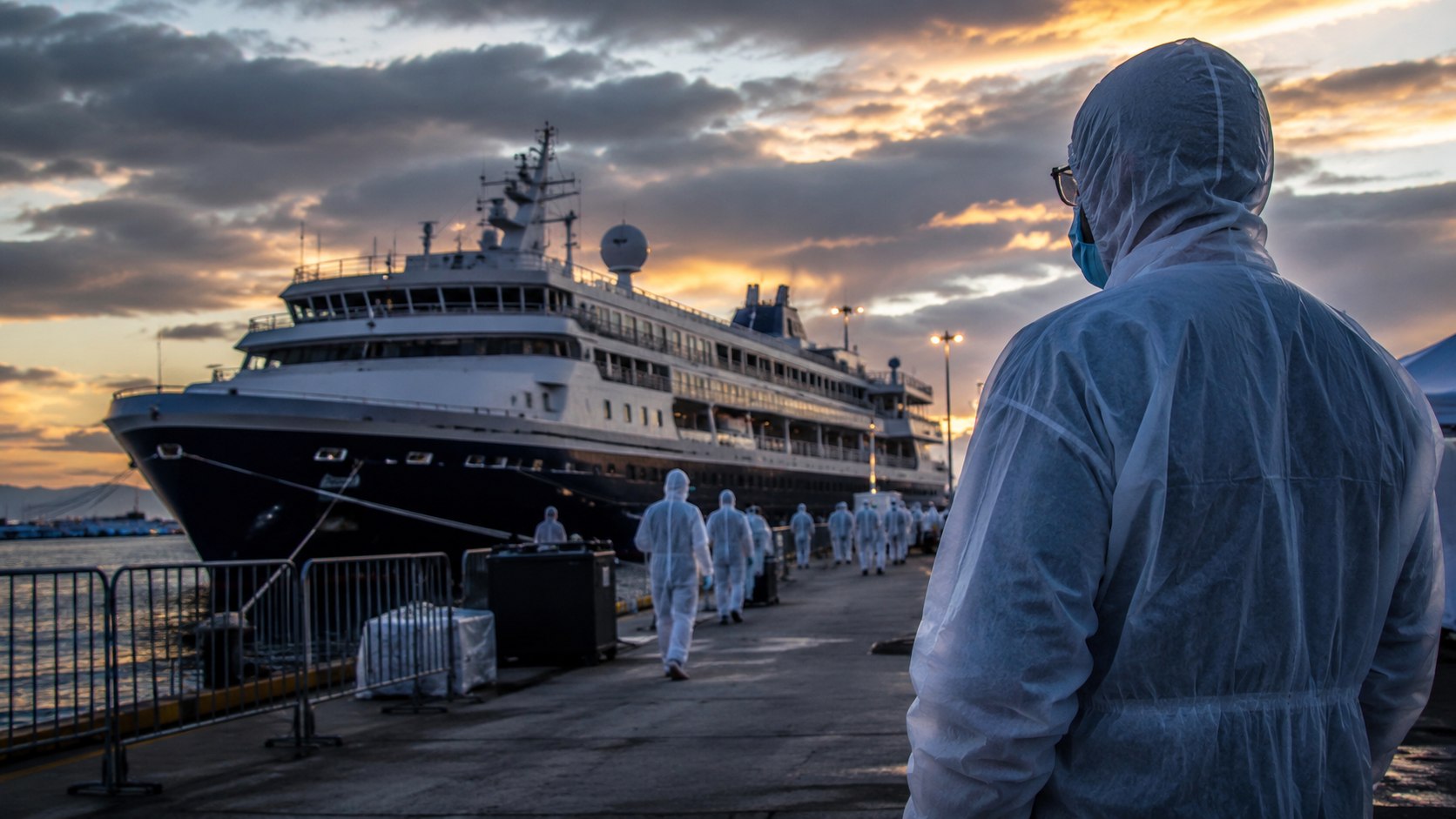
Hantavirus cruise outbreak passengers held in Nebraska are being allowed to leave a quarantine facility on Monday after 3 weeks of isolation. The Americans were monitored after possible exposure aboard the MV Hondius, the expedition ship linked to a deadly Andes virus cluster, Baltimore Chronicle reports.
What changed for the passengers
The group entered isolation on May 11. Each passenger stayed in a separate room, had no visitors and only interacted with medical staff.
Officials now say they can move to self-quarantine and keep watching for symptoms. Some may remain at the facility longer. At least 1 person plans to stay through the full 42-day incubation period.
The decision does not mean the outbreak is over, but it signals that immediate monitoring risks have eased.
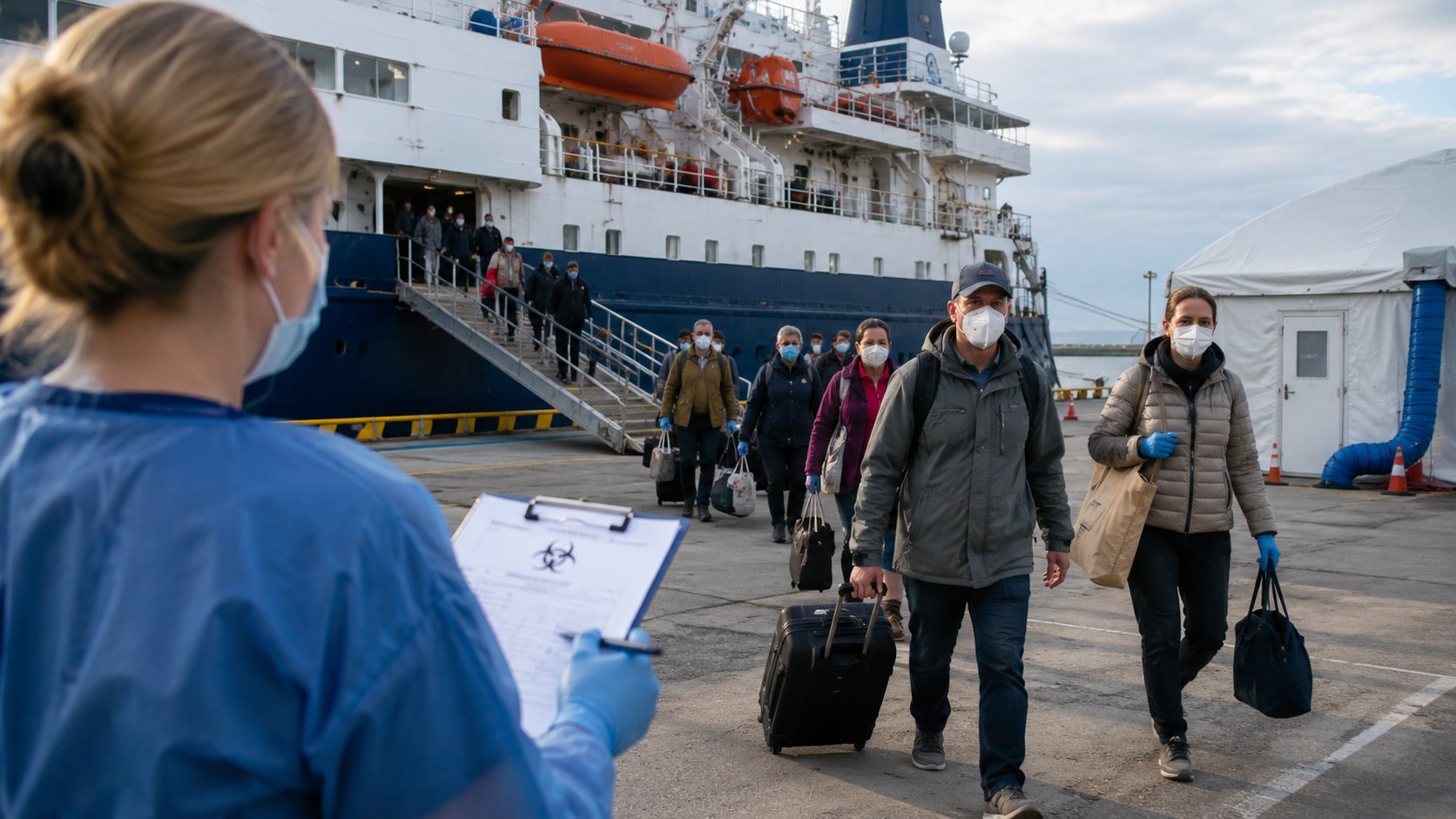
Key facts about the outbreak
Before the passengers were moved, the MV Hondius had been anchored near the Canary Islands. The outbreak killed 3 people and sickened about a dozen others.
| Detail | What is known |
|---|---|
| Ship | MV Hondius |
| Virus strain | Andes hantavirus |
| Deaths | 3 |
| Sickened | About 12 people |
| US isolation start | May 11 |
Health officials are watching several warning signs:
- fever;
- headache;
- muscle aches;
- cough;
- shortness of breath.
Why the Andes strain matters
The Andes strain is rare because it can spread between people through very close contact and bodily fluids. There is no FDA-approved treatment. Care usually focuses on supporting breathing and managing symptoms.
Doctors say the broader public risk remains low, but exposed travelers must continue strict monitoring. For cruise operators, the case has become a serious test of outbreak control at sea.
Earlier we wrote about How to File a Tax Extension 2026 Online With Form 4868 and IRS Payment Rules