

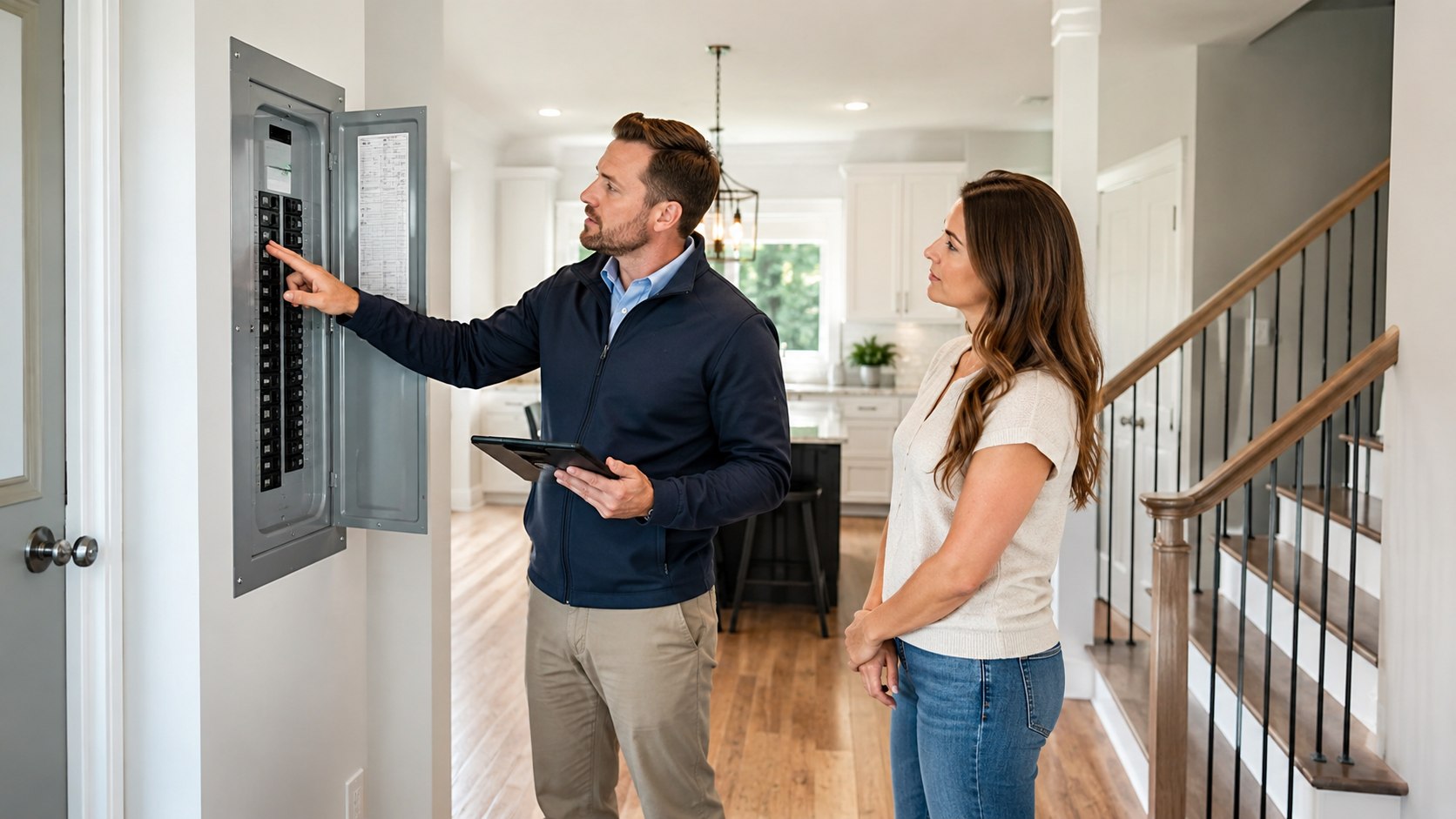
What is a home inspection in usa: it is a paid, visual review of a property before closing, so a buyer can understand defects, safety risks, repair costs, and hidden financial pressure before signing final documents, as noted by Baltimore Chronicle.
For most buyers, the decision is simple: book the inspection after the offer is accepted, attend it if possible, read the report, then decide whether to ask for repairs, request a seller credit, renegotiate the price, or walk away under the contract. In 2026, a standard home inspection in the USA often costs about $300–$500 for an average single-family house. Larger homes, older properties, rural homes, pools, wells, septic systems, radon testing, termite checks, and sewer scopes can raise the total.
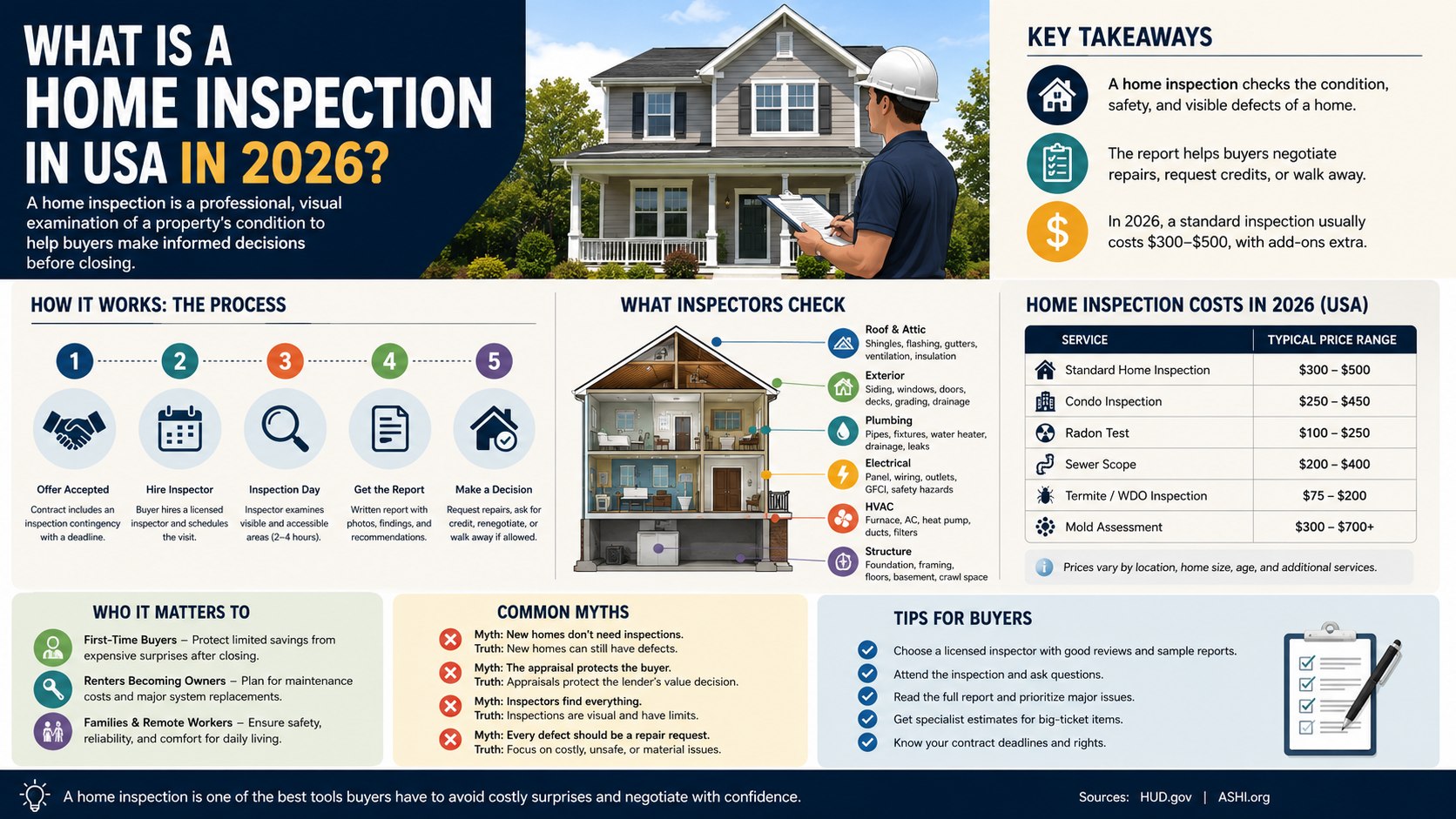
Key takeaways
- A home inspection checks condition, safety, visible defects, and repair risks. It does not set market value.
- The inspector usually reviews roof, structure, plumbing, electrical, HVAC, attic, basement, crawl space, and drainage.
- The report gives negotiation power, but it cannot reveal every hidden problem behind walls or under floors.
In plain English
A home inspection is like taking a used car to an independent mechanic before buying it. The car may look clean, smell fresh, and drive well for 10 minutes. A mechanic still checks brakes, leaks, tires, engine noise, frame damage, warning lights, and battery condition.
A house works the same way, but the bill can be much larger. Fresh paint can hide old water stains. New flooring can sit above a weak subfloor. A finished basement can cover drainage issues. A staged kitchen can distract buyers from outdated wiring, poor ventilation, or an aging water heater.
The inspector is not there to judge taste. Their job is to document visible defects, safety concerns, aging systems, installation mistakes, and signs that a specialist should inspect further. That is why the same process matters in Maryland, Texas, Florida, California, New York, Ohio, and other states with very different homes.
What is a home inspection in USA and what does it include?
A standard residential home inspection covers visible and accessible parts of the property. The inspector usually checks the roof, gutters, exterior siding, grading, foundation signs, porches, decks, garage, attic, insulation, ventilation, plumbing, electrical panel, HVAC, water heater, appliances, windows, doors, stairs, basement, and crawl space.
HUD’s FHA buyer notice makes one point very clear: an appraisal is not a home inspection. The appraisal mainly protects the lender’s value decision. The inspection helps the buyer understand the property’s physical condition. HUD also says buyers may ask for extra testing, including radon, energy-related checks, and health or safety inspections through qualified professionals. Buyers can read the federal notice directly on HUD’s home inspection guidance.
“The appraisal is not a home inspection.”
That sentence explains the whole difference. Your lender may order an appraisal. You hire the inspector for your own protection. A strong report includes photos, plain explanations, urgency notes, safety warnings, and clear recommendations for licensed specialists when needed.
How it actually works
The process usually begins after the seller accepts the offer. Your contract may include an inspection contingency with a short deadline. In many markets, that window can be only several days, so buyers should move quickly.
You choose the inspector, not the seller. Many buyers ask their agent for names, then compare reviews, sample reports, insurance status, state licensing, and professional memberships. ASHI remains one of the best-known inspection organizations in the US, and buyers can review its consumer resources at homeinspector.org.
If the buyer is using an agent, that person usually helps coordinate access, deadlines, repair requests, and follow-up specialists. Baltimore Chronicle explains this role in more detail in its guide on what a buyer’s agent does in 2026.
The visit often takes 2–4 hours, depending on size, age, access, weather, and added services. A 950 sq ft condo is not the same job as a 3,800 sq ft house with a crawl space, detached garage, septic system, and 25-year-old roof.
After the visit, the inspector sends a written report. Some reports arrive the same evening. Others take 1–3 business days. The report is not a contractor bid, but it helps decide which defects need quotes before closing.
- Offer accepted with inspection contingency, if included.
- Buyer hires an inspector and books the property visit.
- Inspector reviews visible and accessible systems.
- Buyer reads the report with an agent, attorney, or contractor.
- Buyer requests repairs, seller credit, price reduction, or cancellation if allowed.
This order protects timing. If you wait until the last day, you may lose time for a roof quote, sewer scope, electrician, or structural engineer. Sellers also respond better to documented requests. Photos, cost estimates, and safety concerns carry more weight than vague complaints.
How much does a home inspection cost in 2026?
As of 2026, many standard inspections for average US homes land near $300–$500. Smaller condos may cost less. Larger houses, older houses, rural properties, and homes with extra systems can cost more. Location matters because labor rates in Los Angeles, Boston, Seattle, Miami, and New York differ from smaller markets.
Buyers should also budget for add-ons. A general inspector may not inspect septic tanks, wells, pools, chimneys, pest damage, mold, or sewer lines under the standard fee. Those services often require separate equipment or licensed specialists.
| Service in 2026 | Typical US price range | When it matters |
|---|---|---|
| Standard home inspection | $300–$500 | Most single-family purchases |
| Condo inspection | $250–$450 | Interior systems and visible shared-wall issues |
| Radon test | $100–$250 | Basements, lower levels, and higher-risk regions |
| Sewer scope | $200–$400 | Older homes, large trees, clay lines, cast-iron lines |
| Termite or WDO inspection | $75–$200 | Loan requirements or wood-destroying insect risk |
| Mold assessment | $300–$700+ | Musty odor, past leaks, stains, or damp basements |
The lowest quote is not always the best choice. A weak report can miss defects that cost far more than the fee difference. Ask for a sample report before booking. It should include clear photos, plain language, defect locations, urgency levels, and specialist recommendations.
Also ask what is excluded. Many inspectors do not move furniture, open walls, light pilot flames, test inaccessible chimneys, or certify building-code compliance. Detached structures, solar panels, pools, wells, and septic systems may need separate checks. That is not a trick. It is how the scope is usually defined.
What inspectors check and what they usually do not check
The core inspection is visual and non-invasive. The inspector looks, tests normal controls, opens accessible panels, runs faucets, checks outlets, reviews the roof when safe, enters accessible attic spaces, and documents visible concerns. They do not tear open drywall or guarantee hidden conditions.
- Roof: shingles, flashing, penetrations, skylights, gutters, drainage, and visible leak signs.
- Structure: foundation cracks, settlement signs, sagging floors, framing concerns, and crawl-space conditions.
- Electrical: panel condition, unsafe wiring clues, grounding, GFCI protection, and visible hazards.
- Plumbing: leaks, water pressure, drain function, shutoffs, water heater, and visible pipe materials.
- HVAC: furnace, air conditioner, heat pump, ducts, filters, age clues, and basic operation.
- Interior: doors, windows, stairs, ceilings, walls, floors, smoke alarms, and moisture signs.
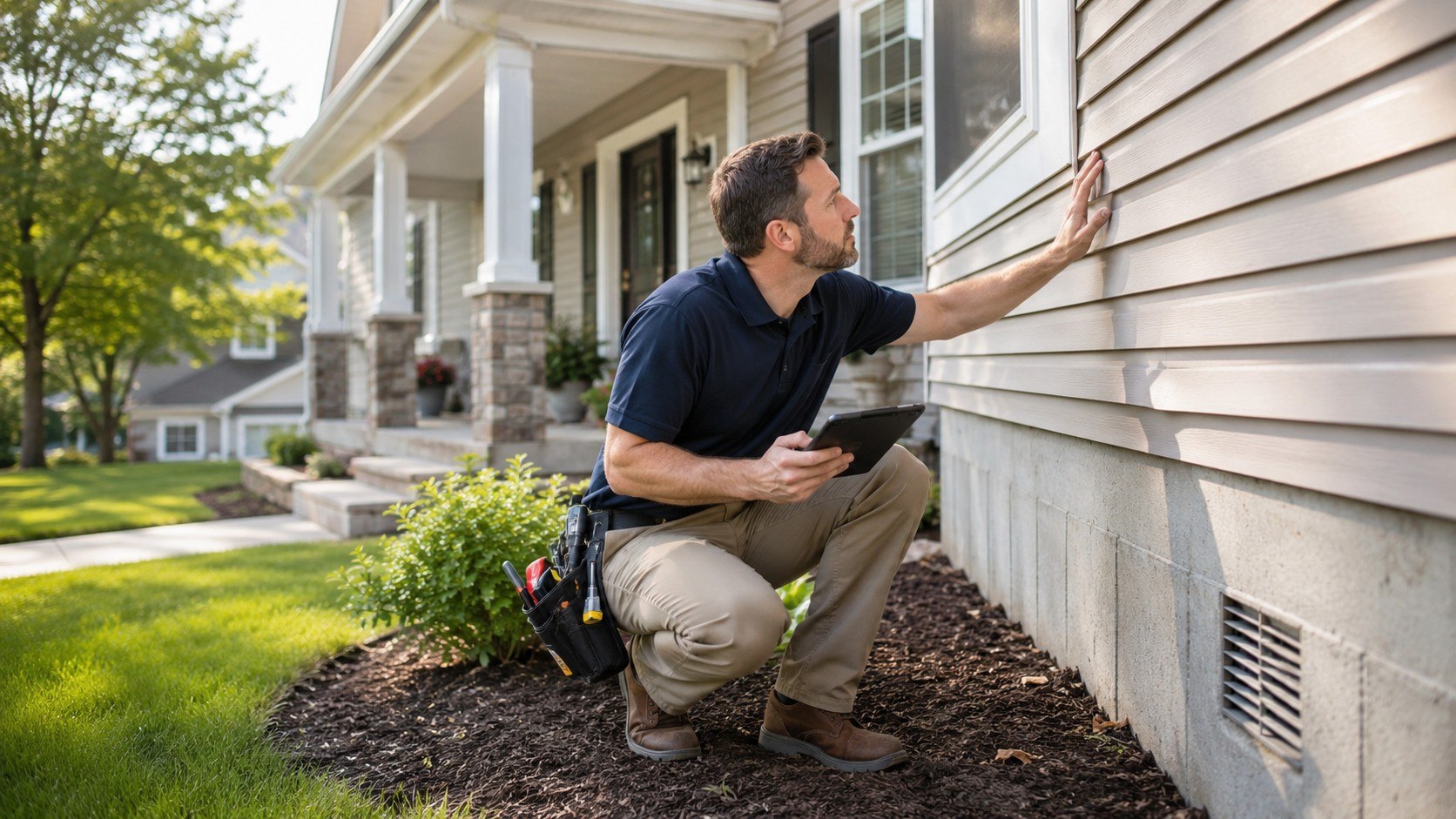
- Exterior: siding, decks, porches, grading, garage doors, driveways, railings, and drainage.
- Attic and insulation: ventilation, insulation depth, staining, pests, bathroom fan discharge, and roof leaks.
This list is useful, but it has limits. A roof may look acceptable during dry weather and leak during wind-driven rain. An HVAC system may turn on during inspection and still fail during the next heat wave. Mold can hide behind cabinets, wall cavities, or finished basement panels.
That is why serious findings need follow-up. If the report flags aluminum wiring, Federal Pacific panels, foundation movement, active moisture, cracked masonry, or possible heat exchanger risk, call a licensed specialist before closing. The inspection report tells you where to focus your due diligence.
Who it matters to in 2026
First-time buyers with limited cash
First-time buyers often focus on down payment, mortgage approval, taxes, insurance, and monthly payment. The inspection adds another upfront cost. Yet a $400 inspection can reveal a failed sewer line, unsafe electrical panel, wet basement, or roof nearing replacement.
For this group, the smartest move is to separate major defects from cosmetic noise. Safety, structure, water, roof, HVAC, electrical, plumbing, and insurance risks come first. Paint color, loose handles, and worn carpet should not distract from a $12,000 drainage problem.
Renters becoming homeowners
Renters are used to calling a landlord when the furnace stops working. Homeowners pay the invoice. That shift turns the inspection report into a budgeting document.
The report may show an old water heater, patched roof, worn AC system, and slow drains. None of those issues may kill the deal alone. Together, they tell the buyer to keep more cash after closing.
Parents, remote workers, and freelancers
Families and people working from home need reliable systems. Weak electrical capacity, poor HVAC, damp basements, loose stair rails, unsafe decks, and bad drainage affect daily life. A freelancer who depends on a home office may care deeply about grounded outlets, dry basement storage, and stable heating.
Parents may also focus on smoke alarms, carbon monoxide alarms, egress windows, stair safety, balcony railings, pool barriers, and garage-door sensors. These are not luxury details. They shape how safe the home feels after move-in.
Common myths
Many inspection mistakes start with bad assumptions. Buyers hear something from a seller, agent, lender, or friend and treat it as protection. The contract and the report matter more than reassuring language.
- Myth: A new-construction home does not need inspection. Correction: new homes can still have framing, drainage, roof, HVAC, and finish defects.
- Myth: The appraisal protects the buyer. Correction: the appraisal protects the lender’s value decision more than your repair budget.
- Myth: A clean seller disclosure is enough. Correction: disclosures depend on what the seller knows and state rules.
- Myth: Inspectors must find everything. Correction: inspections are visual, limited, and based on accessible conditions.
- Myth: Every defect should become a repair demand. Correction: strong negotiations focus on costly, unsafe, or material defects.
Local risk changes the inspection strategy. In Florida, moisture, wind exposure, roof age, and insurance issues may matter more than a minor appliance defect. In California, foundation movement, wildfire hardening, roof condition, and insurance access can become major concerns. In older Northeast cities, sewer lines, knob-and-tube wiring, buried oil tanks, and damp basements deserve extra attention.
How to use the report without overreacting
A home inspection report can feel alarming because it gathers many defects in one document. Even a well-kept home may produce dozens of photos and several pages of notes. That does not automatically mean the property is a bad purchase.
Sort findings into 4 groups: safety issues, expensive repairs, maintenance items, and cosmetic defects. Safety and expensive repairs belong at the top. Missing outlet covers, small drywall cracks, and worn caulk usually belong lower unless they point to a bigger issue.
For buyers, the best next step is to attach dollars to serious items. Ask a roofer about the roof, a plumber about active leaks, an electrician about panel hazards, and an HVAC contractor about replacement age. If you are still early in the purchase process, Baltimore Chronicle’s guide on how to buy a house in USA in 2026 explains where inspections fit between the offer, mortgage approval, and closing.
The report also affects negotiations. A buyer who finds major defects may ask for repairs, a seller credit, a lower price, or contract cancellation if the inspection contingency allows it. For the money side of the deal, see what an earnest money deposit means when buying a house, because inspection deadlines can decide whether that deposit stays protected.
Inspection findings can also change the final cash needed before closing. A $400 inspection may uncover repairs that compete with lender fees, escrow deposits, title charges, and prepaid insurance. Baltimore Chronicle’s explainer on closing costs on a house in USA in 2026 helps buyers separate inspection costs from the larger closing budget.
Sellers should read the report differently. If the buyer asks for repairs, the seller can offer a contractor fix, a price reduction, a credit where allowed, or a refusal. The strongest response depends on local market leverage and contract language.
What to ask before hiring a home inspector
Before booking, ask direct questions. A professional inspector should answer clearly, not defensively. You are buying judgment, communication, documentation, and practical risk assessment.
- Are you licensed in this state, if licensing is required?
- Do you carry errors and omissions insurance?
- Can I see a recent sample report?
- How long will the inspection take for this property size?
- May I attend the inspection?
- Do you inspect roofs from the roof, ladder, ground, or drone?
- What is excluded from your standard fee?
- Do you offer radon, sewer scope, termite, mold, or pool inspections?
- When will I receive the written report?
- Will you explain urgent findings by phone after delivery?
Good inspectors do not promise a perfect house. They explain risk. They also know when to refer you to a structural engineer, chimney specialist, roofer, electrician, plumber, pest company, or environmental testing firm.
Ask your agent how repair negotiations usually work in your county. Maryland practice can differ from Arizona practice. Attorney-review states can feel different from states where agents handle most contract steps. The inspection is technical, but the response is legal and contractual.
FAQ
Is a home inspection required in the US?
Usually, no. A standard home inspection is commonly optional. Some lenders, loan programs, insurers, or local rules may require separate pest, well, septic, or safety checks. Buyers should verify requirements for their state, loan type, and contract.
Who pays for a home inspection?
The buyer usually pays for the inspection in a purchase transaction. Sellers may pay for a pre-listing inspection before the home goes on the market. In 2026, buyers should budget for the main inspection plus possible add-ons.
Can a buyer walk away after a bad inspection?
It depends on the contract. If the buyer has a valid inspection contingency and meets the deadline, cancellation may be possible. Without that protection, walking away can put earnest money at risk.
What is the difference between a home inspection and an appraisal?
An appraisal estimates value for the lender and loan file. A home inspection evaluates visible property condition for the buyer. A house can appraise well and still have a bad roof, unsafe wiring, or failing HVAC.
Should I attend the home inspection?
Yes, if the inspector allows it. Being present helps you understand shutoffs, system locations, repair priorities, and maintenance issues. Ask questions, but do not distract the inspector during critical checks.
What happens if the inspector misses something?
Review the inspection agreement first. Most contracts define limits, exclusions, and dispute procedures. Because inspections are visual and non-invasive, hidden defects behind walls or under floors may not be covered.
Earlier we wrote about How to Get a Construction Loan 2026 USA: Lenders, Down Payment and Builder Rules